After more than a decade dominated by Donald Trump in U.S. politics, many voters are feeling exhausted and frustrated with his leadership, according to recent findings from The AP Voter Poll. This survey of midterm voters across all 50 states indicates that Trump's failure to address significant issues, particularly inflation—which has worsened—has notably impacted Republican candidates in the recent midterm elections for the House and Senate.
The poll reveals that voters perceive Trump as more concerned with his personal wealth than addressing their needs. His endorsement of candidates with evidently flawed records has amplified their struggles during a challenging electoral season. In a Fox News interview, Trump acknowledged that while Democrats "fought hard," some of his endorsed candidates suffered due to their insufficient loyalty to him.
Despite the Republican setbacks, the poll also poses a warning for Democrats. While voters recognized Democrats as better equipped to handle key issues like the economy, their lead is slim. Approximately 70% of voters expressed dissatisfaction with Congress's ability to provide adequate checks and balances for the president, setting high expectations for the Democrats who regained control of both the House and Senate.
The impact of inflation was particularly detrimental to Republican candidates. Voters directly felt the financial pinch through rising prices at grocery stores and gas stations. In Texas, for instance, about 20% of voters reported "severe" hardship due to inflation and favored Democrat James Talarico for the Senate. This trend appeared consistently across various states, with many voters attributing their economic challenges to Trump's policies, including his tariffs and unfulfilled promises to lower prices. Two-thirds of voters felt that Trump's policies had negatively impacted the economy, and among this group, about 80% supported the Democratic candidate in their local races.
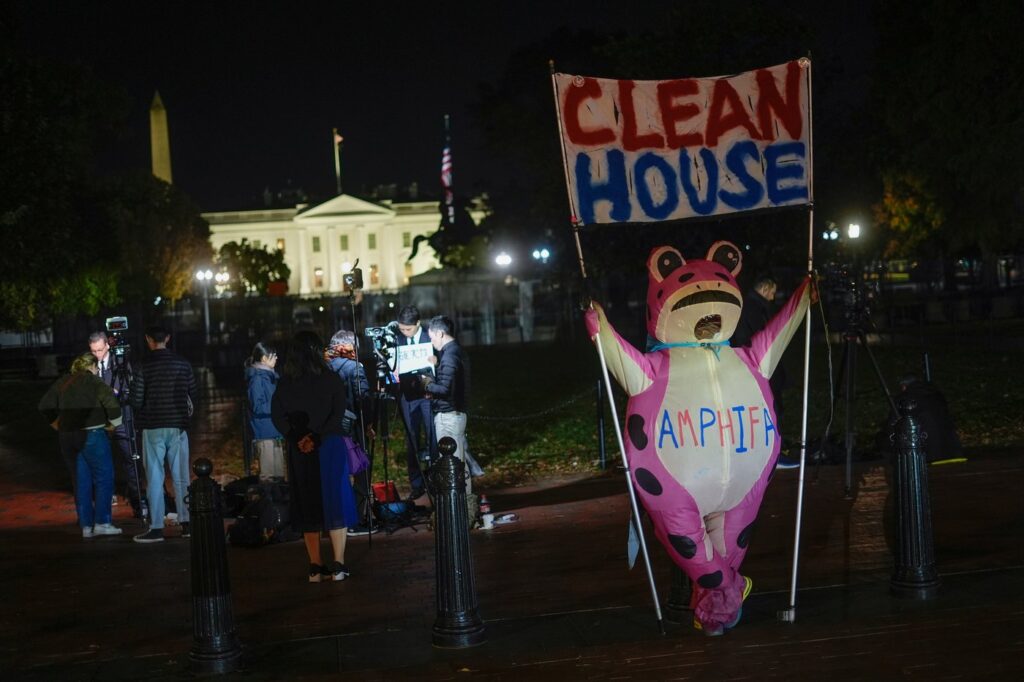
Government corruption emerged as a significant issue for more than half of voters, who indicated it was crucial in their voting decisions. This concern slightly surpassed that of living costs, highlighting a striking disconnect in voters' priorities. Despite some Republican claims that voters were indifferent to Trump's financial dealings, most perceived him as self-absorbed, with many tying his actions to an ongoing concern about government corruption.
Voters clearly expressed a desire for more vigorous congressional oversight. Approximately 70% felt that Congress was failing to provide sufficient checks and balances, including a notable 40% of Republicans who shared this sentiment. This reflects widespread frustration over Trump's unilateral actions during his presidency.
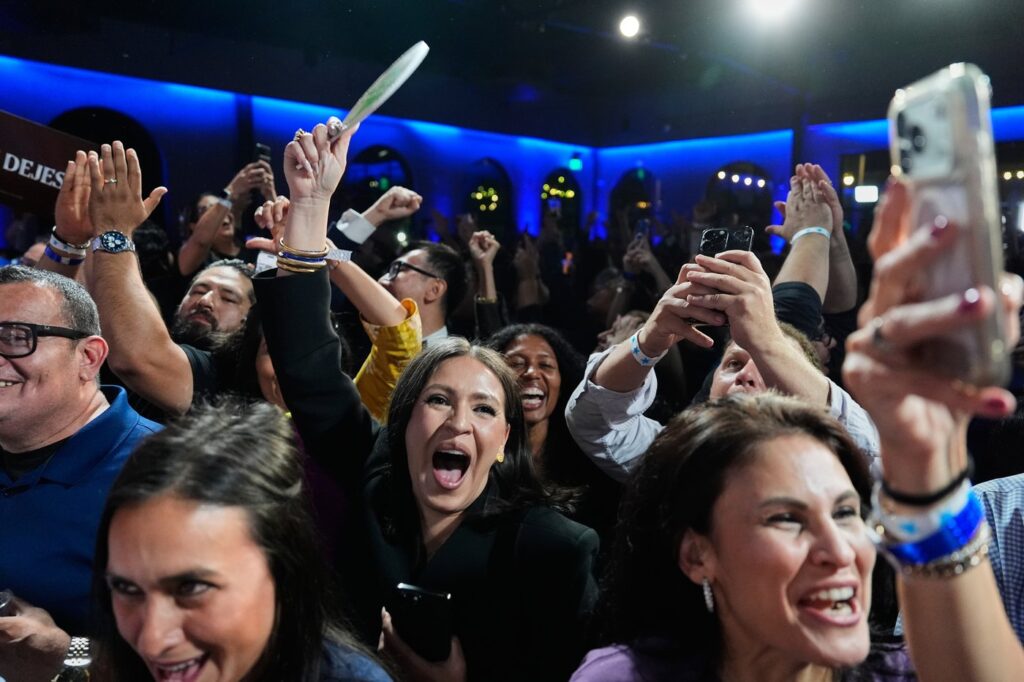
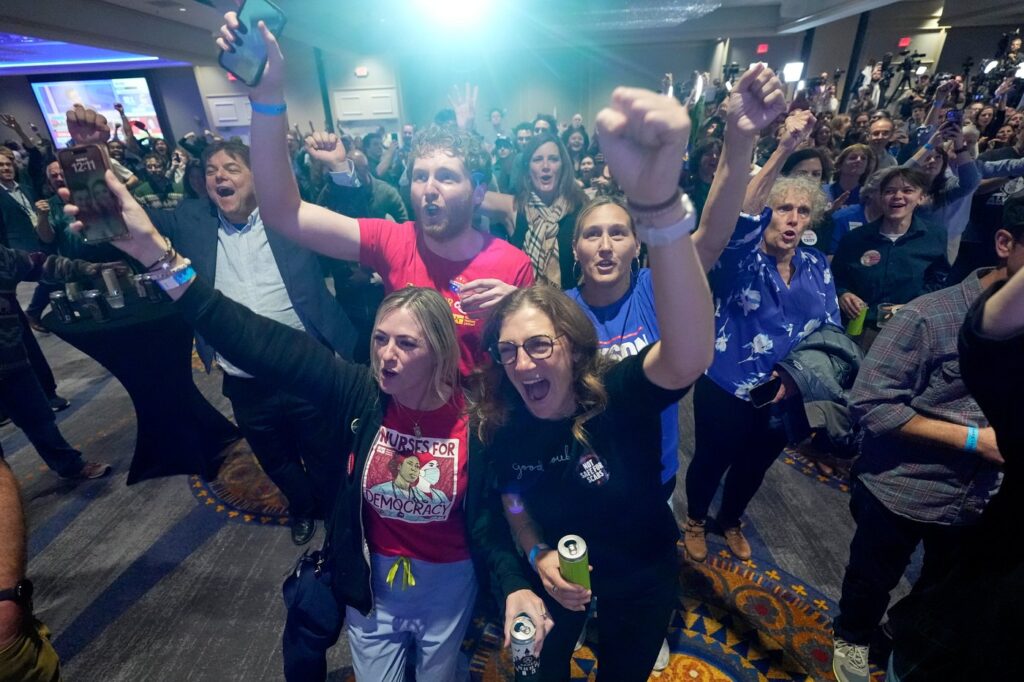
While Democrats achieved victories, many voters remain skeptical of the party itself. A significant portion indicated dissatisfaction with both parties, particularly on pressing issues such as the economy, healthcare, and taxes. Despite this, voters who were disenchanted with the existing political climate leaned towards Democrats in key races. In Maine, for example, many voters prioritized the need for change over candidates' experience, benefiting Democrat Troy Jackson over the incumbent Republican.
Trump's endorsements of candidates perceived as weak also jeopardized Republican strongholds. Following the death of South Carolina Senator Lindsey Graham, Trump chose Graham's sister, Darline, to fill the seat. Her subsequent struggles during the campaign highlighted her lack of experience, with about 60% of South Carolina voters expressing doubt about her capability. In Texas, Trump's backing of the state's scandal-prone attorney general, Ken Paxton, caused further issues for Republican candidates.
In North Carolina, approximately 60% of voters viewed the Republican nominee, Michael Whatley, as "too supportive" of Trump, leading to a preference for Democrat Roy Cooper instead. Ultimately, Trump's insistence on loyalty among candidates seemed to adversely affect Republican prospects across multiple states.
The AP Voter Poll was carried out by SSRS, encompassing a range of registered voters to determine their preferences and perspectives ahead of the midterm elections.