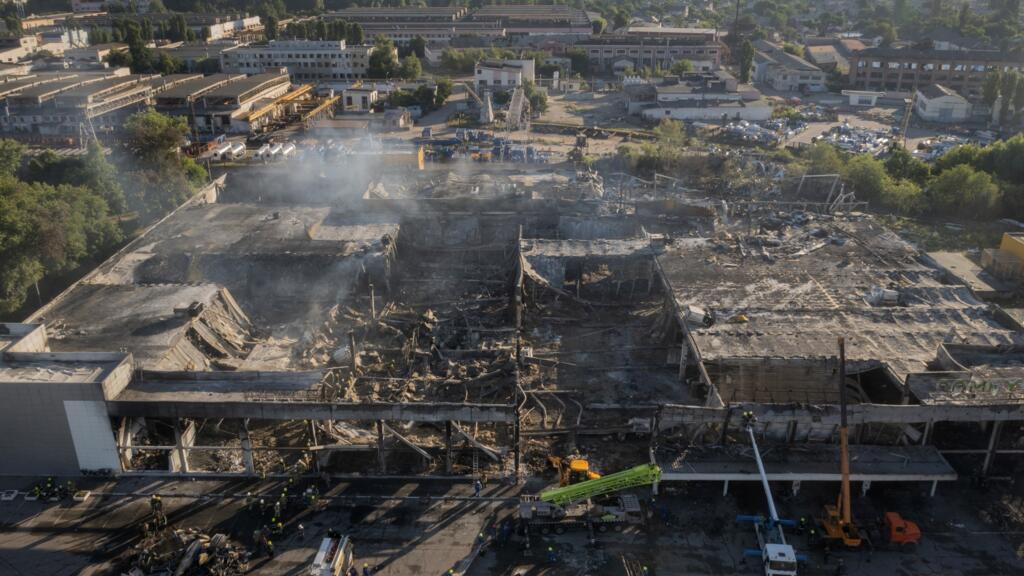
Russia launched a significant overnight assault on the industrial city of Kremenchuk, Ukraine, targeting essential water supply and heating infrastructure, as reported by Ukrainian officials on Sunday. This aggressive act underscores the ongoing tensions and military hostilities in the region, even as diplomatic efforts were underway.
The attack on Kremenchuk marks a troubling escalation in the conflict, as the city has been a critical hub for various industries, and the destruction of its infrastructure could severely impact the local population's living conditions. Vital public utilities such as water supply and heating are crucial, especially with winter approaching, and damage to these systems can lead to further humanitarian crises.
Notably, this assault was executed shortly after a Ukrainian delegation concluded three days of discussions with advisers to former U.S. President Donald Trump in Florida. The negotiations aimed to reach a potential agreement to end the war, highlighting the complexity of the situation where diplomatic and military actions occur concurrently. The timing of Russia's attack raises questions about the extent to which peace talks can progress amid ongoing violence.
The events in Kremenchuk illustrate the severe challenges facing both local residents and Ukrainian authorities. As bombardments continue, the threat to civilian life and infrastructure grows, exacerbating fears over safety and humanitarian conditions. Ukrainian officials have repeatedly condemned such attacks, viewing them as violations of international law and acts of aggression that hinder peace efforts.
In the current setting, Kremenchuk is not an isolated incident but part of a broader pattern of attacks that have persisted throughout the conflict. The continued military strikes reinforce the idea that the war is far from resolution, even as diplomatic channels remain open. The Ukrainian leadership faces the difficult task of addressing immediate security concerns while also navigating the complexities of international diplomacy.
As the situation develops, the international community watches closely, with many countries expressing solidarity with Ukraine and condemning Russia's military actions. The balance between military action and diplomatic negotiation remains precarious, and it is crucial for involved parties to gauge the implications of their decisions carefully. The tragedy of urban warfare, particularly in civilian areas such as Kremenchuk, poses ethical and humanitarian dilemmas that resonate beyond borders.
Overall, the developments in Kremenchuk are indicative of the deteriorating security landscape in Ukraine and the persistent volatility of the conflict. Continued international engagement and support for Ukraine may play a decisive role in shaping the outcome of both military and diplomatic efforts in the region moving forward.