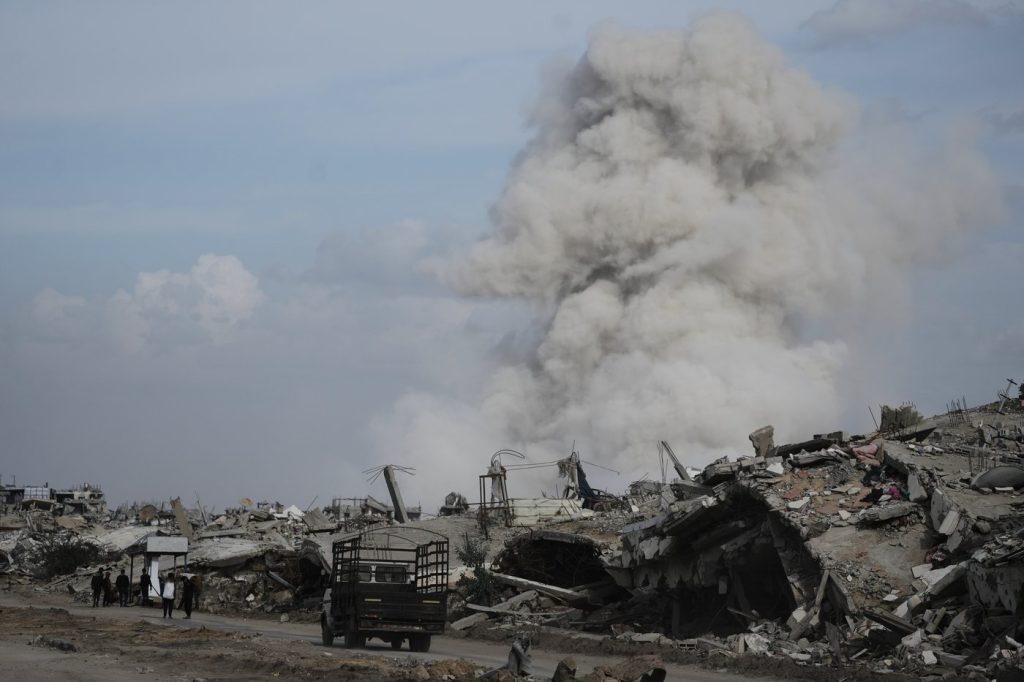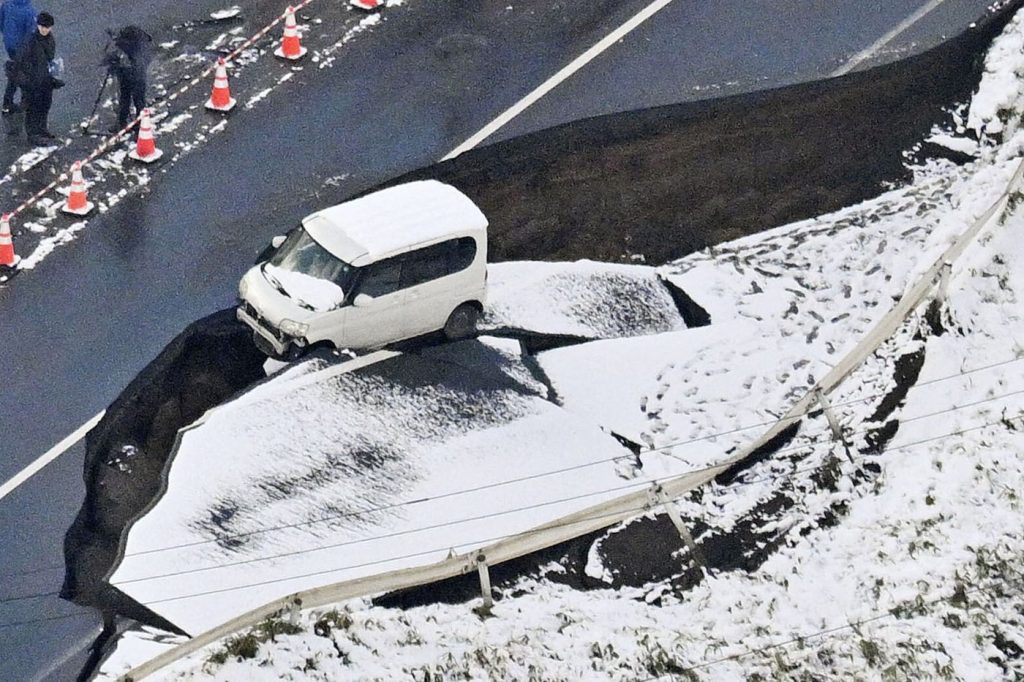
Recent headlines have been dominated by devastating earthquakes around the globe, with some incidents resulting in death tolls reaching into the hundreds and repair costs soaring into the millions. One of the latest earthquakes struck off the northern coast of Japan late Monday night, registering a significant magnitude of 7.6. Such powerful seismic events are increasingly causing concern regarding their frequency and the urgency for improved tracking technologies.
The impact of these earthquakes extends far beyond the immediate destruction they cause. Communities are displaced, infrastructure is severely damaged, and the economic burdens can be overwhelming. The situation in Japan is no exception. As details emerged about the latest earthquake, discussions were sparked among experts concerning the necessary advancements in earthquake monitoring and prediction.
Host Richard Southern took the opportunity to engage with Katsu Goda, an associate professor at the University of Western Ontario, to explore the adequacy of current earthquake tracking methods. The interview focused on whether we can expect to witness an increase in seismic activity and how technology might aid in predicting such natural disasters more accurately.
During the conversation, Professor Goda shared insights on the mechanisms behind earthquake occurrences and emphasized the need for enhanced observational tools. While advancements have been made in understanding tectonic movements, the unpredictability of earthquakes remains a critical concern for scientists and communities alike.
Professor Goda also remarked on the importance of preparedness. Even in regions with robust monitoring systems, the capacity to effectively respond to and manage the aftermath of earthquakes is essential. This includes not only technological advancements but also public education on safety measures that can save lives during seismic events.
The discussion highlighted the pressing need for international cooperation in seismic research. Earthquakes do not adhere to borders; thus, a global effort is necessary to share data and improve predictive capabilities. Global collaborations can lead to the development of more sophisticated models that can better forecast the potential for earthquakes in various regions.
Listeners were also encouraged to consider how personal experiences with natural disasters could translate into a collective understanding of their implications. The podcast not only aims to inform but also to prepare individuals and communities for the realities of living in seismically active regions.
In light of these recent events, it becomes crucial for policymakers to invest in infrastructure resilient to seismic activities. As climate change and human activities continue to reshape our planet, understanding and anticipating geological shifts is more important than ever.
For those interested in understanding more about the dynamics of earthquakes and what can be done to mitigate their impact, the full conversation with Katsu Goda is available on various podcast platforms, including Apple Podcasts and Spotify. The continued discourse on earthquake preparedness and tracking is vital for moving forward in these uncertain times.
In summary, as the world faces the challenges posed by increasing seismic activity, the importance of both technological advances and public education in earthquake preparedness cannot be overstated. By fostering a collaborative approach, we can enhance our ability to predict and respond to these natural disasters effectively.