President Donald Trump announced on December 10, 2025, that the United States has seized a large oil tanker off the coast of Venezuela amidst escalating tensions with President Nicolás Maduro's administration. The seizure of a merchant ship by U.S. forces is an uncommon action, reflecting the Trump administration's ongoing strategy to exert pressure on Maduro, who faces narcoterrorism charges in the United States.
The U.S. has significantly increased its military presence in the Caribbean region, launching a series of operations aimed at disrupting drug trafficking. Legislation and military operations have come under scrutiny from Congress, making the recent seizure a focal point of concern surrounding the administration's tactics.
Trump described the seized vessel, identified as the Skipper, as the "largest one ever seized," emphasizing that the action was taken for "a very good reason." Despite his comments, detailed information about the vessel and its contents was scarce. When queried about the fate of the oil on board, Trump stated, "Well, we keep it, I guess."
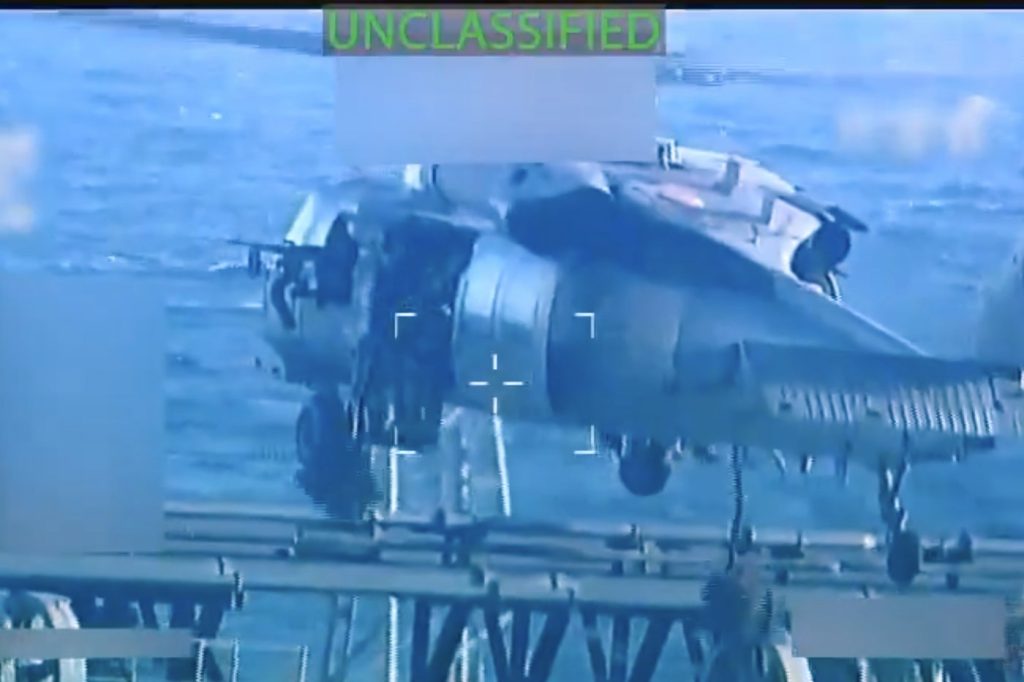
The U.S. Coast Guard spearheaded the operation, supported by the Navy, with personnel transported from the aircraft carrier USS Gerald R. Ford. This carrier recently arrived in the Caribbean as part of a show of force. The operation was executed under U.S. law enforcement authority, according to officials who spoke on condition of anonymity.
The Venezuelan government condemned the seizure, labeling it "blatant theft" and "an act of international piracy." Officials claimed that the seizure reveals the U.S.'s true intentions regarding Venezuela's natural resources, especially oil.
The seized tanker, which left Venezuela on December 2, carried approximately 2 million barrels of heavy crude oil, about half of which was tied to a Cuban oil importer. Previously dubbed the M/T Adisa, the vessel was sanctioned by the U.S. in 2022 due to links to a network allegedly involved in smuggling oil for foreign terrorist groups, including Iran's Revolutionary Guard and Hezbollah.
Venezuela, known for having the world's largest proven oil reserves, produces around 1 million barrels of oil daily. The state-run oil company, Petróleos de Venezuela S.A. (PDVSA), is crucial to the Venezuelan economy. Since the escalation of U.S. sanctions starting in 2020, the Maduro government has increasingly relied on a complex network of intermediaries to maintain its oil exports.
During a demonstration in Caracas, Maduro made defiant remarks without directly addressing the seizure. He emphasized Venezuela's readiness to confront the "North American empire" if necessary, asserting that U.S. military actions aimed to undermine his government.
Democratic Senator Chris Van Hollen expressed skepticism regarding the motives behind the tanker seizure, stating that it undermines the administration’s claims that military actions are focused solely on drug interdiction. He characterized the incident as evidence of a broader push for regime change in Venezuela.
Naval historian Vincent P. O'Hara described the seizure as "very unusual" and "provocative," suggesting that it may deter other vessels from approaching Venezuela's shores, thereby impacting the country's economy.
Shortly before the tanker seizure, the U.S. military conducted a high-profile flyover in the Gulf of Venezuela with fighter jets, further intensifying the situation. While Trump hinted at potential land assaults in the future, details remained undisclosed.
The ongoing operations against drug trafficking have garnered both domestic and international scrutiny, particularly in light of incidents resulting in civilian casualties. Lawmakers are pressing for transparency regarding military actions, including demands for unedited footage from recent strikes.
The situation continues to evolve, with the U.S. Coast Guard referring comments about the seizure to the White House, as the Trump administration faces increased scrutiny over its Venezuela strategy.