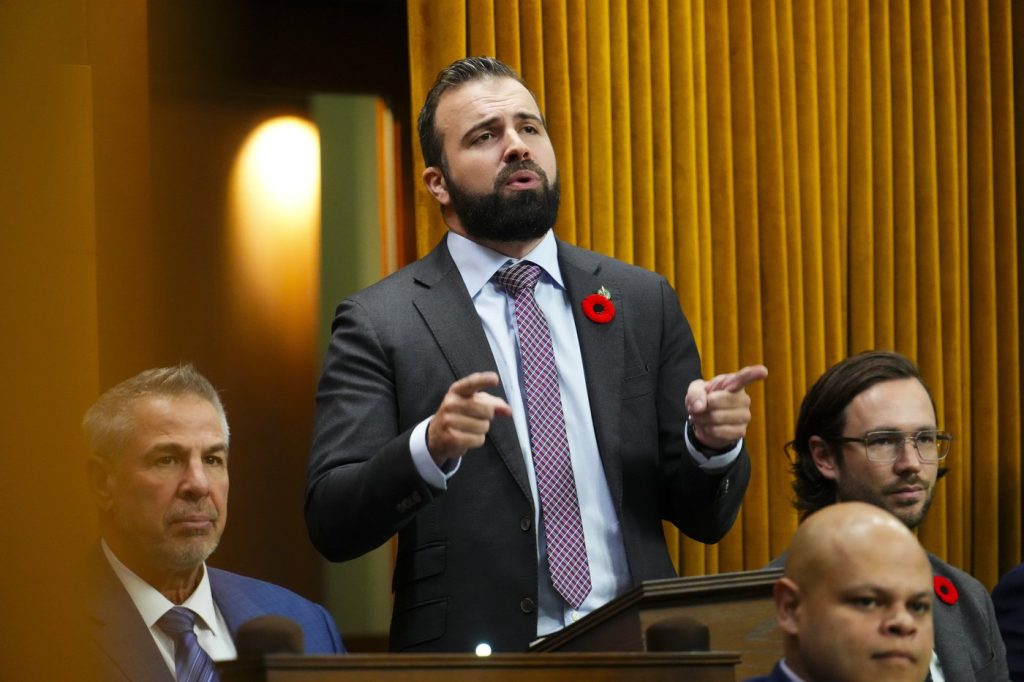
Vancouver Island MP Aaron Gunn announced that he will not be pursuing the leadership of the Conservative Party of British Columbia (B.C.) due to concerns about the potential implications for the federal government. Gunn, who represents the riding of North Island-Powell River, expressed that his departure could disrupt the current balance of power in Ottawa, particularly in a context where Prime Minister Mark Carney is allegedly trying to persuade Conservative MPs to switch allegiances.
In a video message shared on social media platform X, Gunn stated that the decision was one of the hardest he has ever made, especially given that many supporters had urged him to run for leadership. He emphasized that he believes he can better serve his constituents and all Canadians by remaining as MP. His announcement will undoubtedly have significant implications for the political landscape in B.C., especially as the provincial Conservatives seek new leadership amid a turbulent year.
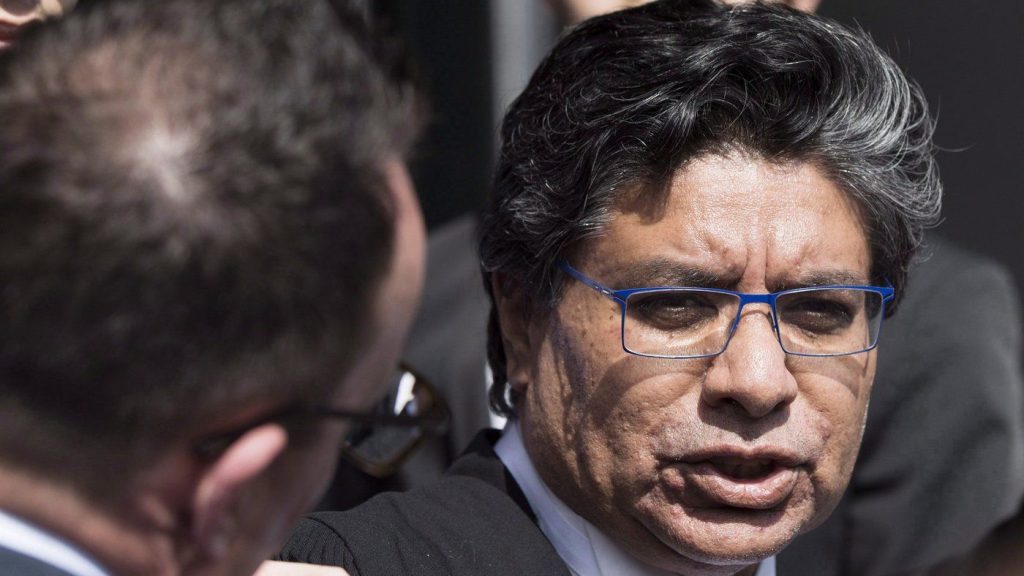
Many considered Gunn a prominent candidate to succeed John Rustad, who resigned on December 4, amidst considerable internal pressure within the caucus following Rustad’s near victory in the provincial elections last October. Gunn’s decision leaves an opening for other potential candidates, particularly within the party's populist and social conservative factions. Political analysts highlight Harman Bhangu as a likely contender representing this niche, particularly after Bhangu expressed his willingness to run if Gunn opted out.
Political experts like David Black, associate professor at Royal Roads University, and Stewart Prest, a lecturer at UBC, note that other names may emerge as candidates such as Iain Black, Peter Milobar, and former federal Conservative MP Kerry-Lynne Findlay. This suggests a divided field where moderates and populists within the party will be competing for leadership moving forward.
Gunn’s decision comes amidst recent controversies, notably criticisms regarding his past remarks on Indigenous issues. The First Nations Leadership Council previously called for the Conservative Party of Canada to reconsider Gunn’s candidacy due to his statements, which they described as "horrific and offensive." In response, current federal Conservative leader Pierre Poilievre publicly supported Gunn, commending his decision to continue fighting for a better British Columbia and Canada.
The future of the Conservative Party of B.C. now relies on reconciling varying viewpoints within the party, particularly between more moderate candidates and those representing the populist faction. Analysts suggest that until a moderate leader steps forward to unite these factions, a competitive race between figures like Bhangu and commentator Caroline Elliott for the more populist support is likely. Gunn has framed his decision within the context of pushing back against prevailing policies in B.C. that he believes are misaligned with public desires, positioning himself as a key voice in the evolving conservative narrative in the province.
In conclusion, Aaron Gunn’s choice to remain in federal politics instead of running for provincial leadership catalyzes a broader discussion concerning the direction of the Conservative Party of B.C. as it seeks to establish its identity and leadership amidst internal divides and external pressures.