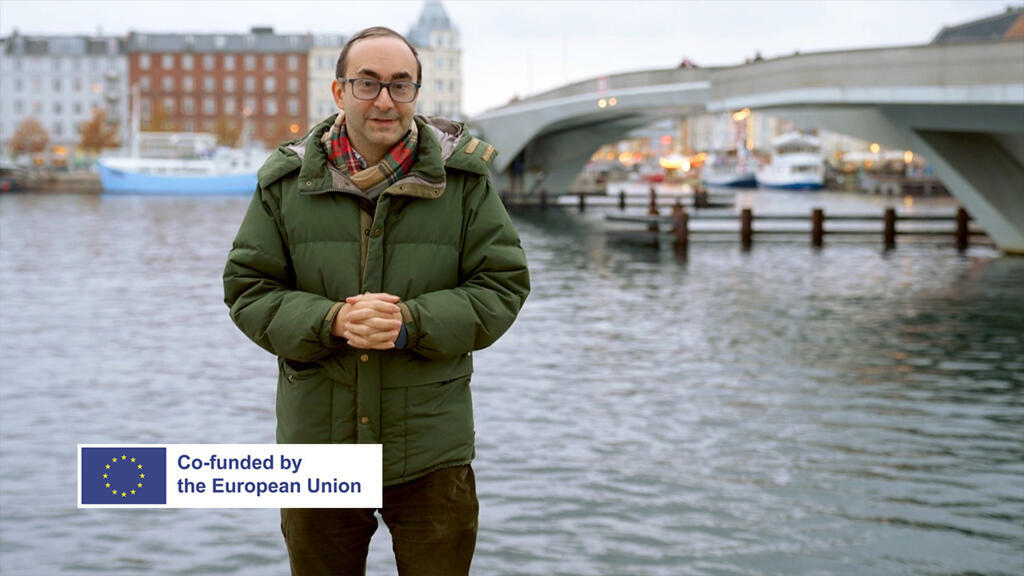
FRANCE 24 recently focused its cameras on Denmark, a Scandinavian country currently assuming the rotating presidency of the European Council from July to December 2023. This year, Denmark has positioned itself at the forefront of critical discussions within the European Union, particularly regarding pressing issues such as migration and energy transition. These topics, vital to the EU's future, were central to the discussions in the recent show, which examined Denmark's contributions and priorities during its presidency.
Defence Initiatives
One of the key areas of focus during Denmark's presidency has been national and regional security. The country has been actively involved in enhancing the EU's defence capabilities, especially amid rising geopolitical tensions. In response to the changing security landscape, Denmark is advocating for a more integrated approach to defence among EU member states. This initiative aims to bolster collective security and streamline military cooperation, ensuring that the EU can respond effectively to external threats.
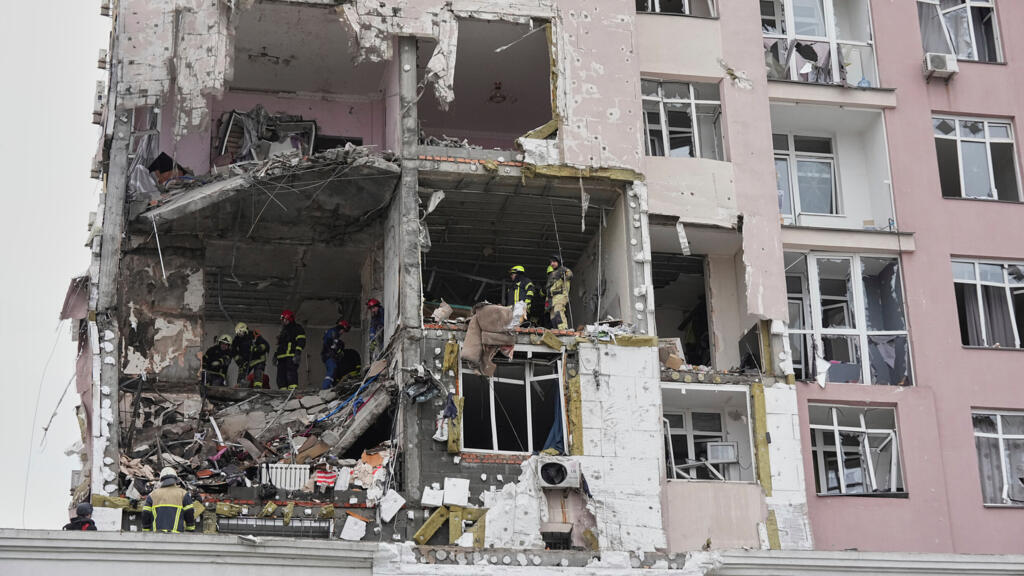
Denmark's emphasis on defence also aligns with broader global security concerns, especially in light of events in Eastern Europe and Middle Eastern conflicts. The Danish government is pushing for increased military spending among EU countries and promoting collaborative projects that can enhance the capabilities of European armed forces. These moves reflect Denmark's commitment to a united and prepared Europe, ready to address both immediate and long-term security challenges.
Migration Policy Challenges
Simultaneously, migration remains a contentious issue in Europe, and Denmark's approach under its presidency presents a balanced perspective of humanitarian responsibilities and national interests. With increasing numbers of migrants attempting to reach Europe, the Danish government has taken steps to manage incoming migration flows effectively. This includes negotiations on migration policies that ensure the fair distribution of asylum seekers across EU nations while also maintaining robust border controls.
Denmark has been pushing for a more pragmatic migration policy throughout its presidency. The focus is not only on limiting illegal border crossings but also on developing comprehensive strategies to address the root causes of migration. This includes enhancing cooperation with countries of origin and transit, which is vital for fostering stability and reducing the migratory pressures faced by European nations.
Furthermore, the Danish government emphasizes the importance of solidarity among EU countries in addressing migration challenges. It aims to foster a cooperative environment where nations share responsibility and resources, thereby alleviating the burden from countries disproportionately affected by incoming migrants.
Energy Transition and Environmental Priorities
In addition to defence and migration, Denmark has also been at the forefront of discussions surrounding the energy transition. As Europe grapples with the challenges of climate change and energy security, Denmark is advocating for sustainable practices and innovative solutions to transition towards greener energy sources. This initiative involves the promotion of renewable energy technologies, including wind and solar power, which are central to Denmark's energy strategy.
Denmark's commitment to reducing carbon emissions and fostering sustainable energy practices not only aims to combat climate change but also emphasizes the importance of energy independence. In light of the ongoing energy crisis exacerbated by geopolitical tensions, particularly with Russia, Denmark's efforts to lead in energy transition are seen as crucial for the stability of the EU's energy landscape.
Conclusion
Throughout its presidency, Denmark has managed to balance multiple priorities, focusing on defence, migration, and energy transition. By leading discussions on these vital topics, Denmark is shaping the future course of the European Union and addressing some of its most pressing challenges. As the country continues its presidency, the outcomes of these discussions will likely have long-lasting implications for Europe and its approach to a range of interconnected issues.