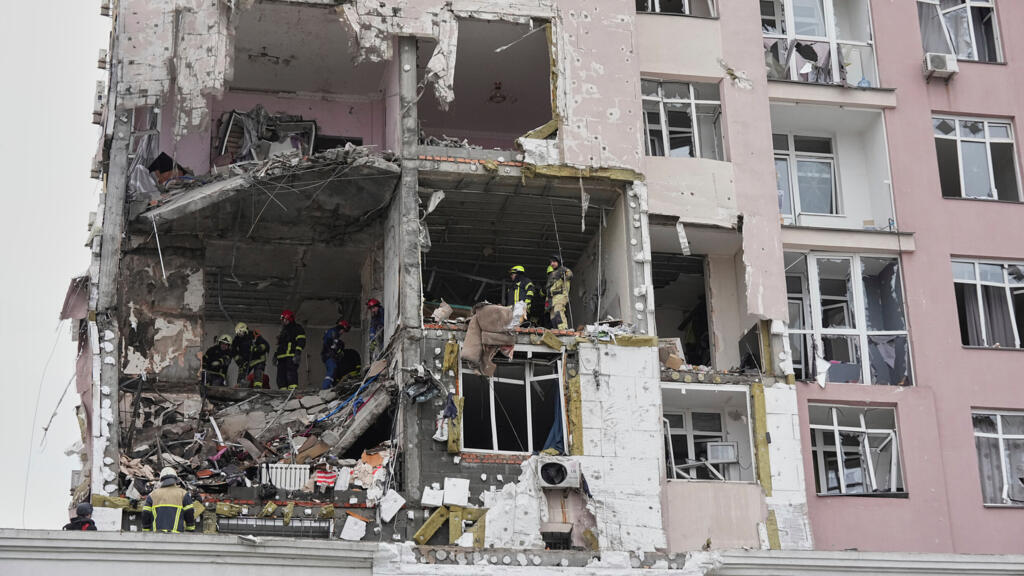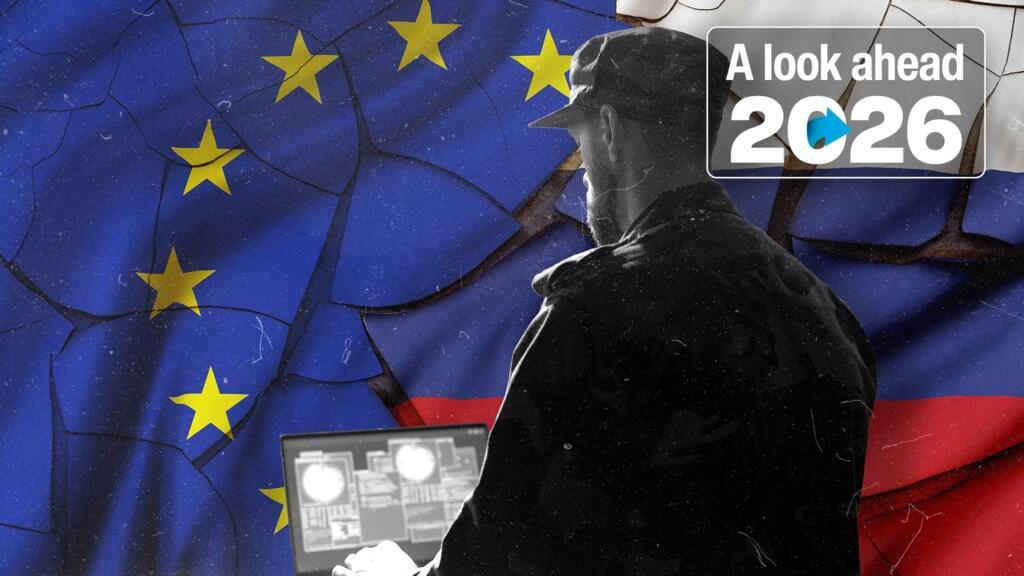
In 2025, hybrid-warfare operations emerged as a significant topic of discussion across European media, capturing attention with reports of sabotage, drone incursions, and assassination attempts. Although the total number of such incidents saw a reduction compared to the previous year, experts are left questioning whether this decline is indicative of a tactical pause by the Kremlin or a deliberate shift in strategy as the geopolitical landscape evolves heading into 2026.
The decrease in hybrid-warfare activities has been notable, with analysts suggesting that it may reflect a more calculated approach by Russian leadership. As tensions in Europe remain high, the Kremlin could be weighing its next moves carefully to avoid backlash while planning its future operations. This hypothesis posits that the Russians might be regrouping, reassessing past failures, and evaluating the effectiveness of their past strategies in light of changing circumstances.
On the other hand, some experts propose that instead of a pause, there may be a strategic pivot underway. The Russian government might be transitioning from overt acts of hybrid warfare to more covert forms of influence and subversion. This could include cyber operations, disinformation campaigns, or even attempting to forge new alliances in regions where their presence could weaken Western influence. Such tactics are less detectable and potentially more effective in achieving long-term objectives.
Throughout 2025, Europe witnessed a variety of incidents attributed to Russian hybrid tactics. While the overall incidents fell, specific events still raised alarm. For example, the use of drones for reconnaissance or small-scale attacks, as well as targeted assassinations aimed at key figures in certain countries, continued, albeit on a reduced scale. This has led to speculation about the Kremlin’s future operational plans and capabilities in hybrid warfare, and whether they might ramp up their activities as the 2026 calendar year approaches.
In terms of regional focus, nations that have been historically targeted by Russian hybrid tactics, such as Ukraine and the Baltic states, remain in a precarious position. The reduction in overt incidents does provide a moment of reprieve, but it also leads to uncertainties regarding the long-term intentions of Russian military and political strategy. Countries within NATO are keeping a close watch on these developments, assessing the potential for new threats as the geopolitical situation unfolds.
In conclusion, the drop in hybrid-warfare incidents throughout 2025 presents a double-edged sword for analysts and policymakers alike. It raises important questions about the future of Russian operations in Europe. Are these changes merely a tactical pause, or do they indicate a more nuanced strategy moving forward? The answer may not only affect the immediate security landscape in Europe but could also have far-reaching implications for global geopolitical dynamics as we move into 2026 and beyond.
```