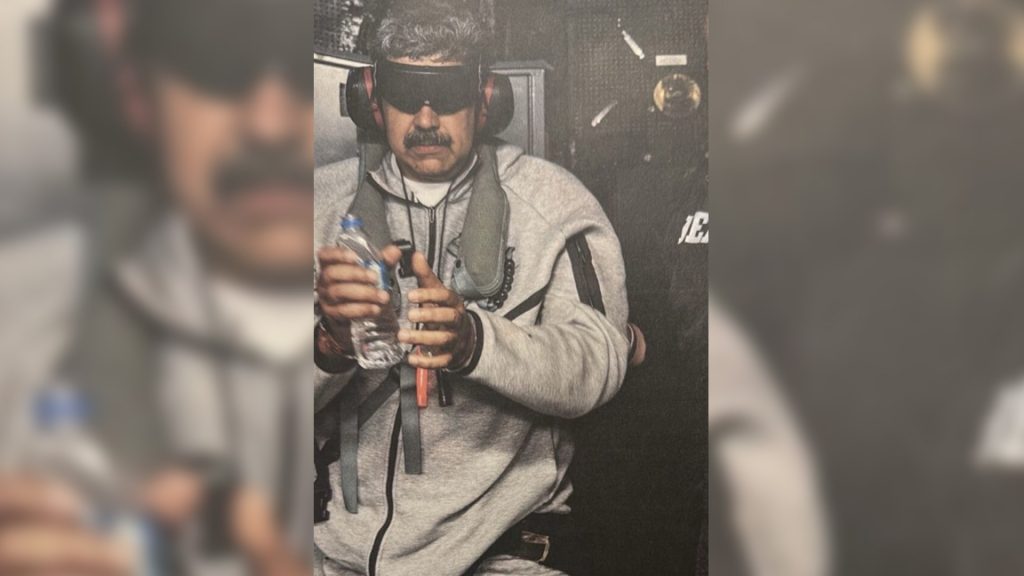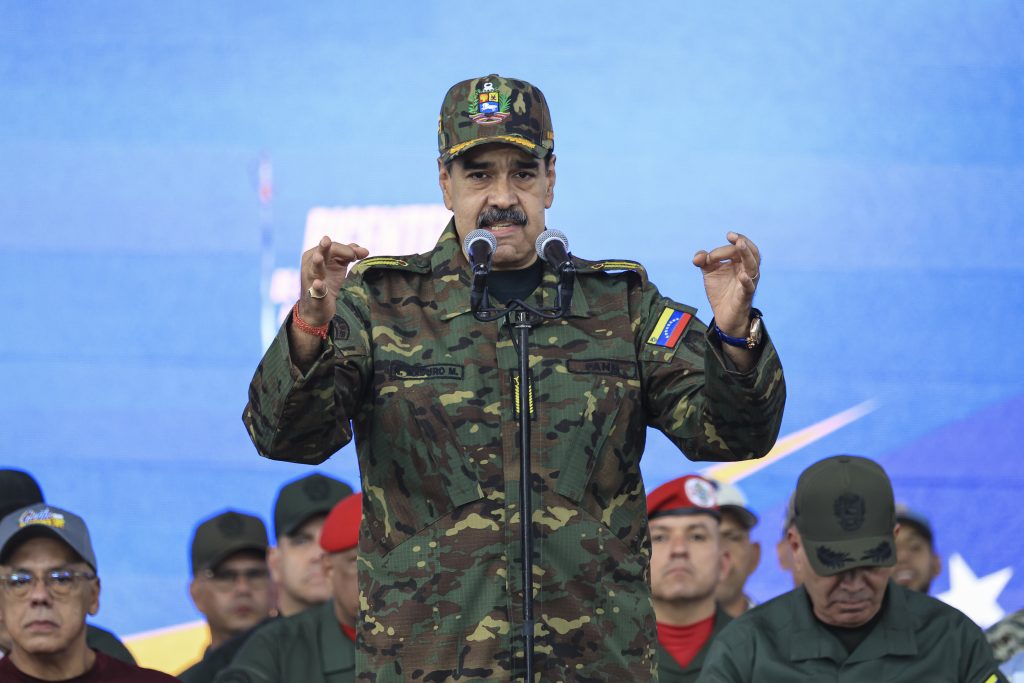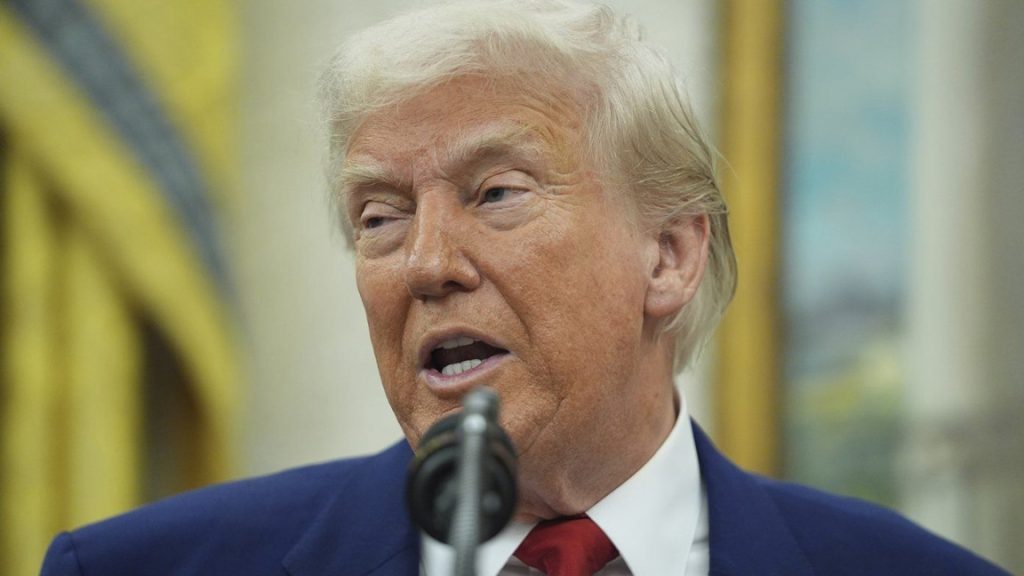
In a significant shift in foreign policy, President Donald Trump declared the U.S. military operation in Venezuela that resulted in the ousting of Nicolás Maduro a major success. Speaking at a news conference at his Mar-a-Lago resort in Florida, Trump emphasized the operation as a powerful demonstration of American military competence. He articulated a vague plan for his administration to "run" Venezuela temporarily until a stable transition of power can occur.
Despite the apparent success claimed by Trump, there were no visible signs of U.S. military presence on the ground in Caracas. The president’s brash confidence in projecting U.S. strength abroad has characterized his administration's foreign policy. Trump assured American taxpayers that any expenses incurred in the operation would be reimbursed through substantial oil revenues from Venezuela, promising that the country would be "great again."
While Trump's administration has committed to aiding Venezuela in achieving a period of peace and justice, challenges lie ahead. The White House is faced with the task of maintaining stability in a nation already grappling with hyperinflation, severe shortages of food and medicine, and significant emigration of professionals. The potential power vacuum created by Maduro's ouster could exacerbate these issues.
Furthermore, the implications of this operation extend beyond Venezuela itself. Global adversaries such as China and Russia are likely assessing Trump's demonstration of military might as they pursue their geopolitical ambitions in regions like Taiwan and Ukraine. Trump’s actions prompted concerns worldwide, as many adaptation efforts to a new global order under his leadership may now feel undermined.
European allies expressed apprehension regarding Trump's military build-up in the Caribbean and the subsequent strikes on drug smugglers believed to be linked to the Maduro government. The abrupt extradition of Maduro and his wife raised questions about the legality of the U.S. involvement and compliance with international law, as highlighted by statements from European Commission President António Costa and France's Foreign Minister Jean-Noël Barrot.
Criticism arose from various quarters, including statements from U.S. lawmakers and foreign officials condemning the operation as an "act of armed aggression." Sen. Ruben Gallego expressed his disapproval, stating the military action was an embarrassing shift from being a "world cop" to a "world bully." Russia's foreign ministry also denounced the U.S. operation, asserting Venezuela's right to self-determination without foreign intervention.
The military operation, described as the culmination of persistent pressure from within the Trump administration, was supported by figures such as Secretary of State Marco Rubio. In south Florida, where a significant Venezuelan diaspora opposes Maduro, the action was hailed as an era-changing event. Rubio asserted that the situation in Cuba should be reconsidered in light of these developments.
Although Maduro reportedly sought a way to exit power while preserving his position, the U.S. rejected his proposed transition plan, questioning the legitimacy of his rule. Trump noted that Maduro had declined opportunities to surrender. He reiterated the administration's commitment to remaining heavily involved in Venezuela, insisting on professional governance of the nation's significant oil reserves.
Venezuelan opposition figures believe that Edmundo González, an ally of opposition leader Maria Corina Machado, should lead the country. However, Trump indicated he was not prepared to endorse a specific leader yet, emphasizing the importance of U.S. involvement in preventing a continuation of Maduro's legacy.
As this situation unfolds, the international community watches closely, weighing the implications of U.S. military intervention and its potential impacts not only on Venezuela but on broader global dynamics.