HAVANA (AP) — An American military operation in Venezuela over the weekend resulted in the death of 32 Cuban officers, marking the first official death toll reported by the Cuban government. The operation, which involved U.S. strikes, targeted the South American nation amid ongoing tensions surrounding the leadership of Venezuelan President Nicolás Maduro.
The Cuban military and police personnel were engaged in missions at the request of the Venezuelan government, according to a statement broadcasted on Cuban state television Sunday night. Although the specific activities of the Cuban forces in Venezuela remain unclear, Cuba has a long-standing history of providing military and police assistance to support Maduro's regime.
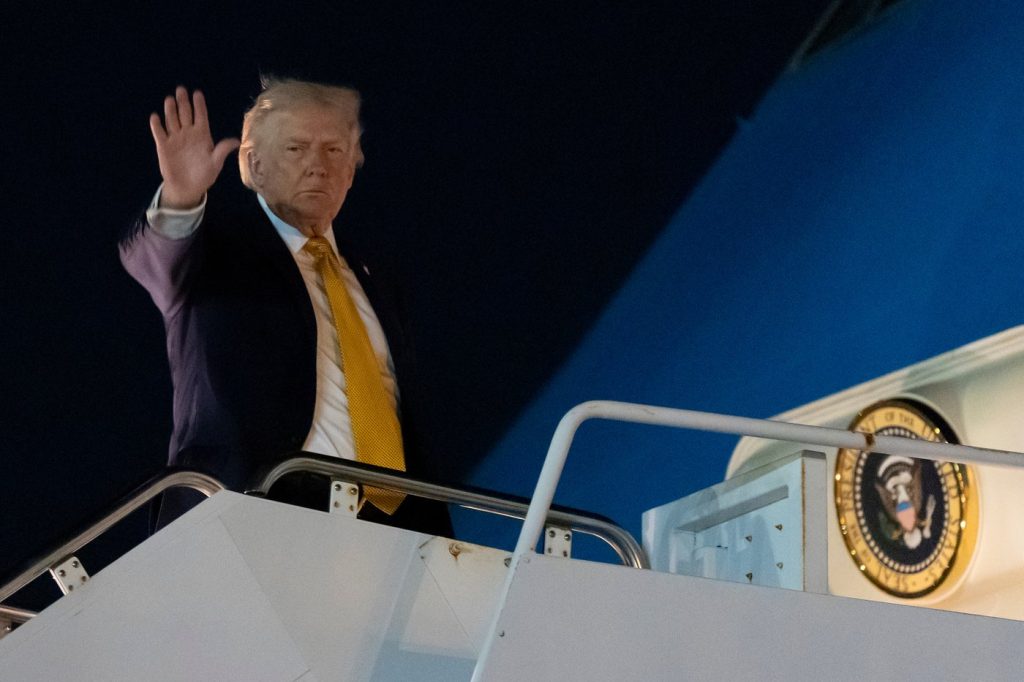
During a flight from Florida back to Washington, U.S. President Donald Trump acknowledged the high casualty count on the Cuban side. "You know, a lot of Cubans were killed yesterday," Trump stated to reporters. He emphasized, "There was a lot of death on the other side. No death on our side." This comment highlights the U.S. government's perspective on the operation and its implications.
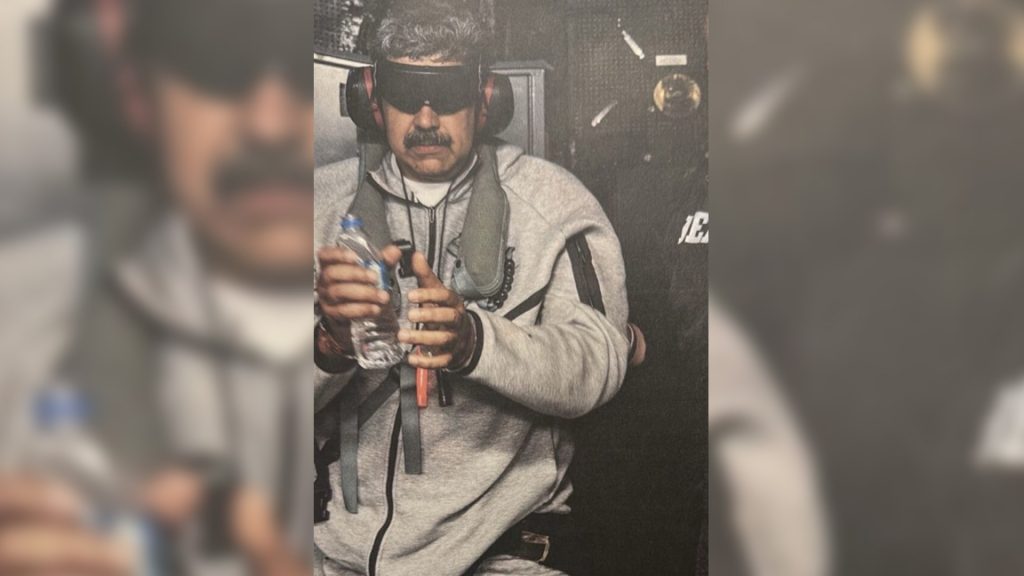
The U.S. military operation carried out on Saturday led to the capture of Nicolás Maduro and his wife, who are to face prosecution on charges related to a narco-terrorism conspiracy. This provocative action has heightened international scrutiny regarding U.S. involvement in Latin America and its consequences for regional stability.
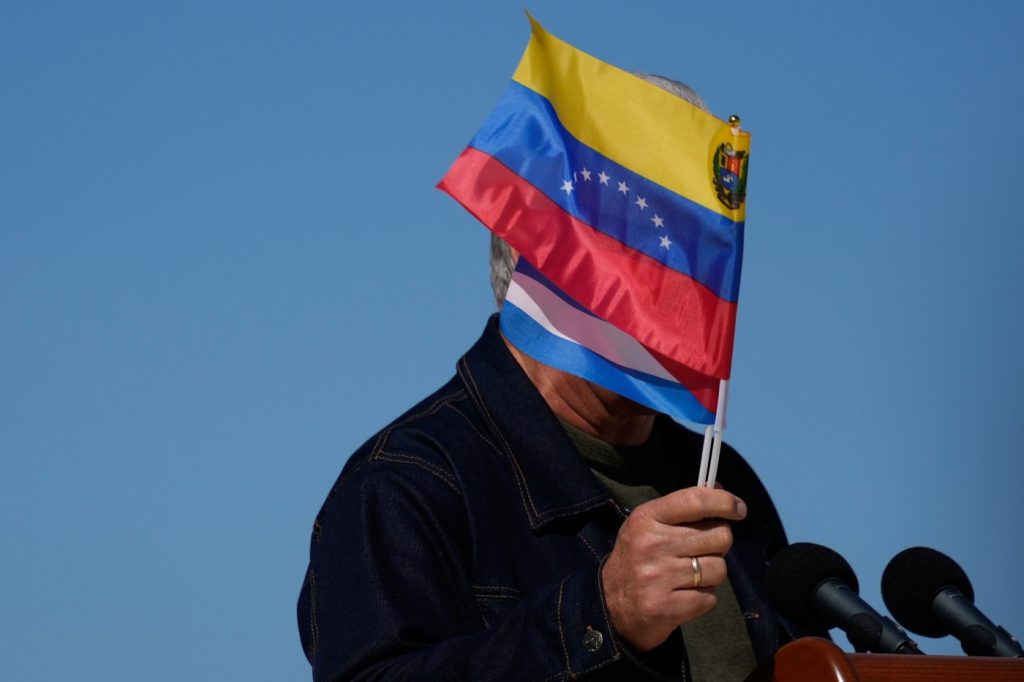
While the Venezuelan government has acknowledged that fatalities occurred during the U.S. strikes, it has refrained from providing a specific number to the media. In response to the tragic loss of their officers, the Cuban government declared two days of mourning. Prominent figures, including former President Raúl Castro and the current President Miguel Díaz-Canel, extended their condolences to the families of the deceased. However, the Cuban authorities have not disclosed the names or ranks of the victims yet.
An official statement from the Cuban government described the fallen officers as having acted "faithful to their responsibilities for security and defense," asserting that they "fulfilled their duty with dignity and heroism." It further noted that they lost their lives either in direct combat against U.S. forces or as a consequence of bombing operations targeting military facilities.
U.S. Secretary of State Marco Rubio, who has Cuban heritage, also pointed out the involvement of Cuban personnel supporting Maduro's regime. Rubio remarked on the vital role that Cuban agents play in Venezuela, stating, "All the guards that help protect Maduro—this is well known—all their whole spy agency is full of Cubans." This highlights the extent of Cuba's influence within Venezuelan security structures and the potential implications for bilateral relations.
As the situation unfolds, it remains crucial to monitor the regional ramifications of the U.S. operations in Venezuela and the ongoing dynamics between Cuba, Venezuela, and the United States. The conflict not only underscores the complexities of the Venezuelan crisis but also the potential for a broader geopolitical confrontation involving Cuba and U.S. interests in Latin America.