At least 24 Venezuelan security officers were killed in a U.S. military operation aimed at capturing Nicolás Maduro, the President of Venezuela, according to officials. The operation took place in the early hours of a weekend raid in Caracas, with the intention of bringing Maduro to the United States to face drug charges. Venezuelan Attorney General Tarek William Saab stated that many officers and civilians lost their lives during the strike and declared that this incident would be investigated as a potential war crime, though he did not specify the number of Venezuelans in question.
In addition to Venezuelan losses, the Cuban government acknowledged that 32 of its military and police personnel, stationed in Venezuela, were also killed in the raid. They belonged to the Revolutionary Armed Forces and the Ministry of the Interior, two key security bodies in Cuba. Stephen Miller, deputy chief of staff at the White House, asserted that U.S. officials believe the Cuban government is underreporting the actual number of fatalities among its personnel.
While the U.S. acknowledged that some of the nearly 200 American forces involved in the operation were injured, there were no American casualties reported. Speculation about the injuries was not addressed by the Pentagon despite numerous requests for information. A video tribute by the Venezuelan military showcased the slain officers, accompanied by patriotic imagery and music, as Caracas residents participated in government-led demonstrations supporting Maduro.
Political Reactions
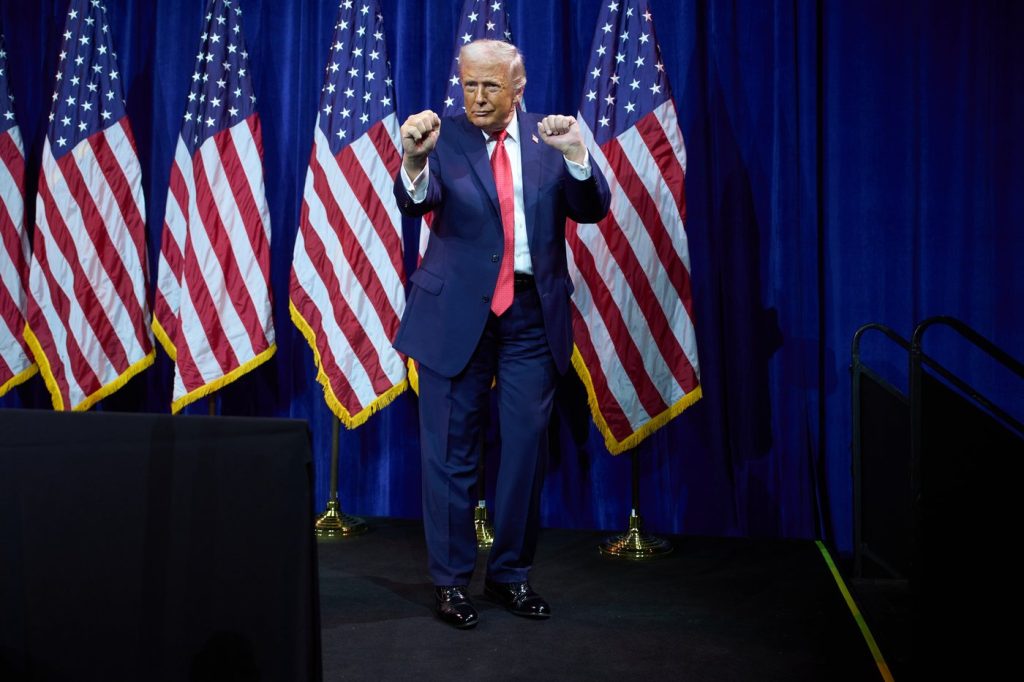
President Donald Trump reacted to Democratic criticism regarding the military operation, emphasizing that former President Joe Biden had also supported the idea of arresting Maduro for drug trafficking. Trump's comments were made during a House Republican retreat in Washington, expressing frustration over the lack of acknowledgment from Democrats about the military operation's success. He referenced bipartisan views that Maduro is not the legitimate leader of Venezuela and highlighted the arrest warrant for Maduro issued in 2020.
Moreover, Trump reiterated that the rewards for information leading to Maduro’s arrest had been significantly increased during his administration. He remarked, “You know, at some point, they should say, ‘You did a great job. Thank you. Congratulations.’ Wouldn’t it be good?” This commentary came following a briefing with Congress leaders where concerns were raised about the Trump administration's agenda for Venezuela, signaling possible new U.S. expansionist policies in the region.
Democratic officials, including Senator Tammy Duckworth, acknowledged the brutality of Maduro's regime but questioned the trajectory of U.S. involvement, highlighting the absence of strategic “off-ramps” from military engagement.
U.S. Public Opinion
Polls conducted by The Washington Post and SSRS indicate a divided American public regarding the U.S. military operation. About 40% of respondents supported the military effort to capture Maduro, while a similar percentage opposed it, and 20% were uncertain. However, nearly half of Americans, approximately 45%, expressed disapproval of the U.S. taking control of Venezuela and enforcing a new government, stating that the Venezuelan populace should decide their leadership.
Maduro has pleaded not guilty to federal drug trafficking charges following his capture and subsequent appearance in a U.S. courtroom. In the wake of the operation, while Trump and administration officials raised concerns that it could signify a shift towards more aggressive U.S. foreign policy in the Western Hemisphere, Maduro's deputy, Delcy Rodriguez, assumed the role of acting president of Venezuela.
International Reactions
Colombian Foreign Affairs Minister Rosa Villavicencio revealed plans to present a formal complaint to the U.S. Embassy concerning threats made by Trump regarding military action against Colombia. This tension emerged after Trump described Colombia's president in derogatory terms and suggested military responses due to the country's involvement in drug trafficking. Furthermore, leaders from several European nations reaffirmed Greenland's sovereignty, rejecting any claims from the United States to acquire the territory.
Both U.S. and international reactions underline the complexities and potential ramifications of the operation, indicating a pivotal moment in U.S.-Venezuelan relations and global geopolitical dynamics.