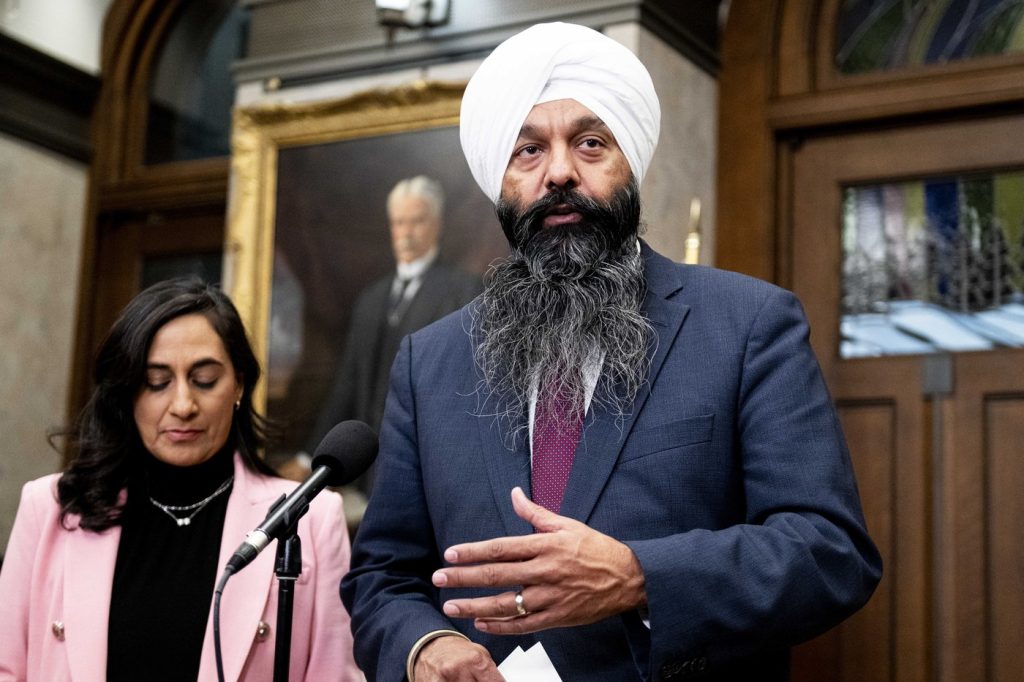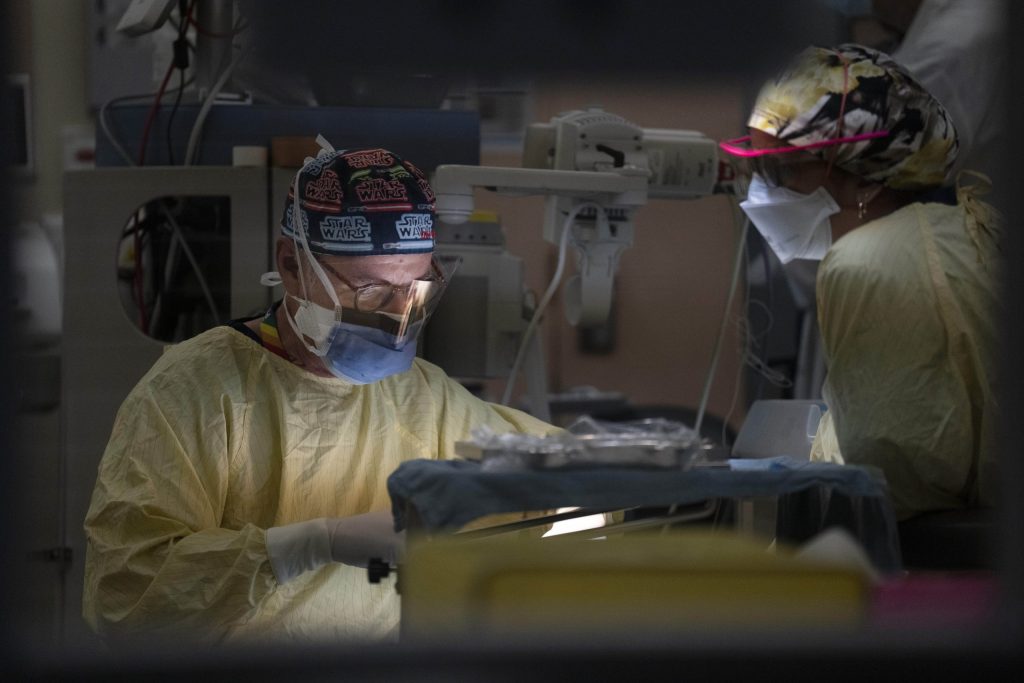
A recent cohort study involving over one million patients in Ontario revealed that individuals from disadvantaged neighborhoods face a higher risk of mortality within 30 days post-elective surgery compared to their counterparts from wealthier areas. The research, conducted from 2017 to 2023, highlights persistent health inequalities linked to socioeconomic status, as noted by Sandy Torres, a sociologist affiliated with the Quebec Observatory on Inequality.
Torres cited the findings as unsurprising, given the consistent association observed between poverty and increased mortality rates, as well as the heightened risk of hospitalization and other health complications. Although the study specifically analyzed Ontario patients, Torres emphasized that similar issues likely exist in Quebec, referencing the numerous individuals living in precarious conditions in the province. “The inequalities are more pronounced in Ontario, but I believe the situation remains similar in Quebec,” she stated.
The study was published in the medical journal Jama and indicates that nearly two percent of patients continue to die within 30 days of undergoing surgery—a figure that has remained unchanged over the past decade. Earlier research focused on private, for-profit healthcare systems had suggested that social determinants of health significantly influence postoperative outcomes, but previous data regarding universal healthcare systems, like Canada's, had been limited.
Analysis from the Ontario study revealed that patients from poorer neighborhoods exhibited a 52 percent higher risk of death within 30 days of surgery compared to those from affluent areas. Torres remarked that the quantification of this association was an important contribution of the study, highlighting the necessity for data to understand the issue better.
Even after adjusting for known comorbidities—such as cancer, heart failure, diabetes, and hypertension—as well as demographic factors, hospital variables, and the complexity of surgical procedures, the connection between socioeconomic disadvantage and increased mortality persisted. Despite the theoretically accessible nature of surgical care in Canada’s universal healthcare system, Torres argued that social determinants heavily influence access to health services, particularly planned surgeries.
Torres elaborated on how individuals in material and social disadvantage often experience delays in seeking medical care, sometimes only reaching out when health issues have escalated. External factors, such as job constraints that limit time off for medical appointments and the pressure to meet basic living costs, hinder access to healthcare for those in disadvantaged situations.
The Quebec Observatory of Inequalities underlined that lower-income individuals frequently struggle to fulfill basic needs such as food and shelter, rendering them vulnerable to nutritional deficiencies and health issues. Moreover, stress associated with poverty can exacerbate mental health problems and lead to a detrimental cycle of health disparities.
To improve postoperative outcomes, the study suggests that addressing the underlying disparities rooted in social determinants of health is crucial. If there were one immediate priority for addressing this issue, Torres recommended enhancing support for individuals to meet their basic necessities. This could encompass increased financial aid as well as neighborhood improvements to foster self-sufficiency, enabling access to sufficient quality food, decent housing, and necessary healthcare. "Basic needs include participating in social life and engaging in leisure activities,” she added, emphasizing the overall well-being of individuals.
While acknowledging that solutions will not yield instant results, Torres affirmed that recognizing and tackling the multifactorial causes of health issues—including social inequalities—is essential for fostering healthier communities in the long run.