On Thursday morning, Iran escalated its military actions, targeting U.S. and Israeli bases as part of a broader regional conflict that erupted last Saturday. The escalation follows threats from the Iranian Revolutionary Guard, vowing to dismantle military and economic infrastructures across the region. This military surge came after intensified U.S. and Israeli bombardments, which allegedly included the sinking of an Iranian warship by a U.S. Navy submarine in the Indian Ocean.
Israel reported missile attacks, with air sirens activated in major cities such as Tel Aviv and Jerusalem. Iranian state media confirmed additional strikes aimed at U.S. bases. The Israeli military retaliated with targeted airstrikes in Beirut, specifically targeting the Iranian-backed Hezbollah militant group.
The conflict commenced on Saturday, with the primary focus on neutralizing Iran’s leadership, missile capabilities, and nuclear ambitions. U.S. President Donald Trump and congressional Republicans voiced support for military actions against Iran, voting against a resolution to cease hostilities.
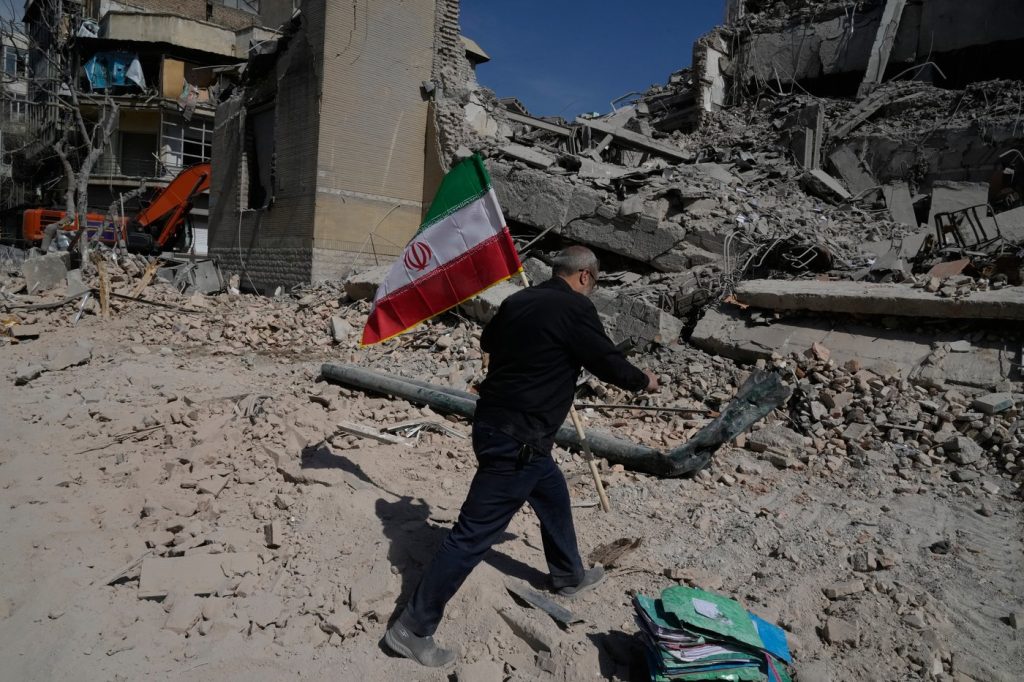
The conflict has extended its impact beyond military operations, resulting in significant civilian casualties—over 1,000 in Iran, more than 70 in Lebanon, and around a dozen in Israel, according to official reports. The war has critically disrupted global oil and gas supplies, adversely affecting international shipping and stranding travelers across the Middle East.
As tensions surged, countries in the Middle East took precautionary measures. Qatar's Interior Ministry announced evacuations near the U.S. Embassy in Doha. Reports indicated intensified aerial activity in cities like Dubai, while Saudi Arabia intercepted an Iranian drone near its borders with Jordan.
A fresh incident off Kuwait’s coast raised alarm over maritime security; an explosion was reported, with indications it involved an attack on a tanker. Previous assaults had occurred in the Gulf of Oman and the strategically vital Strait of Hormuz, around which about 20% of the world’s oil trade navigates. As a direct consequence, Brent crude prices surged by 15% since the conflict's inception, marking the highest levels since July 2024.
U.S. Defense Secretary Pete Hegseth stated that an American submarine sank an Iranian warship on Tuesday, with reports of 32 crew members rescued and numerous bodies recovered. Concurrently, Israel conducted strikes targeting facilities linked to Iran's internal security command and the paramilitary Basij force, responsible for previous crackdowns on protests.
Despite the military offensives, Iranian officials have claimed that their military operational structure is decentralized, potentially mitigating the impact of U.S. and Israeli attacks on command centers. The timeline for American military operations remains vague, with Hegseth noting a possible duration of “four to six weeks or longer,” indicating that operations would continue until objectives are secured.
As the situation deteriorated, Israel’s Homefront Command updated its security protocols, allowing workplaces to reopen under certain conditions while schools remained closed due to the ongoing threat from Iranian missile strikes. Early Thursday, explosions were reported within Israel as defensive systems engaged multiple waves of Iranian missile attacks.
Amid heightened violence, over 1,000 casualties in Iran were reported by the Foundation of Martyrs and Veterans Affairs, including fatalities in Israel and Lebanon. Recent drone strikes in Beirut’s southern suburbs aimed at Hezbollah resulted in multiple deaths and injuries, further entrenching the cycle of violence.
Israel’s Defense Minister, Israel Katz, revealed that the offensive against Iran had initially been planned for 2026 but was accelerated due to changing circumstances, including internal unrest in Iran and shifting U.S. foreign policy. The ongoing protests within Iran have increased external pressures on its regime, leading to concerns about Tehran’s aggressive posture in the region.
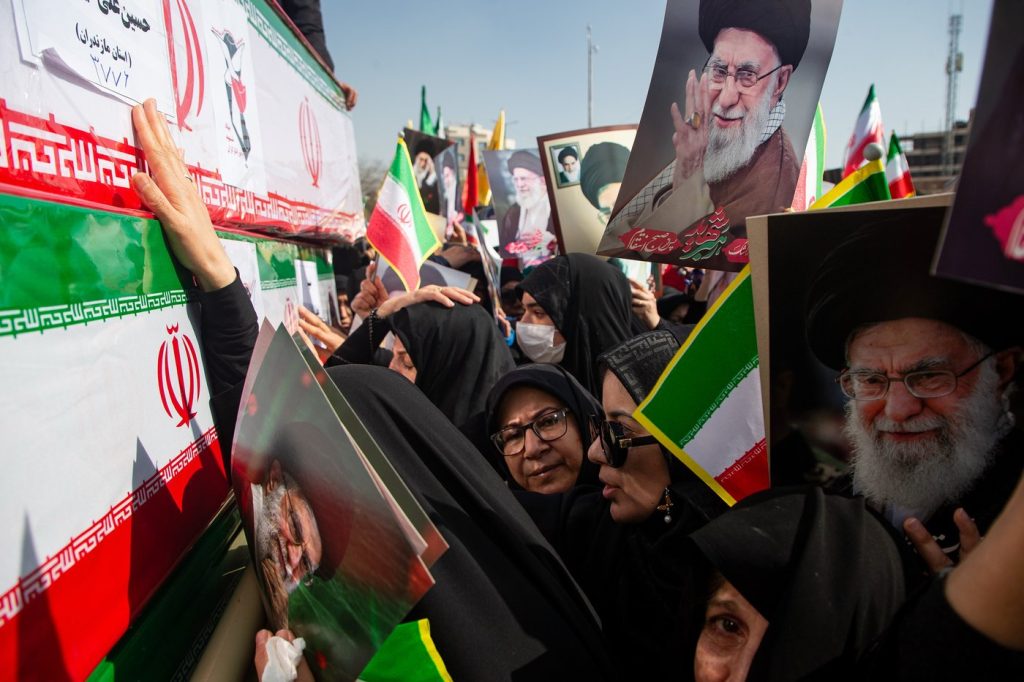
Following the death of Supreme Leader Ayatollah Ali Khamenei, Iranian leadership is grappling with succession issues, with potential candidates ranging from hard-liners to reformists. The implications of the leadership transition could significantly affect Iran's future foreign policy and relations with the West. Katz stressed that Iran's next supreme leader would likewise be a target if aggressive threats against Israel persisted.