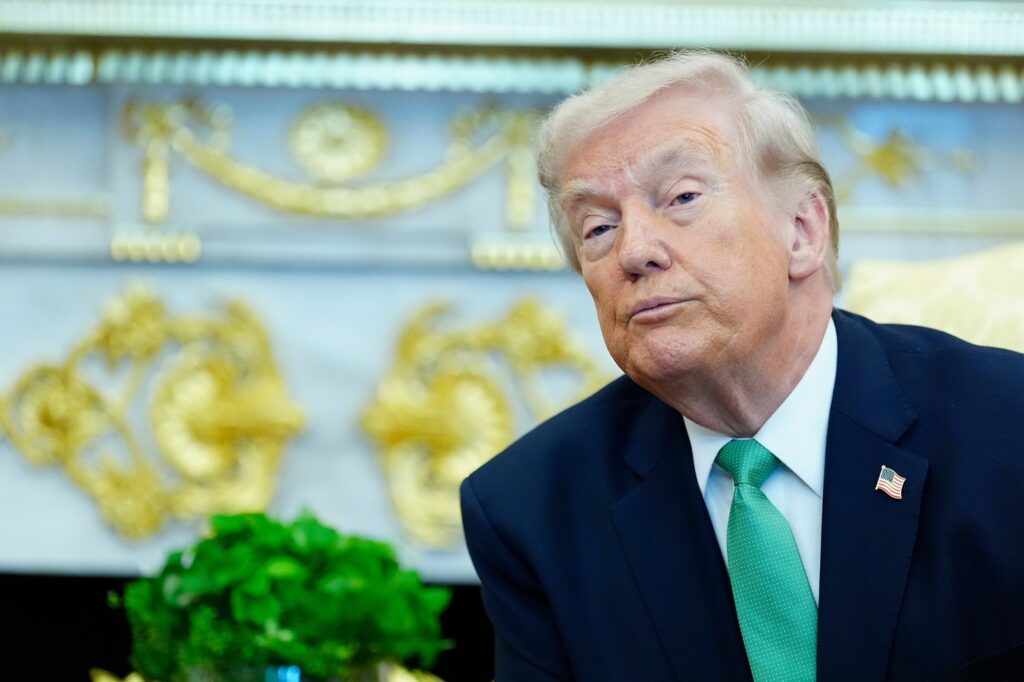
HAVANA (AP) - U.S. President Donald Trump has announced that action against Cuba's socialist government is imminent as he leverages his administration's recent sanctions to exert pressure on the island, which is facing a deepening crisis. This comes on the heels of Trump's sanctions against Venezuela, which included a halt to crucial oil exports to Cuba. As a result, Cuba experienced a nationwide blackout that intensified its already precarious situation. Both Trump and Secretary of State Marco Rubio view Cuba as the next target for expanding U.S. influence.
“Cuba right now is in very bad shape,” Trump remarked, indicating that the U.S. administration is closely monitoring the situation. “And we’ll be doing something with Cuba very soon,” he added, suggesting that significant changes may be on the horizon. Recent military actions by the Trump administration in Venezuela and U.S. military strikes against Iran frame the backdrop of this commitment to intervene in Cuba.
According to a U.S. official acquainted with the discussions between Washington and Havana, the Trump administration is hopeful for a change in leadership, specifically looking for President Miguel Díaz-Canel to step down. There has been no indication of whom the U.S. would prefer to succeed him. Many Cubans believe that Díaz-Canel lacks real power compared to the influential revolutionary figure Raúl Castro and his lineage.
Experts are closely examining the unfolding narrative, given the limited reliable information from both Havana and Washington. Michael Bustamante, a Cuba expert and associate professor at the University of Miami, commented, “Some pieces of this story as they’re trickling out don’t add up to me. I can’t quite figure out what the end game is here for either side.” Meanwhile, Rubio critiqued Cuba’s economy, stating that it is fundamentally flawed and that the current government is unable to resolve its problems.
On the ground in Cuba, while electricity was gradually being restored to hospitals and some homes on Tuesday, officials warned that the faltering power network might collapse again. The Cuban government attributes its struggles to a U.S. energy blockade that has intensified following Trump's warnings in January regarding tariffs against any nation providing oil to Cuba.
Rubio stressed that any proposed changes by the Cuban government are insufficient, indicating that a more profound transformation is necessary for relief. The Trump administration's demands include Cuba's release of political prisoners and a movement toward political and economic liberalization in exchange for the lifting of sanctions. Trump has even suggested the possibility of a “friendly takeover” of Cuba.
Cuba produces around 40% of its petroleum, but its aging electric grid has been inadequate to meet the island's needs, leading to ongoing blackouts. The Ministry of Energy and Mines reported some progress in restoring the electrical system in various locations, including the western town of Pinar del Río and the southeastern province of Holguín. By late Monday, power had been restored to only about 5% of Havana’s residents, which translates to approximately 42,000 customers.
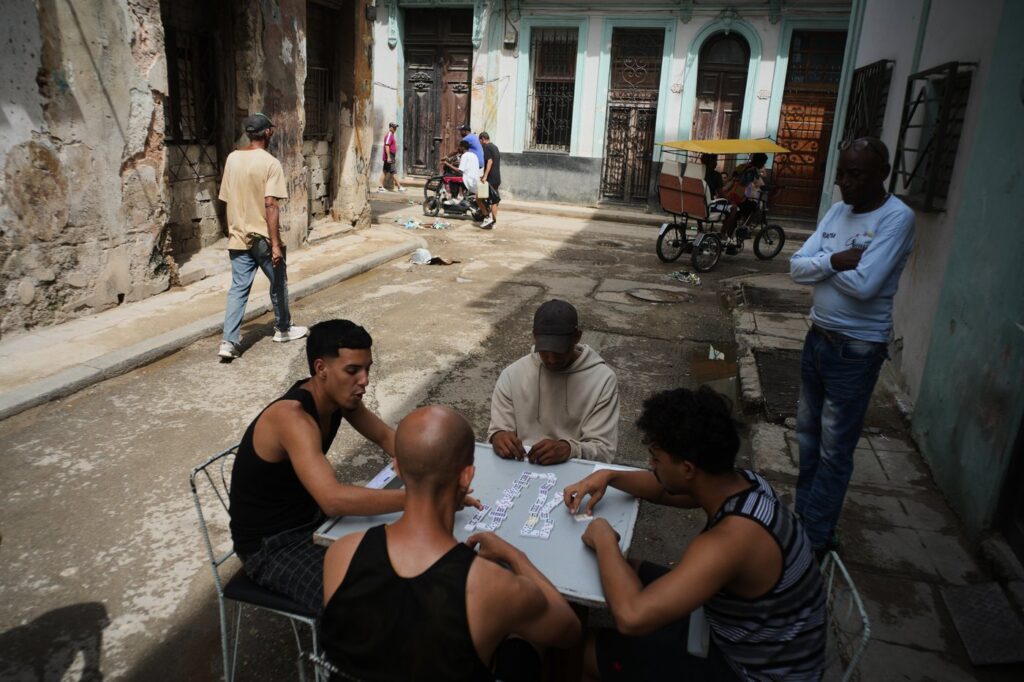
The power outages have aggravated an already dire situation for many Cubans, exacerbating food spoilage and contributing to widespread despair. Pedro Rámos, a 75-year-old retired mechanic living in Old Havana, expressed his desperation as he struggled to save food from spoiling amid the extended power outages. “Two people older than 70 live here... This is terrible,” he lamented.
Dalba Obiedo, 48, shared her distress, recounting an incident where she fell down a staircase due to the blackout, leading to a jaw injury that would require surgery. Residents are increasingly contemplating leaving the island as they face relentless power outages and deteriorating living conditions. “What little we have to eat spoils,” said Tomás David Velázquez Felipe, a 61-year-old Havana native, voicing the growing urge among Cubans to escape their hardships.