DUBAI, United Arab Emirates (AP) – On Monday, U.S. President Donald Trump remarked that the United States was in discussions with an Iranian leader, claiming that the Islamic Republic was eager to negotiate a deal to end the ongoing war that has now lasted over three weeks. Furthermore, Trump announced a five-day extension for Iran to reopen the crucial Strait of Hormuz, warning that otherwise, it would face attacks on its power plants.
Trump's unexpected shift in tone raised hopes of a resolution to the conflict and resulted in a drop in oil prices as well as a boost in stock markets. The U.S. and Iran had been exchanging threats over the weekend, raising concerns about potential energy crises that could affect millions in Iran and across the Gulf region.
During a press briefing, Trump asserted that Iran was enthusiastic about reaching an agreement and indicated that U.S. envoy Steve Witkoff and his son-in-law Jared Kushner had engaged in talks with an unidentified Iranian leader. However, he clarified that discussions had not involved Supreme Leader Ayatollah Mojtaba Khamenei. In response, Iran's parliamentary spokesperson, Mohammad Bagher Qalibaf, denied any negotiations had taken place, claiming "fake news" was being used to influence financial and oil markets.
Trump stated that if an agreement were finalized, the U.S. would seek to confiscate Iran's enriched uranium, which is pivotal to its contentious nuclear program. Historically, Iran has resisted such demands, asserting its right to uranium enrichment for peaceful purposes. Notably, experts including Robert Goldston from Princeton University have suggested that Iran is close to being able to produce weapons-grade uranium for multiple nuclear weapons, underscoring the urgency of the situation.
Regional developments showed Turkey and Egypt stepping in to mediate the conflict. Turkish Foreign Minister Hakan Fidan held discussions with his Iranian counterpart, suggesting an ongoing dialogue aimed at mitigating tensions. Additionally, Egyptian President Abdel-Fattah el-Sissi stated that clear messages aimed at de-escalating the conflict had been delivered to Iran, emphasizing Cairo's commitment to communication among all involved parties.
As hostilities continued, the conflict resulting from U.S. and Israeli operations has led to over 2,000 deaths, severely impacting the global economy and causing a surge in oil prices. Trump's previous threats included a stark warning to "obliterate" Iran's power infrastructure unless the nation lifted its control over the Strait of Hormuz within a 48-hour ultimatum, a deadline that was later extended based on ongoing discussions.
Trump maintained that peace was within reach and suggested that Iran had agreed not to pursue nuclear weapons. He expressed optimism that a favorable deal could be reached within the week, crediting his aggressive stance regarding Iranian power facilities as instrumental.
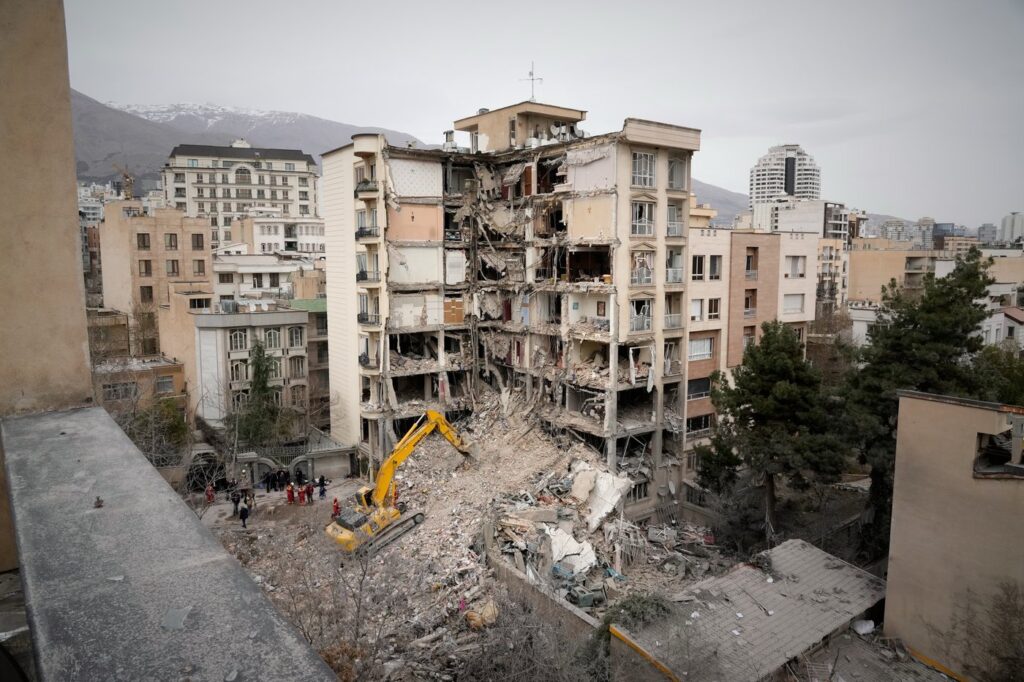
On the ground, Israeli forces intensified their military actions, targeting Iranian infrastructure in Tehran, while also engaging Hezbollah in Lebanon. These actions contributed to a rising death toll, with reports indicating over 1,000 casualties in Lebanon alone, while Iranian fatalities have surpassed 1,500. The situation in the region remains volatile, with both Iranian and U.S. forces bracing for further conflict.
Internationally, the prospect of a ceasefire is under discussion as Israeli Prime Minister Benjamin Netanyahu vowed to continue military operations against Iranian targets. The ongoing conflict not only raises humanitarian concerns but poses significant risks to regional stability and global oil supply chains, putting pressure on leaders to find a diplomatic resolution.