ORLANDO, Fla. (AP) — Tiger Woods, following a recent rollover crash, faces potential prosecution due to his refusal to take a urine test. This situation aligns with a change in Florida law enacted last year, which allows prosecutors to build a DUI case against individuals even without concrete lab results by using testimonies from deputies, as well as body camera and dashcam footage, according to a legal expert.
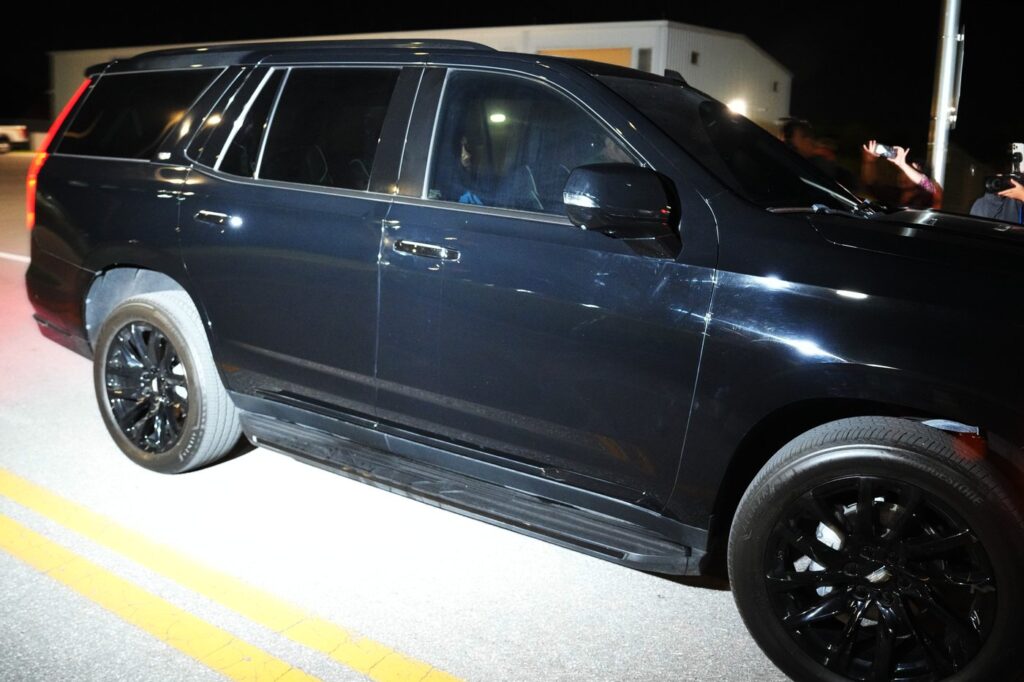
On March 27, 2026, Woods was driving at "high speeds" along a residential road in Jupiter Island when his Land Rover collided with another vehicle and overturned. The Martin County Sheriff's Office reported that Woods displayed "signs of impairment" but fortunately was not injured in the accident. Although he consented to a Breathalyzer test, which indicated no alcohol in his system, he refused to submit to a urine test, leading to his arrest; he was released from custody eight hours later.
Mark Steinberg, Woods' agent at Excel Sports, has not publicly commented on the situation, and no representatives from Woods' camp or the PGA Tour have made any statements since the incident. Woods serves on the PGA Tour board and chairs a committee focused on reshaping the competition model.
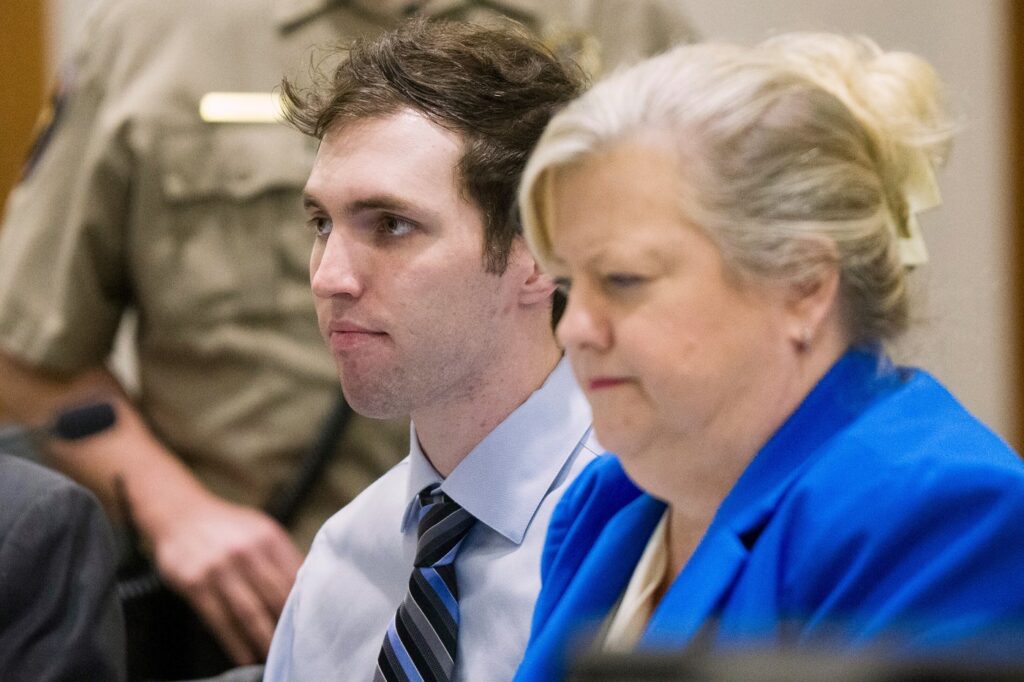
Woods is now charged with multiple offenses, including driving under the influence, property damage, and refusal to submit to a lawful test. Under the revised Florida law, refusal to comply with a police request for a breath, blood, or urine test is classified as a misdemeanor, even for first-time offenders. Previously, refusal had only been prosecutable if it followed a prior refusal, which often encouraged individuals facing DUI charges to decline testing.
David Hill, an Orlando defense attorney not associated with Woods’ case, mentioned that the law's change significantly alters the prosecution's approach. According to Martin County Sheriff John Budensiek, Woods was cooperative during initial interviews but later chose not to proceed with the urine test. Budensiek emphasized the lack of definitive evidence regarding Woods' impairment at the time of the crash.
Even in the absence of lab results, prosecutors can still utilize other evidence to form their case. Testimonies from deputies regarding Woods' behavior, such as exhibiting red or bloodshot eyes, slurred speech, or signs of drug or alcohol use, could help strengthen the prosecution's argument. However, Hill also noted that the lack of scientific evidence could provide a tactical advantage for Woods' legal team.
If Woods had not caused the collision, he might have had a better chance of having his case dismissed, especially considering this is not his first DUI offense. In Florida, first-time offenders without accidents are often guided towards diversion programs, which include educational courses and community service, leading to possible dismissal of charges. Additionally, many first-time DUI cases are negotiated down to lesser charges such as reckless driving.
Woods’ previous DUI arrest in 2017 significantly complicates his current legal situation. At that time, he admitted to using a combination of painkillers, which led to authorities finding him asleep behind the wheel of his vehicle. He subsequently pleaded guilty to reckless driving. Given his prior record, prosecutors may be more inclined to pursue harsher penalties, including the possibility of jail time, especially if they believe there are aggravating factors involved in the current case.
This unfolding legal scenario not only raises questions about Woods' future but also highlights the implications of Florida's revised laws regarding DUI offenses.