JERUSALEM (AP) — As Jerusalem approaches the holidays of Passover and Easter, its major holy sites remain closed, casting a shadow over what is typically a vibrant spring season filled with family gatherings and tourists. The ongoing conflict stemming from the Iran war, which is now entering its fifth week, has transformed the usually bustling city into a quiet and somber place.
The streets of the Old City, home to significant religious landmarks, are eerily empty, with metal shutters drawn on most shops and only a few footsteps heard echoing through the desolate stone alleyways. The absence of the usual throngs of pilgrims and tourists has drastically changed the atmosphere.
In contrast to previous conflicts that have spared Jerusalem, the city has recently come under fire following airstrikes by Israel and the United States on Iran initiated on February 28. Earlier in March, an intercepted Iranian missile spread debris over the rooftop of the Greek Orthodox Patriarchate, located near the Church of the Holy Sepulcher, which remains closed under Israeli military regulations that limit gatherings to a maximum of 50 people. This church is revered as the site of Jesus' crucifixion, burial, and resurrection, and its closure marks a significant impact on Christian traditions during this holy season.
The situation at the Western Wall, the most sacred site for Jewish prayer, is similarly grim. Rabbi Shmuel Rabinowitz expressed sorrow over the emptiness of the plaza, where the traditional priestly blessing for Passover will only feature 50 worshippers, reflecting wartime safety protocols reminiscent of those imposed during the COVID-19 pandemic.
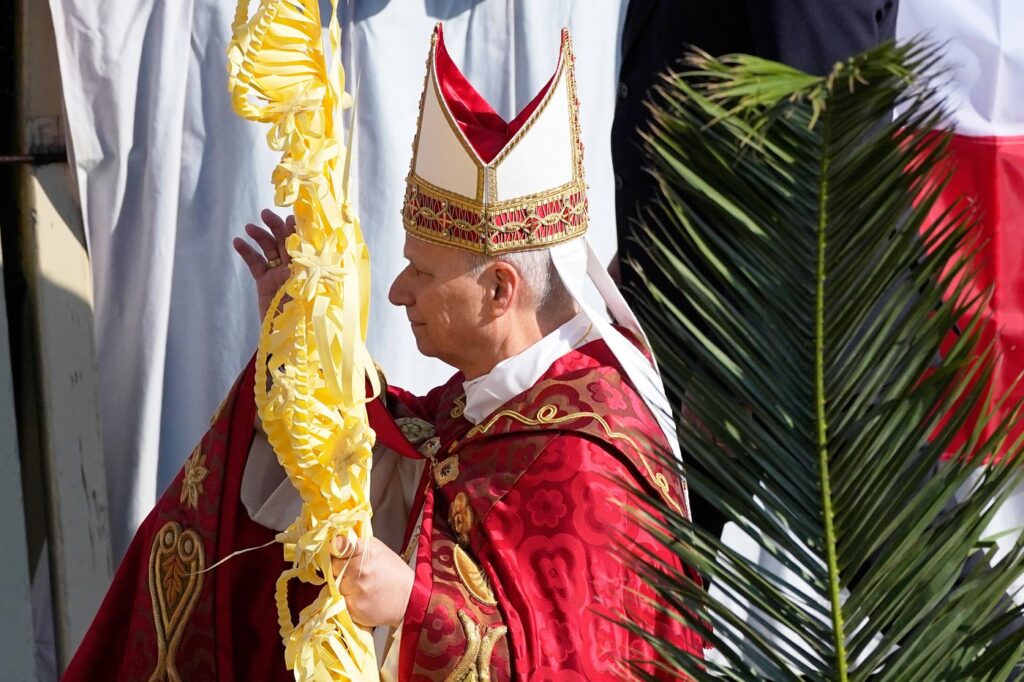
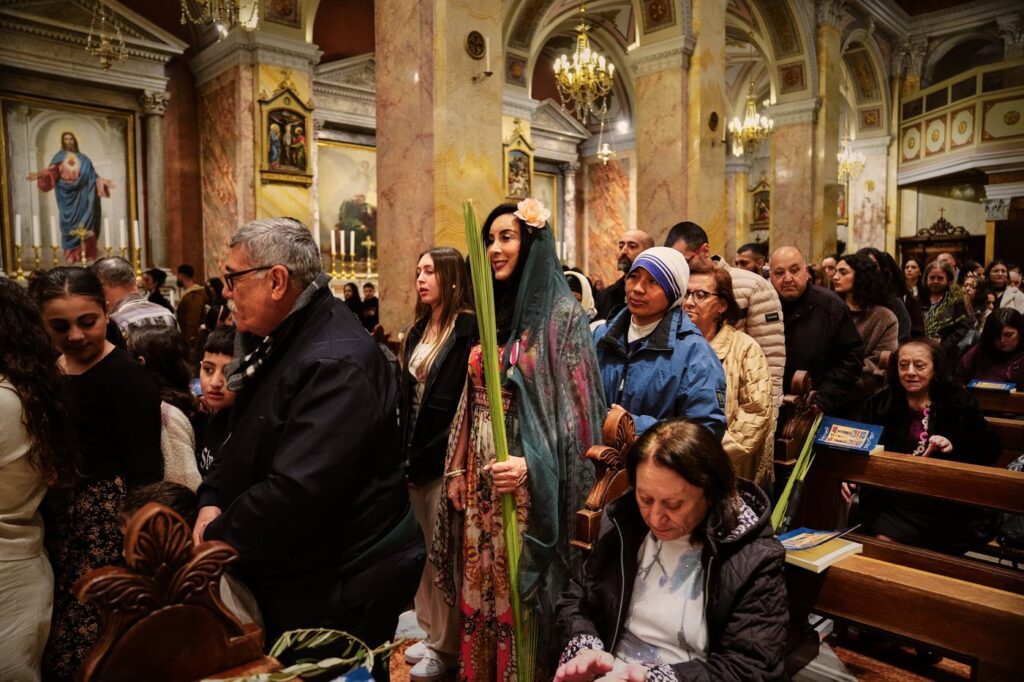
Easter celebrations have also faced drastic reductions. The Latin Patriarchate canceled the Palm Sunday procession due to Israeli military guidelines, which restrict gatherings to under 50 people. Despite compliance, Jerusalem police barred Catholic leaders from entering the Church of the Holy Sepulcher to conduct Mass for Palm Sunday, citing safety concerns regarding emergency access and shelter availability in the event of missile attacks. This was described as "unreasonable and grossly disproportionate" by church officials, stating it was a historic first for the Christian community.
The cancellation of such observances has left many community members feeling a profound sense of loss. Rami Asakrieh, a parish priest for Jerusalem's Catholic community, acknowledged the mourning for the Palm Sunday procession, emphasizing that true faith transcends external acts.
In addition, the Al Aqsa Mosque compound, the third-holiest Islamic site, has remained closed since the onset of the war, eliminating prayers during much of Ramadan. Fayez Dakkak, a Muslim shopkeeper in the Old City, lamented the closure during Ramadan, expressing the unease that has set in due to continuous safety measures and the closing of shops, affecting both livelihood and community spirit.
As Passover approaches, Israeli families are bracing for smaller, simplified seders amidst ongoing missile threats. At the same time, many individuals are evacuating the country through its border with Egypt as air travel remains limited, juxtaposing the holiday's themes of exodus with contemporary turmoil.
Attention is also on how communities are trying to maintain some traditions, as observant Jewish families scramble to clean their homes for Passover while also responding to sirens for shelter. Jamie Geller, a cookbook author based in Jerusalem's Old City, noted the shocking toll the recent violence has taken on the area, where once safety from invasion was assumed.
With the combination of military restrictions and the impact of the ongoing conflict, the once-celebrated communal and festive spirit of Jerusalem during these holy days is now overshadowed by fear and uncertainty. The city stands as a poignant reminder of the complexities of faith, community, and the search for safety amidst chaos.