SALT LAKE CITY (AP) - Recent advancements in DNA testing have definitively connected the unsolved murder of Utah teenager Laura Ann Aime to the notorious serial killer Ted Bundy, according to a statement from the local sheriff's office released on Wednesday.
Laura Ann Aime, 17, vanished on Halloween night in 1974 after leaving a party alone to walk to a nearby convenience store. Approximately a month later, her lifeless body was discovered by hikers along the side of a highway in American Fork Canyon. The initial investigation revealed that Aime had been bound, beaten, and stripped of her clothing. Authorities suggested that she had likely been kept alive for several days post-abduction.
For years, investigators had their suspicions about Bundy's involvement, especially since he reportedly acknowledged his guilt leading up to his execution in Florida in 1989. However, they were unable to close the case until they had definitive proof linking him to the crime.
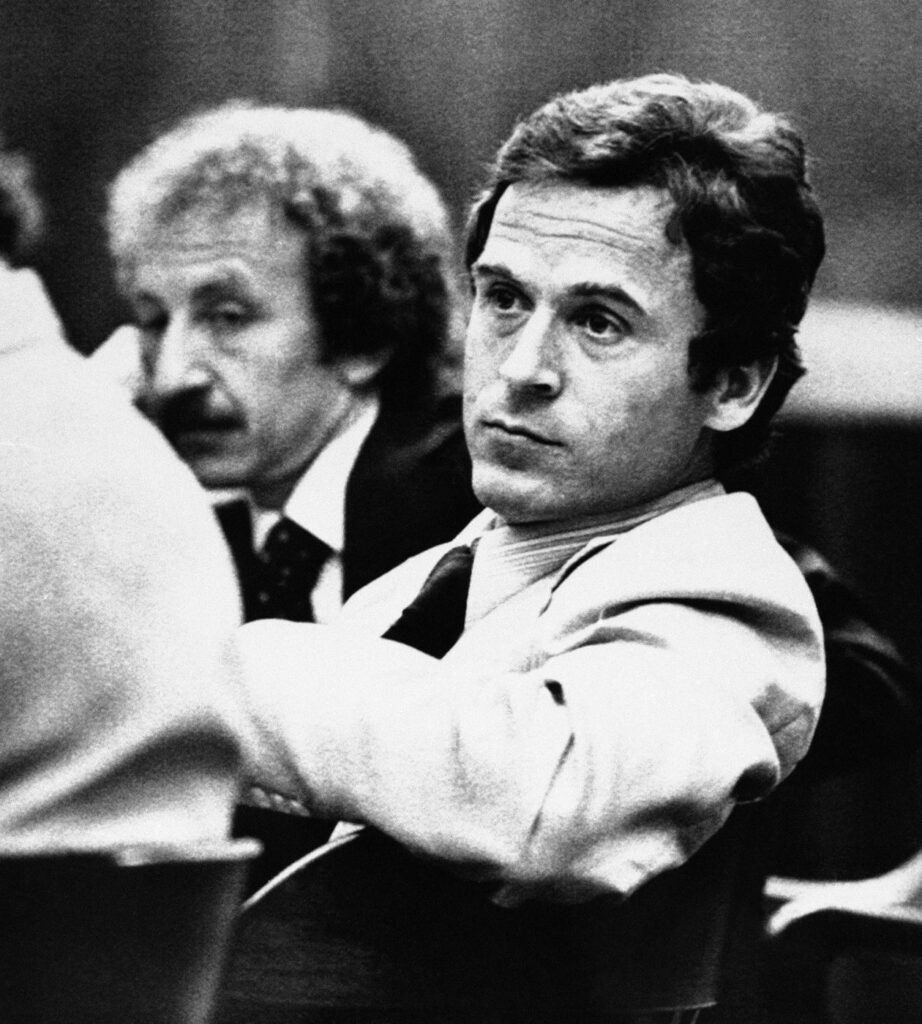
Ted Bundy is infamously recognized as one of the most prolific serial killers in U.S. history, with his heinous acts extending to at least 30 women and girls across various states during the 1970s. His gruesome murders, which took place in locations such as sorority houses and parks, created an atmosphere of fear nationwide. Bundy's charming demeanor and good looks contributed to the widespread fascination surrounding his arrest and trial.
Investigators preserved crucial evidence from Aime's case, allowing forensic experts to analyze the materials effectively. In 2023, the Utah Department of Public Safety acquired new technology capable of extracting usable DNA from small and degraded samples, even those contaminated with DNA from multiple individuals. This groundbreaking technology enabled them to identify a singular male DNA profile, which was subsequently matched against a national law enforcement database.
The DNA analysis revealed a match to Bundy's profile. Utah County sheriff's Sgt. Mike Reynolds expressed empathy for Aime's family during a news conference, stating, "Laura Aime is the quintessential daughter of Utah County. We felt the pain the family feels when she was taken. We felt the pain that you felt this whole entire time, and we’ve had the desire to deliver to you some type of healing, we can’t really say closure."
The timeline of Bundy’s criminal activities shows that he had already begun abducting and killing young women — many of whom were college students — by 1974. He had relocated to Salt Lake City during this time, where his criminal activities expanded into Utah, Idaho, and Colorado, while he was enrolled in law studies at the University of Utah.
Bundy was first arrested in August 1975 when police stopped him and discovered incriminating items such as rope, handcuffs, and a ski mask in his vehicle. The following year, he was convicted of kidnapping and assaulting a teenager in Utah, receiving a 15-year prison sentence. While incarcerated, he was implicated in the murder of a nursing student.
In a dramatic turn of events, Bundy escaped from custody during a hearing in Aspen, Colorado in 1977 by climbing out a second-story courthouse window. Although he was recaptured a week later, he managed to escape again six months after that by breaking through the ceiling of a jail. Bundy then fled across the United States, eventually arriving in Tallahassee, Florida.
On January 15, 1978, he broke into the Chi Omega sorority house at Florida State University, where he bludgeoned two women to death with a large branch and inflicted serious injuries on two additional victims. Shortly thereafter, he abducted, sexually assaulted, and murdered 12-year-old Kimberly Leach, who is considered his last victim. Bundy's long criminal spree came to a halt when he was apprehended in Pensacola while driving a stolen vehicle, subsequently providing a DNA sample that would later match with evidence collected in various cases against him.