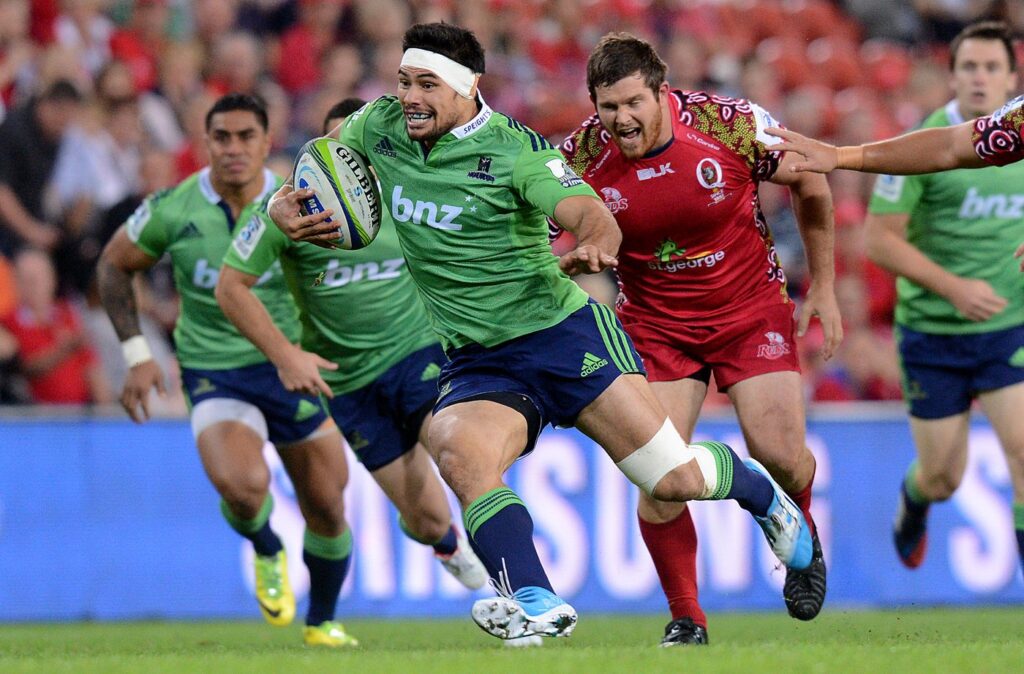
WELLINGTON, New Zealand (AP) – A tragic event has unfolded in the realm of New Zealand rugby, as the death of professional player Shane Christie, who was 39 years old at the time of his passing in August 2022, has been linked to advanced chronic traumatic encephalopathy (CTE). This brain abnormality, associated with repeated concussions, was confirmed through a post-mortem examination conducted by authorities, highlighting the ongoing concerns about the long-term effects of head injuries in contact sports.
The finding was officially announced on Thursday by Coroner Ian Telford, who is currently overseeing a preliminary hearing regarding Christie’s death. CTE is a degenerative brain disease that progressively damages brain tissue, often resulting in symptoms such as mood swings, impulsive behavior, and depression. It is important to note that CTE can only be diagnosed post-mortem, as is the case with Christie, who had previously expressed concern about his mental health and the possibility that he was suffering from this condition.
Shane Christie was a notable figure in rugby, having represented the New Zealand Maori team and played Super Rugby with the Crusaders and Highlanders. Following injuries sustained from repeated concussions, he retired from the sport in 2018. Christie actively campaigned for greater awareness regarding CTE, particularly after the death of his friend and fellow rugby player Billy Guyton, who also died by suspected suicide. It is clear that Christie hoped to bring attention to the serious implications of CTE for athletes experiencing similar symptoms.
The coroner reported that pathologist Dr. Clinton Turner, who is associated with the University of Auckland's “brain bank,” confirmed Christie’s diagnosis as “high stage” CTE. This brain bank was also the final resting place for the brains of both Christie and Guyton, allowing for critical research into the effects of CTE and other brain injuries in athletes.
As investigations continue, the coroner emphasized that the diagnosis provided by Dr. Turner is an expert opinion and that the official cause of Christie’s death is yet to be determined through the ongoing coronial process. Meanwhile, Steve Lancaster, the chief executive of New Zealand Rugby, has acknowledged the association between repeated head impacts and CTE, emphasizing that the organization takes this issue seriously. He stated that New Zealand Rugby recognizes the urgency for further research into the long-term impacts of head injuries in rugby.
In his remarks, Lancaster acknowledged the pathology results confirming Shane Christie’s CTE diagnosis and expressed respect for the coroner's role in assessing the circumstances surrounding Christie’s passing. He noted that New Zealand Rugby is committed to addressing concerns regarding potential long-term effects in players, underlining the need for continuous research and awareness in the sport.
The relationship between concussion-related injuries and mental health issues in contact sports continues to be a critical topic of discussion, particularly as more cases like that of Shane Christie come to light. With the ongoing investigations and increased attention towards CTE, stakeholders in rugby and other sports are urged to consider the implications for player safety and mental well-being.