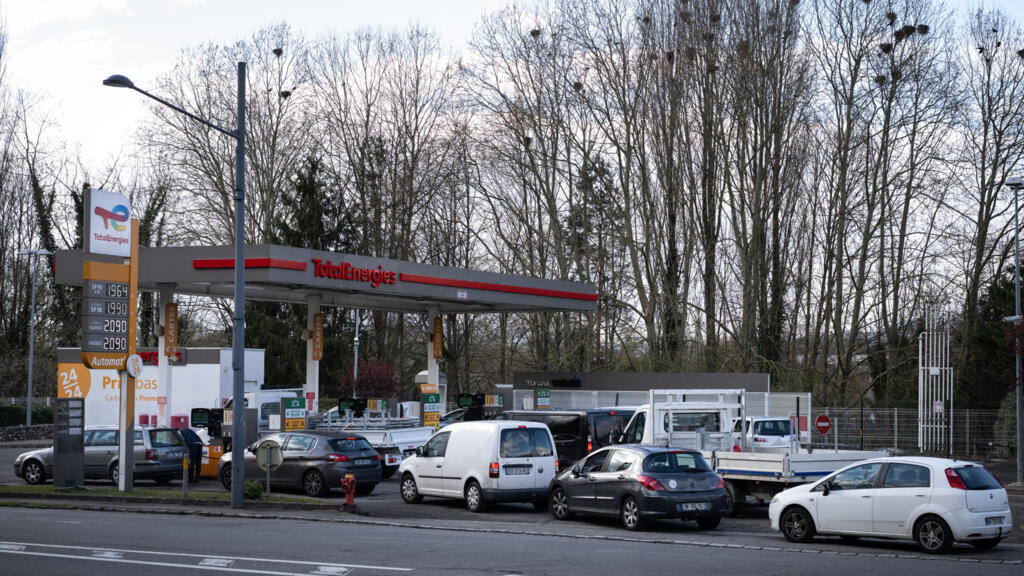
Record Fuel Inflation Impacts European Drivers Amid Iran War
European drivers are currently grappling with a dramatic rise in fuel prices, particularly diesel, which has surged by over 30 percent since the onset of the Iran war. This inflationary spike underscores the continent's heavy reliance on imported energy sources and highlights the sustained prevalence of diesel vehicles within the European automotive market.
The conflict in Iran has had immediate repercussions on global energy markets, with diesel prices reflecting the volatility and uncertainty stemming from geopolitical tensions. As a result, consumers throughout Europe are experiencing unprecedented financial strain as they navigate these fluctuating fuel costs. This situation is exacerbated by the fact that diesel remains a popular choice among European drivers, particularly for commercial vehicles and long-distance travel.
Government policies and environmental regulations have historically supported the use of diesel in Europe, emphasizing its fuel efficiency compared to gasoline. Nevertheless, the sharp rise in diesel prices has led to increasing concerns among consumers and policymakers alike about energy security and sustainability. Many countries are now reevaluating their energy strategies and looking for alternative solutions to reduce dependence on imported fuels.
Moreover, the volatility in the diesel market is raising questions about the future of diesel vehicles in an era of transitioning to greener alternatives. The automotive industry faces pressure to innovate and adapt, with many manufacturers investing heavily in electric and hybrid technologies. However, the current infrastructure and consumer preferences tend to favor diesel, creating a complex challenge for both automakers and regulators.
In light of these developments, consumers are becoming increasingly conscious of their fuel consumption. As diesel prices rise, many are forced to reconsider their reliance on diesel vehicles and explore more economical and environmentally friendly options. Additionally, the financial impact on families and businesses cannot be overlooked, as rising fuel costs affect not only individual budgets but also the broader economy.
As the situation continues to unfold, cities in Europe are implementing various measures to alleviate some of the burdens associated with high diesel prices. These may include financial assistance programs for low-income families, incentives for electric vehicle purchases, and investments in public transportation systems to provide affordable alternatives to driving.
The consequences of fuel inflation in Europe highlight the interconnectedness of global energy markets and the need for a diversified energy portfolio. As regional tensions persist, the focus may shift towards achieving greater energy independence through the development of renewable energy sources and improved energy efficiency measures.
In conclusion, the spike in diesel prices in Europe serves as a stark reminder of the complex dynamics between geopolitics, consumer behavior, and energy policy. As European drivers face increased financial pressure, the automotive market will need to adapt to these changing circumstances, balancing the demands for energy security, economic viability, and environmental sustainability.