Hungarian Prime Minister Viktor Orban is poised to face one of his most significant challenges yet as the nation prepares to vote in crucial elections this Sunday. With tensions running high, the election could lead to a notable shift in the political landscape with Peter Magyar, his centre-right rival, posing a serious threat to Orban's long-standing grip on power.
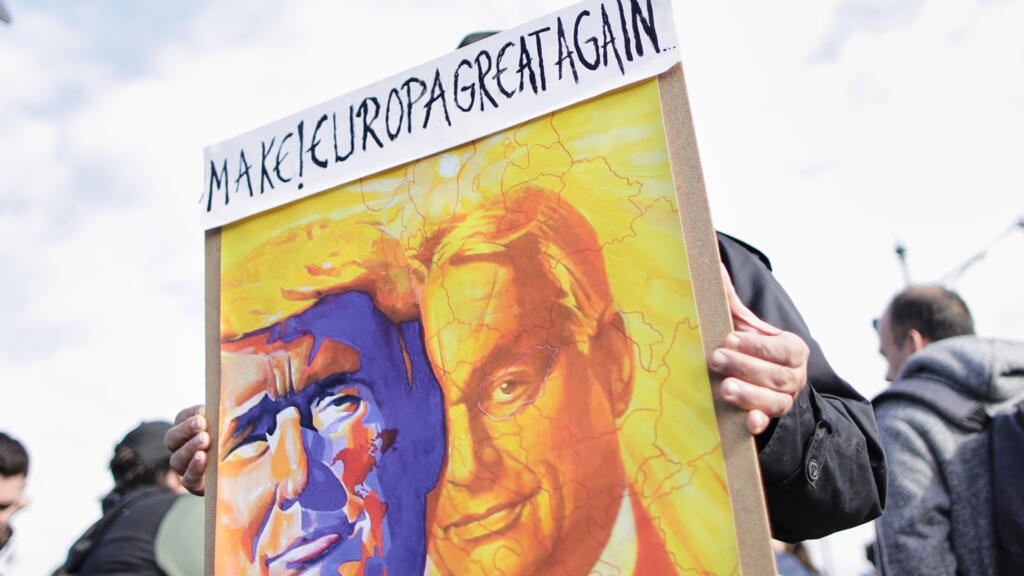
Orban, known for his controversial and often divisive policies, has been a prominent figure in European politics. He has built a reputation as one of the European Union’s staunchest critics while aligning himself with former U.S. President Donald Trump. Throughout his campaign, Orban has employed an aggressive strategy to rally support, warning that his potential defeat could have dire consequences for Hungary, including being dragged into military conflict alongside Ukraine.
In the lead-up to the elections, Orban's campaign has been characterized by strong rhetoric and appeals to national security. He has suggested that a shift in power could destabilize Hungary and allow external forces, allegedly sympathetic to Ukraine, to gain undue influence. This approach has resonated with a segment of the population concerned about the impacts of the conflict in Ukraine and its implications for Hungary's own security.
On the other hand, Magyar's campaign has focused on addressing domestic issues, including economic challenges, healthcare, and corruption. His rise in popularity represents a growing desire among Hungarian voters for change after over a decade of Orban's leadership. As the election date approaches, polls suggest that the competition between the two candidates is tightening, with Magyar gaining traction among undecided voters.
The atmosphere leading up to the elections is charged with tension, as both candidates work tirelessly to mobilize their bases. Orban has encouraged fervent support from his ruling party, Fidesz, leveraging state resources and media to maintain his visibility. In contrast, Magyar's team seeks to connect directly with the electorate, focusing on grassroots engagement to build momentum.
International observers are closely watching the election, given its potential broader implications for democracy in Hungary and the European Union. The outcome of this election could signal a shift towards more progressive policies or further entrenchment of Orban’s nationalist agenda. As Hungary grapples with its identity and future in a turbulent geopolitical landscape, the role of voters in shaping that future has never been more critical.
As the election day draws nearer, anticipation builds among political analysts and citizens alike. The stakes are high, not just for Orban and Magyar but also for the trajectory of Hungary as it navigates challenges both at home and in the international arena. The decisions made at the ballot box will undoubtedly resonate beyond borders, highlighting Hungary's position in global discussions on governance, democracy, and foreign affairs.
```