The recent 32-hour Easter truce between Russia and Ukraine has expired, leading to a renewed cycle of accusations and allegations between both nations. Despite a temporary reduction in air and missile strikes along the extensive 1,200-kilometer front line, both sides reported violations of the ceasefire agreement, highlighting the ongoing volatility of the conflict.
During the truce, which was intended to provide a brief respite from hostilities, there were still reports of drone and artillery activity from both sides. Officials have noted that while certain attacks decreased, the full-scale combat did not halt entirely. The environment remained tense, as each side accused the other of committing thousands of violations during the truce. Such claims reflect the deeply entrenched mistrust that characterizes this conflict, making genuine peace efforts challenging.
Amidst the truce, representatives from both Ukraine and Russia have exchanged stark accusations regarding the failure to adhere to the ceasefire. Ukrainian officials pointed out that Russian forces were responsible for numerous breaches, reinforcing their stance that Moscow cannot be trusted to follow through on agreements. On the other hand, Russian authorities claimed that Ukrainian forces were the primary violators, using the truce as an opportunity to regroup and mount further attacks.
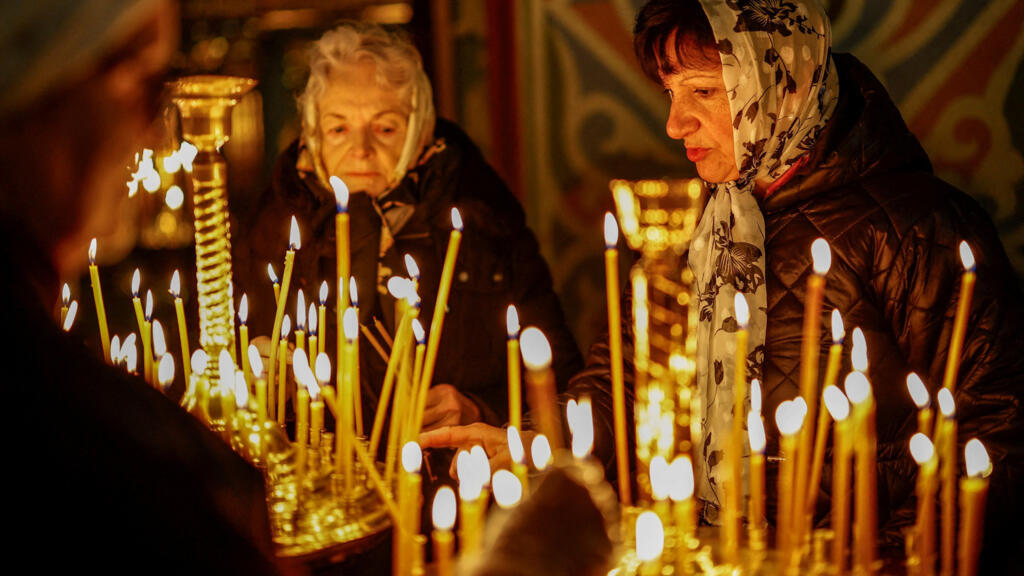
The situation along the front line remains complex, with both military and civilian impacts continuing to escalate. Local residents in contested areas are caught in the crossfire, enduring constant uncertainty and fear. The truce, although brief, highlighted the desperation for peace amid ongoing turmoil, even if such efforts seem futile under the current circumstances.
While the ceasefire was a brief attempt at reprieve, it ultimately served to reinforce the need for more sustained and meaningful dialogue between the two nations. The serious level of mistrust and hostility displayed during this period suggests that finding a long-term solution will require greater commitment from both parties and possibly mediation from outside actors.
As the conflict continues with no clear resolution in sight, it emphasizes the urgent need for international attention and intervention to facilitate a constructive path forward. The two nations remain locked in a struggle that has had devastating consequences, and the periodic attempts at truces have thus far been insufficient to create lasting peace. The expiration of this recent truce is a stark reminder of the challenges that lie ahead in seeking a resolution to the ongoing conflict.