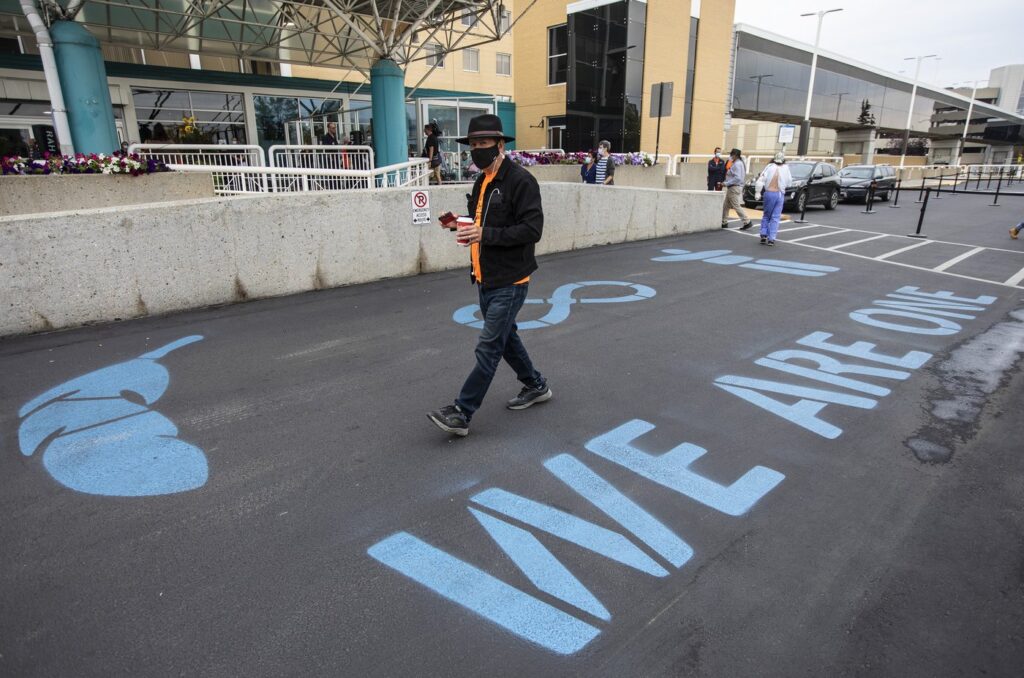
EDMONTON – The Alberta Medical Association (AMA) has reported that another patient has died while waiting for care at a hospital, prompting an investigation by the province's health agency. AMA President Dr. Brian Wirzba stated that the individual, a man who arrived at Edmonton's Royal Alexandra Hospital on May 8, passed away just several hours later.
Dr. Wirzba explained, “He received some initial therapy in the emergency room but because there were no stretcher spaces inside the emergency department, he was left in the waiting room.” During a phone interview on Saturday, he expressed condolences to the family and loved ones of the deceased, highlighting the significant moral distress faced by front-line staff working in such challenging and overcrowded environments.
Alberta Health Services (AHS) is currently investigating the circumstances surrounding the man's death. Due to privacy regulations, AHS has stated that it cannot disclose further details. In a recent email, AHS emphasized, “AHS takes situations like this seriously and is committed to providing a safe environment that supports high-quality care.” They also mentioned that an initial investigation has begun, and a Quality Assurance Review will take place.
This recent tragedy adds to a worrying trend in Alberta’s healthcare system, where several patients have died while waiting for care in hospitals across the province in recent months. Last year, Prashant Sreekumar, a 44-year-old man, died at the Grey Nuns Community Hospital in Edmonton after waiting nearly eight hours for treatment. Earlier this year, Dr. Paul Parks, president-elect of the AMA's section of emergency medicine, addressed the provincial government, detailing instances of six additional deaths within a two-week period in January. His letter also included accounts of 30 cases that nearly resulted in fatalities.
Dr. Parks attributed most of these deaths and near misses to the severe congestion within Alberta’s hospitals. In response to Sreekumar’s passing, the provincial government has initiated a judge-led inquiry and announced plans for a program in which physicians will assist in triaging patients.
Dr. Wirzba remarked on Sunday that this proposed triage program is not yet operational. “There has been significant delay in some of the details around describing the position and arranging appropriate contracts for the positions,” he noted. He confirmed that discussions with government officials have been ongoing, with expectations of reaching a resolution by June. Following that, a call for physicians willing to join the program will be announced.
Dr. Wirzba pointed out that the prolonged timeline for this initiative has been far longer than anticipated. He stressed that resolving the overcrowding crisis in Alberta’s emergency departments will require collaborative efforts from all stakeholders, including governments, hospitals, and care agencies, to address the multitude of challenges contributing to the backlog.
To enhance patient flow through emergency rooms, Dr. Wirzba suggested that governments must invest in social programs aimed at aiding discharged patients. “Patients need to get out to more appropriate places in the community; they need stable housing, social work to assist them, addiction treatments… those types of services need to be more readily available.”
Despite the recent fatalities, Dr. Wirzba reassured the public that these incidents should not deter Albertans from seeking emergency care. “Despite these tragic events, the vast majority of patients receive care.” The situation underscores the urgent need for improvements within the healthcare system to ensure timely and adequate patient care.
This report showcases the critical state of Alberta’s healthcare system and the alarming events that have transpired, emphasizing the importance of effective solutions to prevent future tragedies.