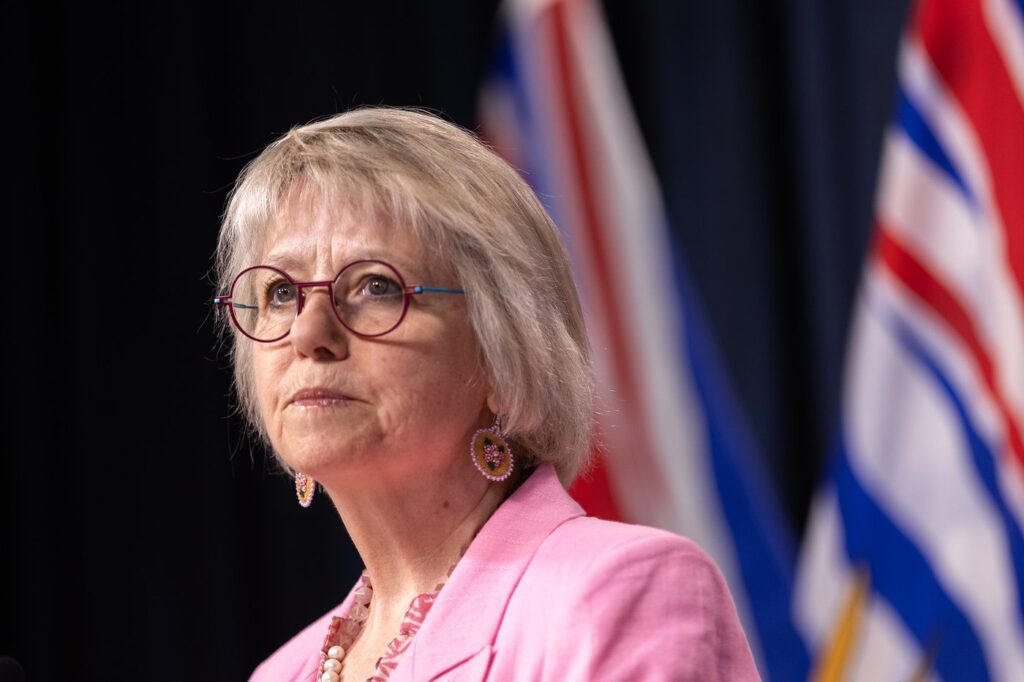
Dr. Bonnie Henry, British Columbia's provincial health officer, announced on Saturday that one of the four Canadians isolating in the province after a hantavirus outbreak on a cruise ship has tested "presumptive positive" for the virus. This individual is part of a couple from the Yukon who showed mild symptoms, including a fever and headache, after arriving in the province. Both were isolated following established health protocols and were taken to a hospital in Victoria.
According to Dr. Henry, tests conducted late Friday evening identified the individual as a carrier of the Andes strain of hantavirus. The other member of the couple exhibited minor symptoms but tested negative for the virus. Confirmatory samples have been sent to a national microbiology lab in Winnipeg for further analysis.
Dr. Henry reassured the public by stating that the patient who tested positive is stable, and their symptoms remain mild. Currently, they are hospitalized in isolation and are being closely monitored by a healthcare team to ensure they receive the necessary care.
Earlier, Canada's chief public health officer had announced that public health authorities across the country were advising 26 individuals to monitor for hantavirus symptoms due to having been in contact with an infected individual onboard the cruise. Among these, nine individuals were categorized as high-risk contacts and were directed to isolate in Ontario, Alberta, and British Columbia. They were either passengers on the cruise ship or had close interactions with someone infected during their flight.
This confirmation of a positive hantavirus case marks a shift from previous reports stating no one in Canada had shown symptoms, given that the virus has a potential incubation period of several weeks. Out of precaution, a third cruise passenger who was in isolation in British Columbia has been transferred to the hospital for further assessment and testing, while the fourth individual continues to isolate at home.
Health officials identified the four individuals involved as a couple in their 70s from the Yukon, a person in their 70s from Vancouver Island, and an individual in their 50s who resides abroad but is from British Columbia. Dr. Reka Gustafson, chief medical health officer for the Island Health Authority, noted that the patients are being kept in negative pressure rooms, and both hospitals are equipped to handle the situation.
Dr. Henry emphasized that infection control measures were implemented the moment the cruise passengers arrived in British Columbia. She expressed confidence that there was no additional risk to the broader public outside of the health care workers attending to the patients. These workers are adhering to established protocols designed to safeguard them and other patients in the hospital from potential infection.
The Public Health Agency of Canada has indicated that the overall risk to the general Canadian population from the Andes hantavirus outbreak linked to the MV Hondius cruise ship remains low. According to the World Health Organization, a total of 11 hantavirus cases connected to the cruise ship have been documented worldwide, with three fatalities. The Canadian case would increase the total to 12, with at least eight confirmed through laboratory tests.
The four individuals from Canada arrived in Victoria last week and were placed in isolation on Vancouver Island for a minimum of 21 days. Dr. Henry remarked that authorities are evaluating the duration for which these individuals will need to remain in isolation, stating, "We will be following these four individuals daily, actively, for at least 42 days."