As the United States becomes increasingly entangled in its military engagements, particularly in its ongoing conflict with Iran, Ukraine has been proactive in urging European nations to enhance their role in diplomatic negotiations aimed at resolving the Russian invasion of its territory. The Ukrainian leadership is advocating for a more integrated approach within Europe to facilitate discussions with Russia, emphasizing the urgency of finding a lasting resolution to the ongoing conflict.
In response to Ukraine's calls, officials from the European Union (EU) have expressed the need for a unified stance before engaging with Moscow. This aligns with the broader strategy of ensuring that the EU speaks with one voice on significant geopolitical issues. The Eurozone, facing multiple crises, including the repercussions of the war in Ukraine, is grappling with internal consensus on how to address the situation effectively.
According to EU sources, there is a two-fold challenge that must be addressed. First, the bloc needs to determine a coherent message that reflects its collective position on the conflict and what it hopes to achieve through negotiations with Russia. This involves discussions on various diplomatic strategies and potential outcomes that could arise from engaging with the Kremlin.
Second, there is a pressing question of who within the EU would be best suited to act as a mediator in these talks. With various member states holding differing perspectives on Russia, selecting an appropriate representative or mediator becomes a critical step. Differences among EU countries, in terms of their historical ties and geopolitical interests in relation to Russia, further complicate the process.
The ongoing wrestling with these issues highlights the complexities of European diplomacy in the face of external aggression. The fear that an inadequate response may embolden adversarial powers underscores the urgency of formulating a more strategic and cohesive approach to the Russian invasion. European leaders are acutely aware that a fragmented response not only diminishes their credibility but also risks prolonging the conflict.
In light of these challenges, the Ukrainian government continues to express hope that the EU can present a united front. Kyiv's leadership believes that a stronger European response could not only deter further Russian aggression but also create an environment conducive to peace talks. This notion is particularly pressing as the humanitarian impact of the war continues to escalate, affecting millions of civilians in Ukraine.
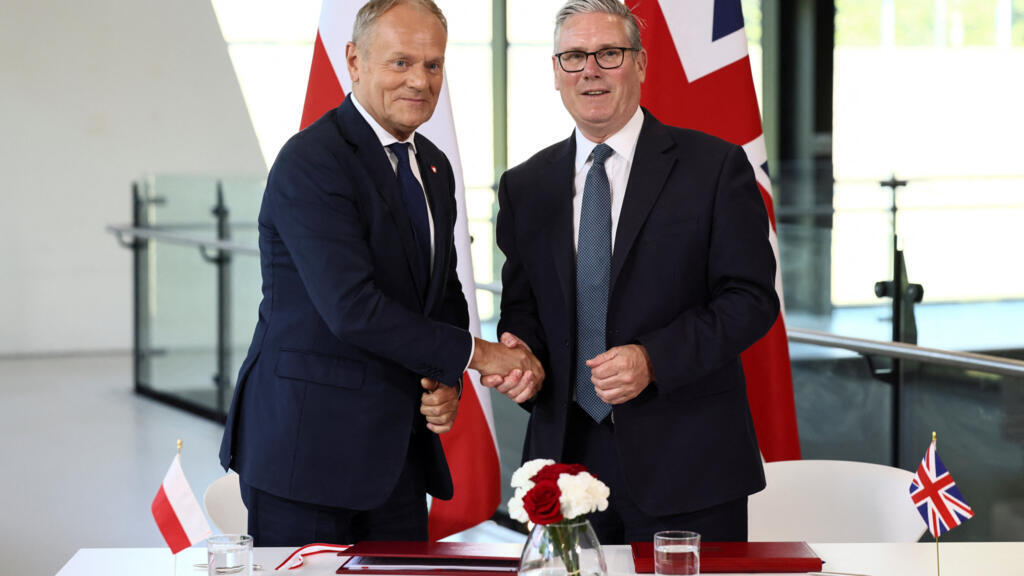
Moreover, Ukraine is keen to capitalize on its relationships with European nations that have been supportive in the past, such as Poland and the Baltic states, which have demonstrated a strong stance against Russian expansionism. These nations have been vocal advocates for a more robust military and diplomatic support to Ukraine, further reflecting the need for an alliance characterized by solidarity and strategic alignment.
As diplomatic efforts are evaluated, the EU's internal dialogue must address not only external relations with Russia but also the socio-economic ramifications of a prolonged conflict on member states. Countries within the Union are facing their own challenges, from energy dependencies to economic instability, complicating their resolve in supporting Ukraine.
Ultimately, the situation demands a careful and strategic approach to diplomacy that balances the immediate needs of Ukraine with the broader implications of Europe's relations with Russia. The outcome of these discussions will determine not only the future of Ukraine but also the geopolitical landscape of Europe in the years to come.