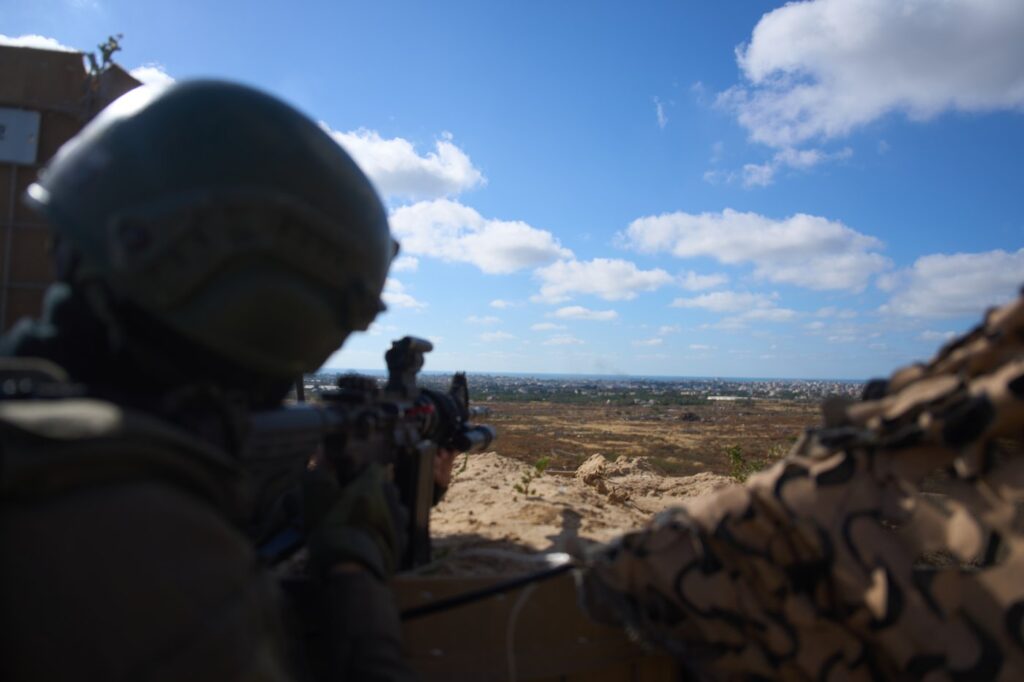
TEL AVIV, Israel (AP) — An Israeli combat soldier recently recounted a disturbing shift in behavior among troops stationed near the Gaza Strip, revealing a troubling perspective on the tentative ceasefire that took effect in October. During his deployment, he witnessed celebratory moments after attacks on Palestinian vehicles, where soldiers congratulated one another after killing those inside.
The reservist reported that instances like these have become increasingly common since the ceasefire began. He emphasized the atmosphere of aggression and the clear directive from authorities: if anyone approached or crossed the so-called yellow line, which separates Israeli-controlled areas from Palestinian territories, they were to be shot. “It was a jungle,” the soldier described the situation, indicating a chaotic and violent environment.
As diplomatic efforts to strengthen the ceasefire agreement faltered, the soldier, among others, expressed confusion about the rules of engagement. They noted a lack of clarity, where some commanders would pay lip service to the ceasefire while privately advocating for continued military operations in Gaza. This ambiguity often resulted in soldiers acting hastily, sometimes targeting individuals without knowing their intentions, a concern corroborated by a whistleblower group of veterans.
The accounts provided a rare insight into conditions on the ground since the ceasefire was established, highlighting a grim reality for Palestinians living in the area. Soldiers who had served in Gaza between October and January shared their experiences on the condition of anonymity due to fears of reprisal for speaking out. They expressed deep feelings of anger and sadness over the violence they witnessed, arguing that the situation did not reflect a real ceasefire. “To call it a ceasefire is a joke,” one soldier asserted.
The boundaries of Gaza, particularly the yellow line, have been a source of contention and confusion. Under the ceasefire, the Israeli military retreated to a designated buffer zone, gaining control over approximately half of the area. Although the agreement stipulated a complete withdrawal of Israeli forces, the absence of a timeline has led to further escalation of military control. The U.S.-backed diplomat overseeing the truce has indicated that progress is stalled due to disagreements over the disarmament of Hamas, a key factor affecting all other issues, including retractions and reconstruction efforts.
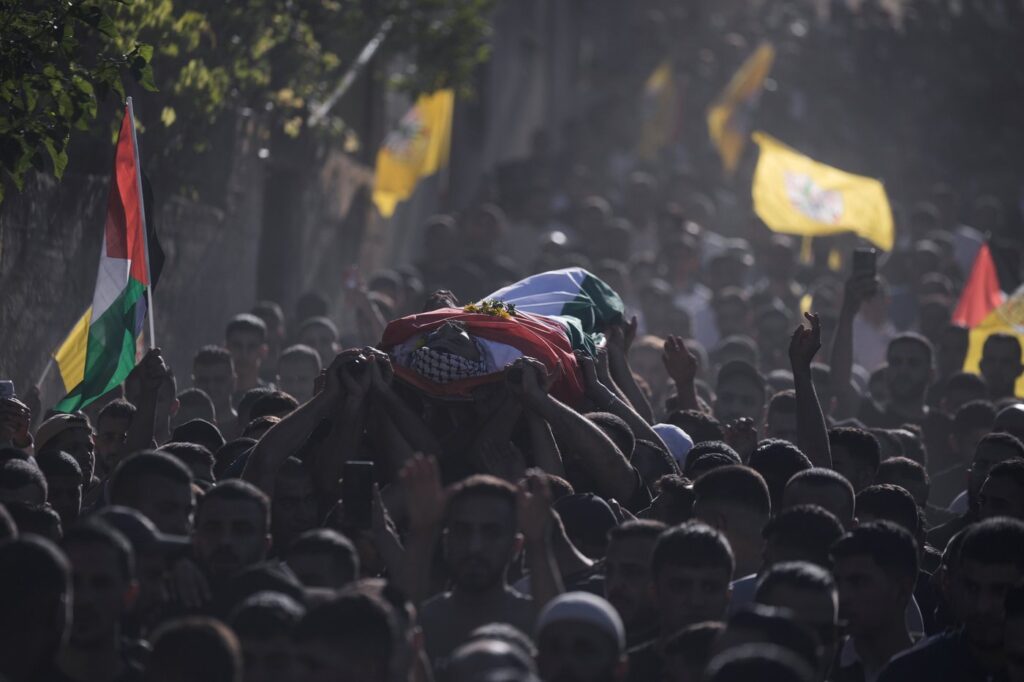
Despite the ceasefire, the death toll in Gaza has remained alarming, with over 900 fatalities recorded since its implementation, including numerous incidents near or across the yellow line. While the Israeli military claims most casualties resulted from threats to soldiers, testimonies from soldiers indicate a troubling approach to engagement rules. Reports mention that in many instances, soldiers lacked the situational awareness necessary to identify whether the individuals they were targeting posed a threat.
Israeli military officials maintain that approaching the yellow line is prohibited and that civilians are not targeted solely for being near it. They assert that warnings are typically issued before any use of force and that immediate threats are addressed accordingly. However, soldiers have indicated that the rules of engagement are highly permissive, with directives encouraging lethal responses to potential threats.
Reports from veterans’ groups, such as Breaking the Silence, suggest an environment where lives are undervalued. One soldier described a general perception among troops that losing human lives carried little significance, while others recounted orders to eliminate anyone crossing the line without regard for the individual’s identity.
An internal report obtained by aid organizations indicated that Israeli military operations have become increasingly aggressive, with escalating strikes reported across Gaza. Data from the Armed Conflict Location and Event Data Project confirmed that the early months of the year saw a significant rise in fatalities near the yellow line, especially in recent months. Prime Minister Benjamin Netanyahu has gone on record claiming Israel now controls 60% of Gaza and intends to increase that to 70%.
The testimony of soldiers on the ground reflects a stark contrast to the proclaimed ceasefire status, with many feeling that the term itself has become meaningless in the context of ongoing violence and military engagement.