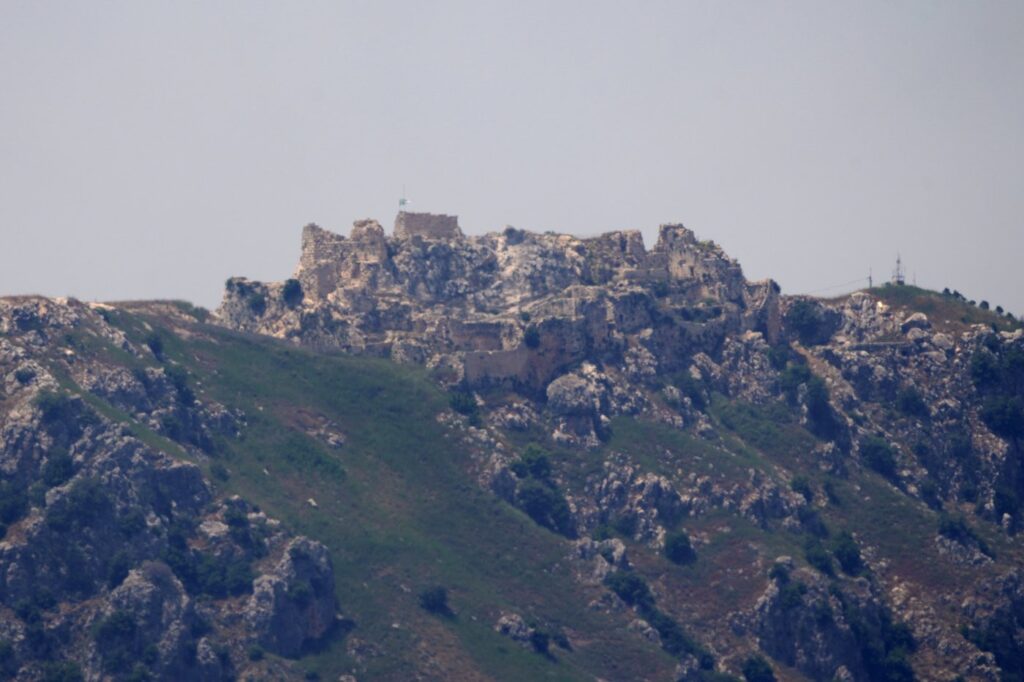
Israeli troops have captured a strategic mountain topped with a Crusader-built castle known as Beaufort castle in southern Lebanon, marking the most profound incursion into the country in over 25 years. This military operation follows days of airstrikes and intense fighting between Israeli forces and Hezbollah militants in the region surrounding the city of Nabatiyeh.
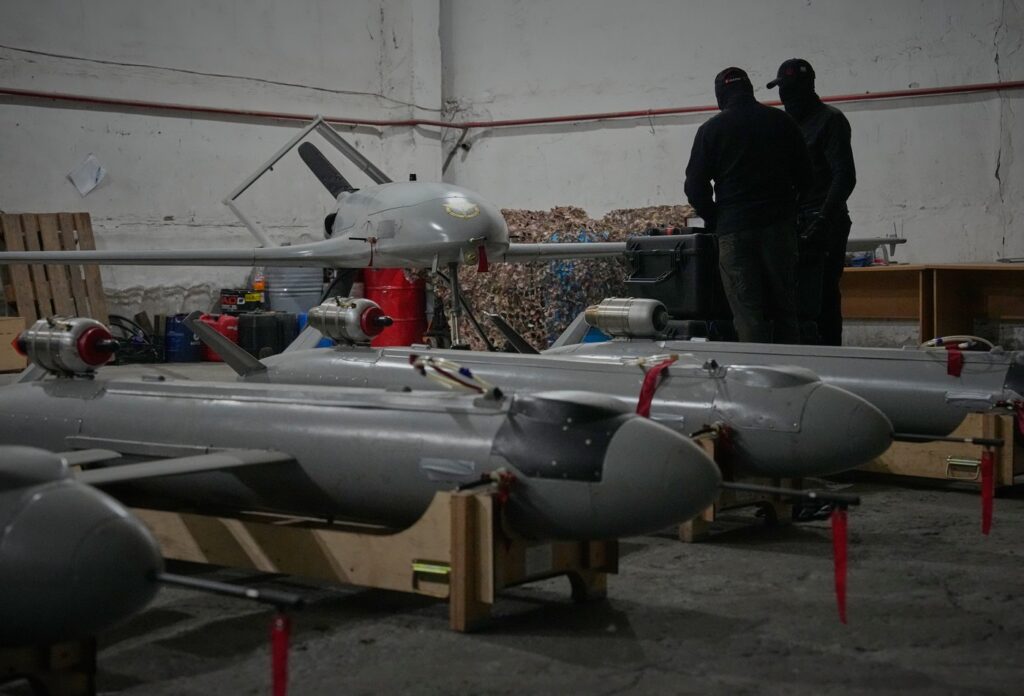
The seizure of Beaufort castle signifies a significant Israeli advancement in the ongoing Israel-Hezbollah war, which ignited on March 2, when Hezbollah launched rockets into northern Israel just two days after U.S. and Israeli forces conducted airstrikes against Iran, Hezbollah's primary backer. Since then, Israel has initiated a ground invasion, capturing numerous villages and towns situated close to the border. In retaliation, Hezbollah has responded with extensive rocket fire and drone attacks against Israeli soldiers positioned in southern Lebanon and northern Israel.
Despite a nominal ceasefire instituted on April 17 and upcoming direct talks scheduled between Lebanon and Israel in Washington, Israeli forces have persisted in their operations. U.S. Secretary of State Marco Rubio has engaged in dialogues with both Lebanese President Joseph Aoun and Israeli Prime Minister Benjamin Netanyahu, proposing a new framework for halting hostilities. This proposal includes a commitment from Hezbollah to cease all attacks on Israel, while Israel would restrain its military actions in Beirut.
In response to the ongoing conflict, French Foreign Minister Jean-Noël Barrot has called for an emergency meeting of the United Nations Security Council to address the actions of the Israeli military in Lebanon, characterizing them as "unacceptable." Barrot firmly stated that nothing could justify the elongation of Israeli military operations or its encroachment on Lebanese territory.
Beaufort castle, a historical and strategic fortress, has a rich heritage dating back to the 12th century. Captured by Israeli forces in 1982, it was held until Israel's withdrawal from Lebanon in 2000. In a statement, Israeli Defense Minister Israel Katz expressed that the return of the Israeli flag to the castle's peak demonstrates the military's ongoing endeavors to dismantle what they claim are Hezbollah's military infrastructures in the region.
Israeli Prime Minister Benjamin Netanyahu emphasized the significance of Beaufort's capture, labeling it as a pivotal shift in their military strategy and asserting that Israel has eliminated around 3,000 Hezbollah militants since the war's onset. The Israeli military operation extends beyond Beaufort, impacting areas from the Litani River to the Zahrani River, designating them as combat zones.
As Israeli forces make significant advances towards Nabatiyeh, which is located approximately 5 kilometers away from their position, tensions remain high. Residents are being urged to evacuate due to the escalation of military actions. While some civilians have already left the vicinity, many remain amid the ongoing conflict.
The eruption of violence has resulted in substantial casualties, with reports indicating that the latest round of fighting between Israel and Hezbollah has led to the deaths of approximately 3,350 individuals in Lebanon and displaced over 1 million people. Israeli casualties include at least 25 soldiers and a defense contractor, along with two civilian fatalities reported in northern Israel.
Throughout the conflict, exchanges of fire have continued across the border, with Hezbollah launching rockets into northern Israel and Israeli military operations targeting areas near Tyre. The chaotic situation remains unpredictable, as both sides prepare for their forthcoming negotiations and the possibility of further hostilities.