HAVANA (AP) – The Cuban government announced its openness to transferring the management of its hotels to Cuban investors, both from the island and those residing abroad. This decision comes in response to the withdrawal or operational limitations imposed by several international hotel chains, including Melia, amid escalating U.S. sanctions.
On May 26, 2023, Melia revealed plans to cease operations at 15 of the 34 hotels it manages in Cuba. This move was triggered by new sanctions imposed by the U.S., coupled with the ongoing energy embargo that has exacerbated an economic crisis on the island. The Cuban government has attributed various societal issues, such as prolonged blackouts, water shortages, and deficiencies in the healthcare system, to what it describes as the U.S. blockade.
The decision by Melia to withdraw aligns with similar actions taken by other hotel chains, including Canada's Royalton and Spain's Iberostar, which have either limited or halted their operations in Cuba. This trend has negatively impacted the country's crucial tourism sector, which has been in decline since reaching its peak in 2018.
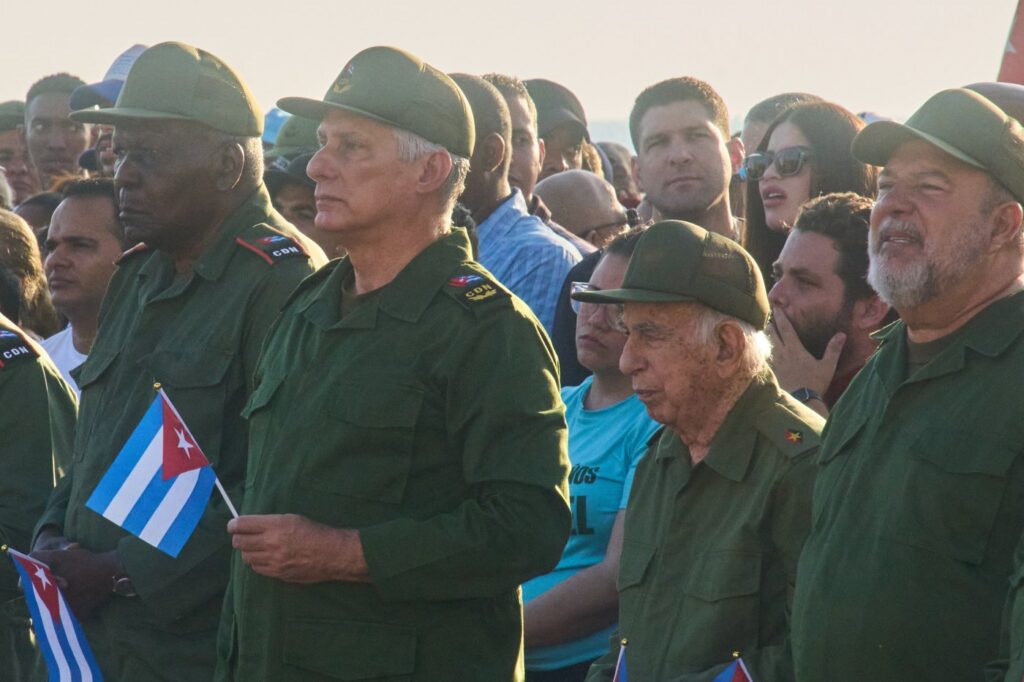
In a recent interview, President Miguel Díaz-Canel disclosed this new management policy during a broadcast on the official presidential channel. He stated, “There will be hotels that we will have to operate more with Cuban management than with shared management with foreign entities. We are proposing different business models. We are open to Cubans who want to invest and manage hotels.” He emphasized that these business opportunities are also extended to Cubans living abroad.
Melia's decision to reduce its presence in Cuba came just weeks following U.S. President Donald Trump signing an executive order that expanded sanctions against the island. Most affected by the sanctions were entities associated with the Grupo de Administración Empresarial S.A. (GAESA), a conglomerate operated by the Cuban Revolutionary Armed Forces, which the U.S. government views as a threat to national security.
This executive order also includes the freezing of assets belonging to foreign companies, seizing accounts within the United States, and prohibiting travel for shareholders, investors, and employees. Consequently, this effectively eliminates their operations within the U.S. financial system.
GAESA, established in the 1990s, manages a diverse range of business ventures, from transportation services to retail stores. Historically, GAESA's partnership with Melia through a subsidiary called Gaviota has been instrumental in the hotel management sector.
Melia stands out as one of the most significant partners in Cuba's tourism industry, managing approximately 14,000 rooms prior to its partial withdrawal. However, tourism in Cuba has suffered drastically. Data indicates that the number of tourists dropped notably in the first quarter of this year, with visitor numbers down by 48% compared to the same period in 2022.
Only 298,000 international tourists visited Cuba between January and March 2023, a stark contrast to the 573,300 who traveled to the island during those months the previous year, as per government statistics.
In the previously mentioned interview, Díaz-Canel expressed his disapproval of the U.S. administration's portrayal of the Cuban government as ineffective while simultaneously exerting greater economic pressure through sanctions. He described such actions as "cynical" and suggested they may be aimed at creating conditions for a social upheaval that could justify U.S. interventions or provoke coercive negotiations with the Cuban government.
The rising tensions have also been underscored by recent U.S. actions, which include the indictment of former Cuban leader Raúl Castro in connection with the 1996 downing of civilian aircraft operated by Cuban exiles in the waters surrounding Cuba.