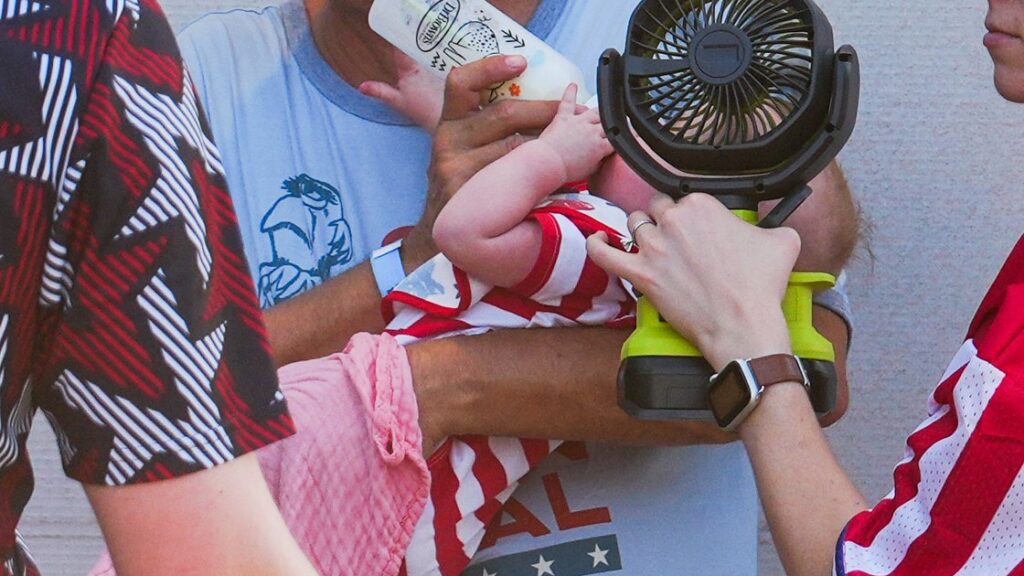
Infants, toddlers, and young children require outdoor activity for their physical and mental development, but parents must take extra care during hot weather. As summer brings heat waves, concerns grow regarding how long children can safely remain outside, how to ensure their well-being, and what precautions to take.
Climate change has intensified the frequency and severity of heat waves, contributing to heightened anxiety among parents. Dr. Katherine Williamson, a pediatrician at Rady Children’s Health in Orange, California, points out that heat-related illnesses in young children have become a common concern alongside traditional safety issues like drowning and choking.
Children are particularly vulnerable to heat-related illnesses for several reasons. They sweat less than adults and have a higher metabolic rate, making them more susceptible to overheating. Additionally, a child's larger surface area-to-mass ratio increases their heat absorption. With children often spending more time outdoors, it’s crucial for parents to recognize the signs of heat illness. Symptoms such as a lack of tears or infrequent wet diapers may indicate dehydration in babies. To prevent dehydration, parents should offer smaller amounts of fluids more frequently.
Signs of overheating include fatigue and flushed skin, signaling the need for a break in the shade. Dr. Williamson notes that increased irritability can also be an indicator that children are too hot. Therefore, vigilance is necessary during hot weather to safeguard young children’s health.
To keep children safe, parents should avoid outdoor activities during the peak heat of the day. Dressing kids in loose, light-colored clothing, applying sunscreen, and ensuring they stay hydrated are essential steps. Offering water-rich fruits like watermelon and strawberries can serve as refreshing snacks to help with hydration.
Dr. Debra Langlois, a pediatrician at the University of Michigan Health C.S. Mott Children’s Hospital, emphasizes the importance of not completely isolating children indoors, although it’s vital to limit outdoor exposure during extreme heat. Parents are also advised against covering strollers with blankets or other materials, as these can trap heat and prevent airflow. Instead, utilizing a stroller canopy for shade is recommended.
Furthermore, parental vigilance must extend to vehicle safety. Leaving children unattended in a car, even with windows open and in shaded areas, can lead to dangerously high temperatures. According to the National Highway Traffic Safety Administration, 31 children suffered heat stroke in vehicles in 2025. To avoid this, caregivers are advised to place personal items in the back seat, use reminders such as notes or stuffed animals on the passenger seat, and check the temperature inside the car before reuniting with their child.
For extra comfort in a hot car, parents can use sun shades to keep interiors cooler and activate the air conditioning beforehand. To cool a parked car effectively, experts suggest rolling down the windows for 10 to 20 seconds before entering while running the air conditioning.