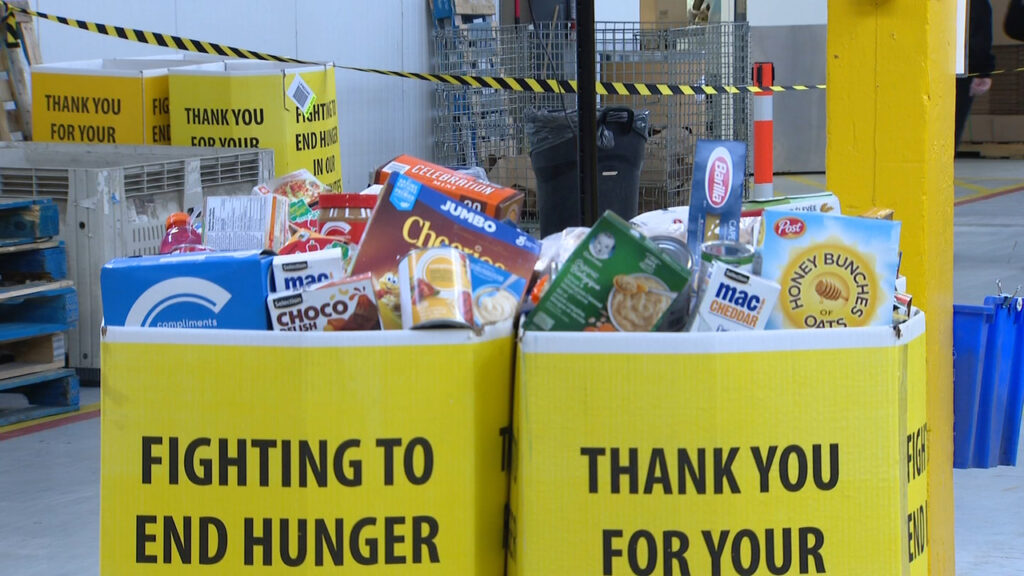
In light of the FIFA World Cup events taking place near Toronto Stadium, the Daily Bread Food Bank is proactively responding to the challenges posed by road closures and exclusion zones that will impact their operations for nearly a month. As one of the city’s essential services, the organization is committed to ensuring that individuals in need can still access food support during this time.
Neil Hetherington, the CEO of Daily Bread Food Bank, emphasized the duality of such large-scale events. "There is great economic benefit that comes through FIFA. At the same time, there are challenges that affect other people, including those who need to attend a food bank," he explained. This sentiment underscores the balance between celebrating significant events and ensuring that vulnerable populations are not left behind.
The Daily Bread Food Bank runs over 200 programs across the Greater Toronto Area, with a notable downtown location on Queen Quay West being closed on game days. This closure necessitates the redirection of clients to alternative food distribution sites such as Alexander Park, situated on Carr Street.
In preparation for the anticipated congestion and delays caused by increased traffic and public transit usage, Hetherington advised clients to plan their visits accordingly. "We are sending out additional food to the food banks in the perimeter area so that people can stock up and mitigate the impact of these closures," he said. He also noted that the schedules at some food bank locations may have changed, requiring clients to verify their specific sites for updated hours and operational days.
To further address logistical challenges, Daily Bread Food Bank has also reached out to the City of Toronto for assistance. "We have applied to the City of Toronto to obtain passes that would allow our trucks to navigate through the traffic as they are crucial for delivering essential services," Hetherington stated. However, the city has yet to respond to these requests, leaving the food bank's operations in a state of uncertainty.
In their communication, the City of Toronto mentioned they are "continuously working with people experiencing homelessness to offer supports, services, and referrals to shelter spaces using a people-first, human rights-based approach." This highlights the city's commitment to addressing the needs of its most vulnerable residents during this high-profile event.
As the FIFA World Cup draws closer, longer wait times at food bank locations are anticipated due to increased foot traffic and traffic disruptions. It is important for clients to stay informed about any changes to food distribution services. The Daily Bread Food Bank encourages individuals to regularly check their website for updates regarding closures and alternative food pick-up locations during the tournament.
Overall, the situation illustrates the delicate balance cities must strike when hosting global events, ensuring that economic gains do not overshadow the needs of marginalized community members. Hetherington's remarks remind us that while Toronto may be celebrating its status as a world-class city, it is paramount to remain vigilant in meeting the needs of those who rely on services like the Daily Bread Food Bank.