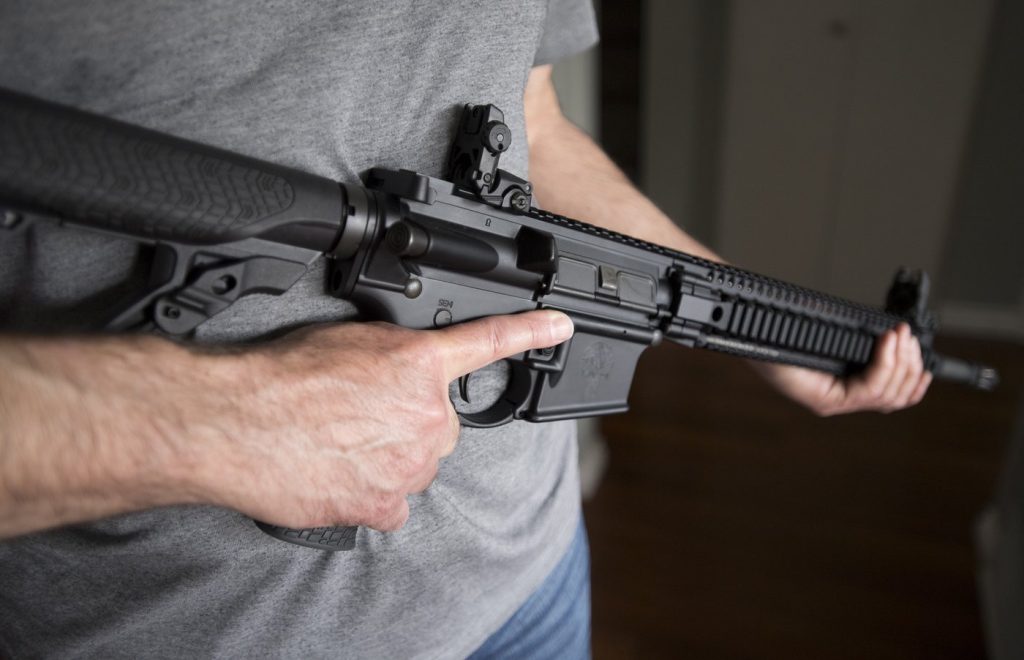
The federal government of Canada has announced the extension of an amnesty period for owners of firearms that have been banned, as a legal battle is set to unfold in the Supreme Court of Canada. Over the past six years, the government has prohibited around 2,500 types of firearms, including notable weapons like the AR-15 and the Ruger Mini-14, classifying these as firearms that should only be found on battlefields.
Previously, the government mandated that owners of these prohibited firearms dispose of or deactivate their weapons by October 30. However, following a decision made in March, the Supreme Court has agreed to hear an appeal against the original federal firearm prohibitions that were instituted in May 2020.
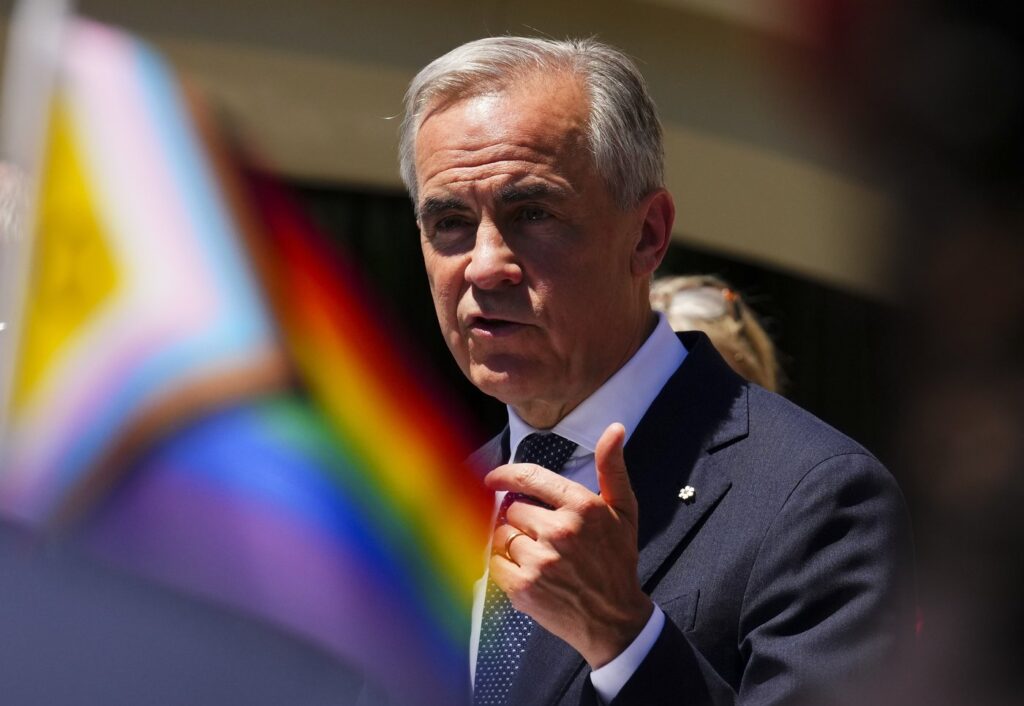
In light of this ongoing legal matter, the government has now extended the amnesty until 90 days after the Supreme Court delivers its ruling, which is anticipated to occur next year. Public Safety Minister Gary Anandasangaree expressed that the decision to prolong the amnesty was made to show respect for both the court proceedings and the firearms owners impacted by the regulations. He affirmed the government's confidence in their legal position, stating they believe their challenges to the court decision will be successful.
Frank Caputo, who serves as the Conservative public safety critic, responded critically to the extension of the amnesty, arguing that the Trudeau government is prolonging the deadline for firearm confiscation due to a belief that their initiative is destined to fail. He noted a consensus among police, firearms owners, and Indigenous communities, who are united in their opposition to what he describes as an assault on law-abiding Canadians. Caputo urged the government to redirect its focus towards capturing dangerous criminals and preventing illegal firearms from entering the country.
Advocacy groups such as PolySeSouvient and the National Association of Women and the Law, which have been vocal supporters of stricter gun laws, expressed disappointment regarding the extension. PolySeSouvient remarked that it is concerning for Anandasangaree to act proactively without any injunction request from the gun lobby and well in advance of the Supreme Court's ruling. They raised alarms about the continued presence of highly lethal, prohibited firearms in civilian hands for an extended duration.
The extension of the amnesty does not affect a federal compensation program established for owners of the banned firearms, which is slated to conclude by October. The compensation initiative has led to the declaration, collection, or destruction of over 142,000 firearms from both individuals and businesses, according to Public Safety Canada. The department stated that the processes of collection and compensation are progressing well across different regions of the country and will continue throughout early fall.
The government emphasized that final figures regarding the total number of firearms collected and the corresponding compensation amounts will be available once the program is completed. This ongoing situation reflects the complex balance between public safety concerns and the rights of firearm owners in Canada.