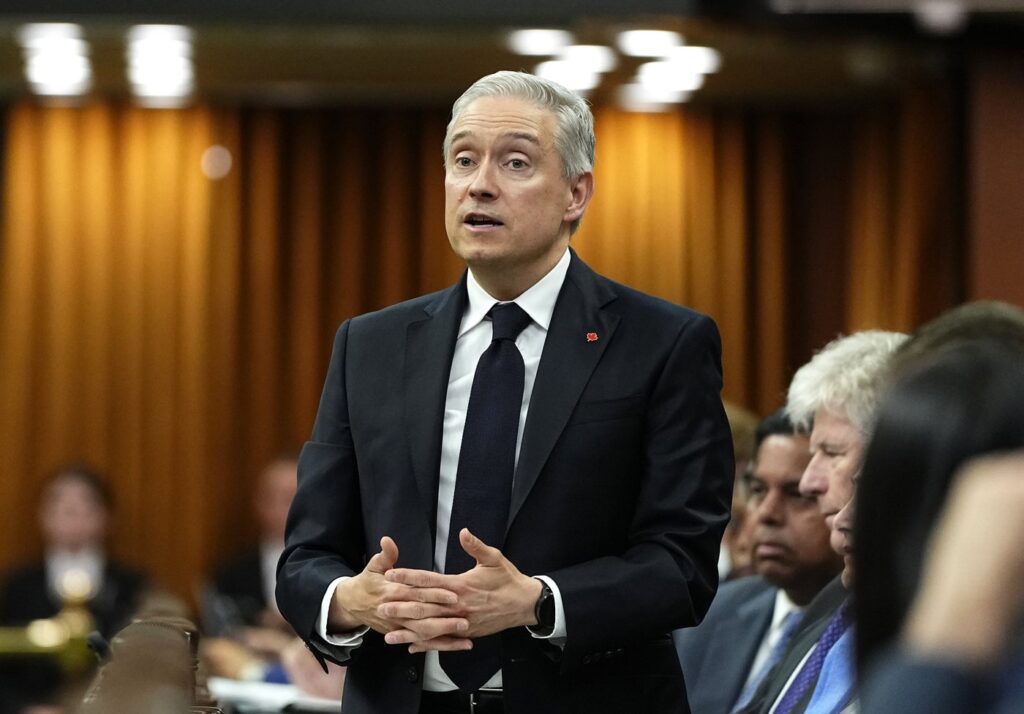
OTTAWA – Finance Minister François-Philippe Champagne asserted that he followed all the necessary guidelines to avoid any conflict of interest regarding the Alto high-speed rail project. This declaration came during his testimony before the parliamentary ethics committee on June 11, 2026, amid ongoing scrutiny from the federal Conservative Party concerning his involvement in the proposed $90-billion high-speed rail initiative linking Toronto and Quebec City.
Champagne explained that he took proactive measures by reaching out to the federal ethics commissioner when a person close to him was offered a vice-presidential position at the Crown corporation responsible for the Alto project. He emphasized that the ethics commissioner confirmed there was no conflict of interest risk since he does not have authority over human resources matters at Alto. To further ensure transparency, Champagne implemented a screening measure to recuse himself from specific decisions related to Alto.
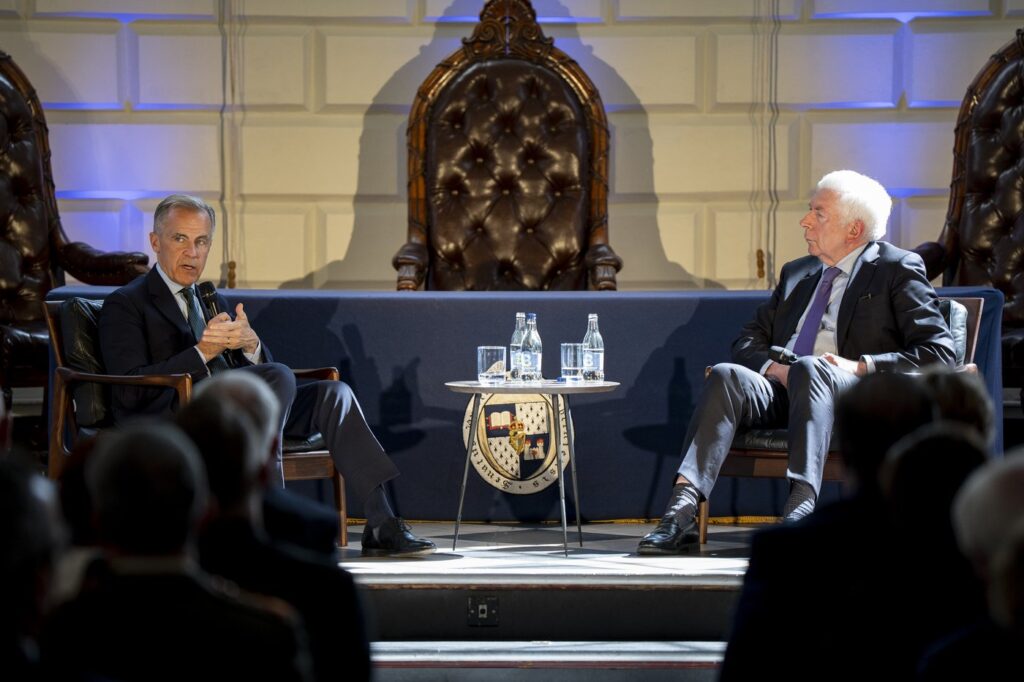
Ethics Commissioner Konrad von Finckenstein appeared before the committee after Champagne and largely supported the minister's account of events. He stated, “The minister’s involvement in discussion or decisions that may benefit Alto is simply too remote to provide an opportunity to further the private interest of an Alto employee who has close ties to the minister.” However, von Finckenstein noted that since the screening measure was not recommended by his office, it did not issue a public notice about it as would be the case in instances where a conflict is possible.
Champagne criticized the Conservative Party, accusing it of politicizing the situation and damaging public confidence in the significant high-speed rail project. He stated, “Despite the proactive measures taken and the ethics commissioner’s unequivocal response regarding the absence of any risk of conflict of interest, this matter has nonetheless given rise to unfounded accusations, even defamation and partisan manoeuvres.”
Conservative Leader Pierre Poilievre vowed to cancel the project, which remains in the planning phase, labeling it a costly “boondoggle.” Tensions during the committee session escalated, with members frequently interrupting each other as questions became more pointed. Conservative MP John Brassard, chair of the committee, often had to intervene to manage the noise and keep order.
Champagne cautioned Conservative and Bloc Québécois MPs against making baseless allegations as he faced a barrage of questions about his interactions with Alto. The legislation concerning Alto—the High-Speed Rail Network Act—was included in the omnibus budget bill that Champagne introduced late last year. Conservative MPs pressed him to clarify why he voted on matters directly related to the Alto project, including a motion aimed at removing the high-speed rail legislation from the budget implementation act, despite having the ethics screen in place.
“What good is your ethics screen if you can vote on matters that specifically and exclusively relate to advancing the Alto project?” Conservative MP Michael Cooper challenged. In response, Champagne referenced the principle of “general application” under the Conflict of Interest Act, explaining that it permits him to participate in House business related to Alto broadly. Von Finckenstein later concurred that the minister acted appropriately regarding such votes.
Conservative MP Michael Barrett urged Champagne to disclose correspondence between himself and the ethics commissioner, including details of the proactive screen. The minister clarified that it would ultimately be the commissioner’s decision to release those documents. Von Finckenstein reiterated that any information shared with his office is confidential unless made public by the individual involved.
As the committee concluded, von Finckenstein remarked that the Conflict of Interest Act has been in place for 20 years and is due for modernization to better suit current needs.