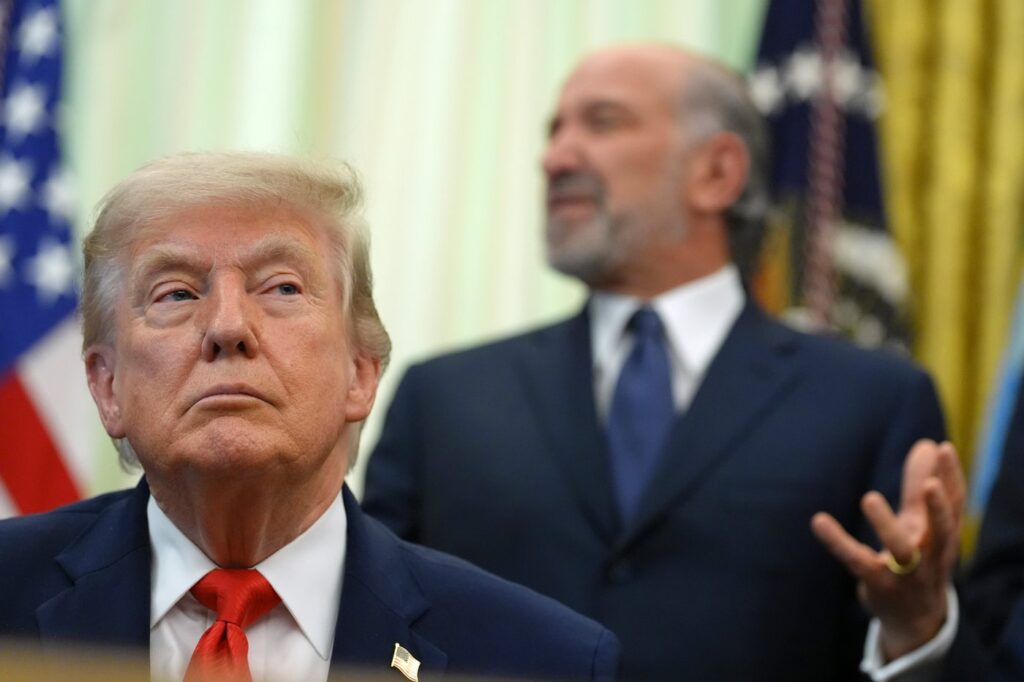
ISLAMABAD (AP) — The key mediator, Pakistan, announced on Saturday that a deal to conclude the Iran war is closer than ever. U.S. President Donald Trump claimed that the agreement would be "signed tomorrow," while Iran expressed cautious optimism, indicating that a bit more time may be necessary before finalization.
Trump noted that the Strait of Hormuz would immediately open following the signing of the agreement. Pakistani Prime Minister Shehbaz Sharif stated that a deal was expected to be finalized within 24 hours, with both parties likely to sign electronically. The Pakistani foreign ministry mentioned that a signing ceremony was scheduled for Sunday, though specific details were not disclosed.
Iranian foreign ministry spokesperson Esmail Baghaei commented on state media, suggesting that while the signing "will not happen tomorrow," the chances of finalizing the memorandum of understanding are high in the coming days. A tenuous ceasefire has been in place since April 7, and Trump has frequently asserted that the countries are on the brink of a deal.
Iran has historically approached negotiations with wariness, citing prior discussions with the U.S. that ended in attacks by both the U.S. and Israel. In a related development, Trump is set to discuss demining the Strait of Hormuz at the upcoming Group of Seven (G7) summit beginning on Monday. A senior U.S. official indicated that Trump plans to meet with leaders from Egypt, Qatar, and the United Arab Emirates during the summit to address efforts aimed at winding down the war.
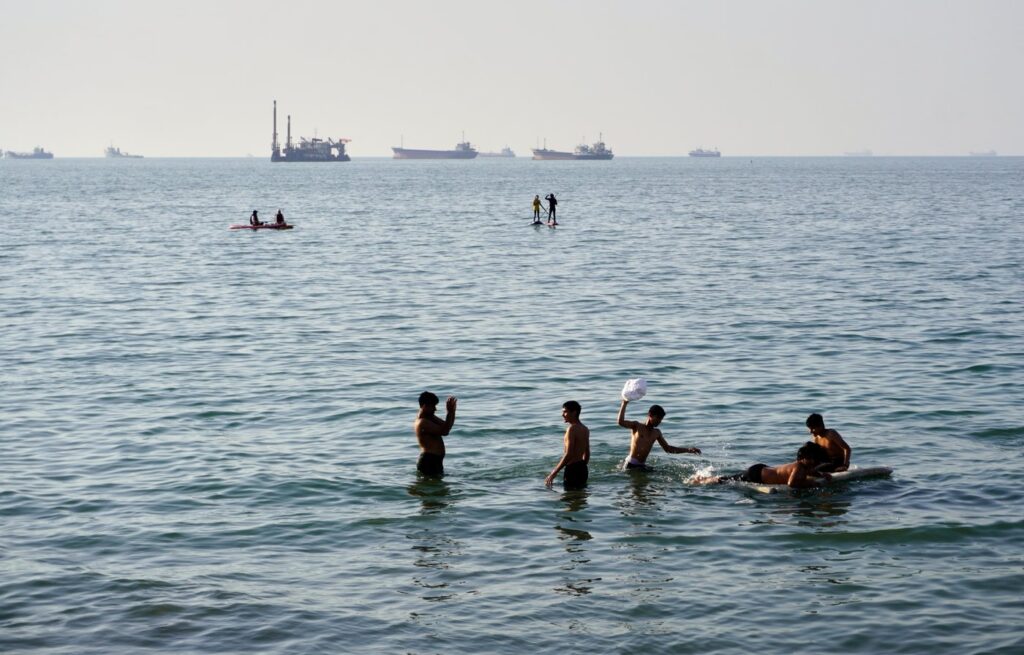
G7 members, including Britain and France, have expressed interest in participating in demining operations once the conflict reaches a pause. The current situation in the Strait remains fraught, with mines placed by Iran effectively controlling the waterway since the onset of the war, significantly impacting oil and natural gas shipments from the Persian Gulf. Additionally, the U.S. has responded to the mining by blockading Iranian ports.
Iran's foreign ministry spokesperson stated that the ongoing discussions focus on concluding the war, with no discussions of the nuclear issue occurring at this stage. Iran's nuclear program and the enrichment of uranium have long been key points of tension between the U.S. and Israel, raising international concerns.
Trump emphasized via social media that once calm is restored, the U.S. plans to "downblend and destroy" enriched uranium, whether in Iran or the U.S. There appears to be significant progress in negotiations following a recent exchange of fire between Iran and the U.S. and Israel, which almost jeopardized the ceasefire and risked escalating the conflict in the Middle East.
In a social media post, Iranian Foreign Minister Abbas Araghchi declared that an agreement "has never been closer." Trump had previously claimed notable advancements in negotiations, coinciding with threats to seize Iran's oil industry. As the geopolitical landscape shifts, the former Supreme Leader of Iran, Ayatollah Ali Khamenei, who was killed in the war's opening attack, is set to be buried in July, with funeral events planned between July 4 and 9 during the Shiite mourning period of Muharram.
Khamenei’s successor, his son Mojtaba Khamenei, is perceived as less compromising and has remained out of public view since the war began. The funeral ceremonies will embark from Tehran to Qom and then to Mashhad, Khamenei's birthplace, where he will be interred at the Imam Reza Shrine, a revered site among Shiite devotees.
Khamenei played a pivotal role in reshaping the Islamic Republic following the death of Ayatollah Ruhollah Khomeini in 1989. His leadership extended far beyond Khomeini's, as he significantly bolstered the Shiite clerical class and transformed the paramilitary Revolutionary Guard into the preeminent institution supporting his rule.