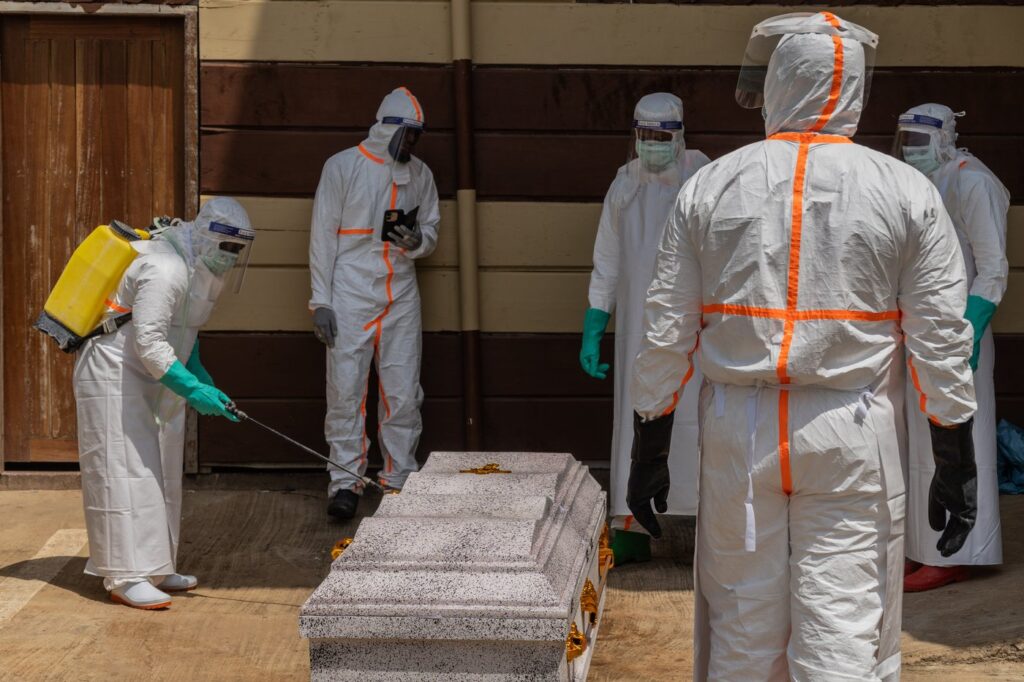
KINSHASA, Congo (AP) – The confirmed cases of Ebola in Congo have surged to 782, leading to 181 fatalities, according to a statement from the Congolese Ministry of Health posted on social media platform X on Sunday evening. The alarming increase in numbers highlights the ongoing battle against this deadly virus that has gripped the region.
It is important to note that the actual number of infections is believed to be higher than reported. The outbreak, officially recognized on May 15, was suspected to have started weeks earlier, which complicates efforts to accurately monitor and respond to the situation. Furthermore, the contact tracing rate stands at a concerning 56%, significantly dropping from the previous week, making it tougher to contain the spread.
The current outbreak is attributed to the Bundibugyo virus, a rare strain of Ebola that lacks approved vaccines or treatments. In contrast, the Zaire virus is responsible for the majority of Congo's previous 16 Ebola outbreaks. As of the latest reports, 56 individuals have successfully recovered from the virus, while the fatality rate has reached 23%, as detailed by the Ministry of Health.
This outbreak is primarily concentrated in Ituri province, located in eastern Congo. Over 90% of the reported cases are traced back to this region. Additionally, cases have spread into other provinces, including North Kivu and South Kivu, and have even crossed into Uganda. The situation has been exacerbated by severe humanitarian crises, with nearly one million people displaced due to ongoing conflicts in Ituri, making effective contact tracing exceedingly difficult. Displaced individuals often flee from violence or frequently relocate within the densely forested region, which is characterized by poor road infrastructure and remote villages that can take days to access.
The mobility of thousands of artisanal miners in the mineral-rich areas adds another layer of complexity to contact tracing efforts, further hindering public health responses. According to health officials, attacks on health workers by frustrated residents and skepticism about the outbreak are also significant barriers to halting the epidemic. Compounding these challenges are armed conflicts in hotspot areas, which create an environment of fear and chaos, complicating containment efforts.
In response to the outbreak, U.S. officials announced plans to send Americans exposed to Ebola abroad to a newly planned facility in Kenya instead of returning them home. This facility is set to be established at Laikipia Air Base and will accommodate up to 50 quarantine beds. This decision sparked protests regarding the establishment of an Ebola quarantine center in Kenya, with subsequent legal actions leading to the halt of these plans.
As the situation unfolds, the complexity of managing the Ebola outbreak in Congo continues to challenge both local and international health authorities. With the lack of effective treatment and vaccine options for the Bundibugyo virus, the urgent need for coordinated health responses has never been more critical.