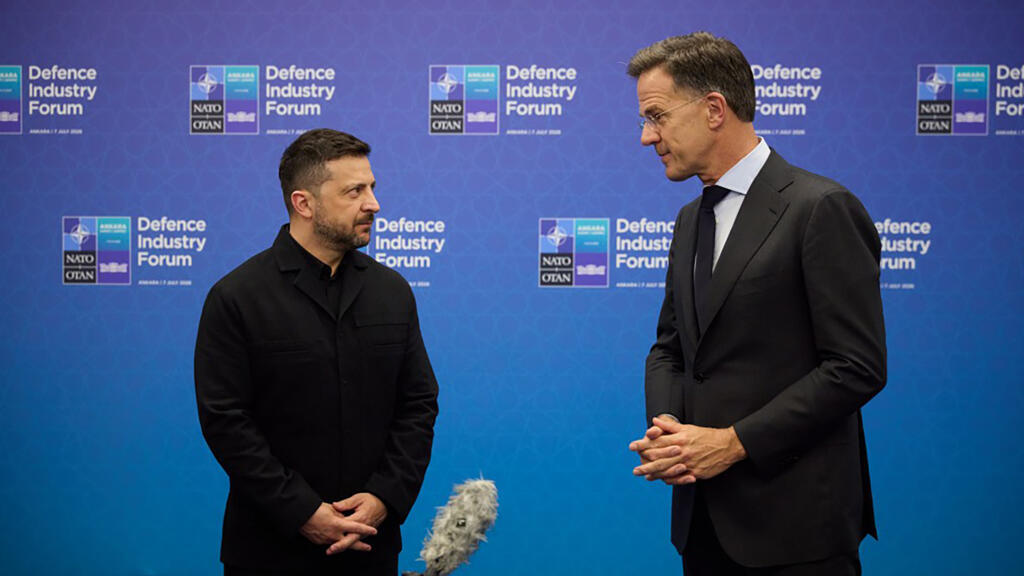
Ukraine Solidifies Defence Cooperation Through New Drone Agreements
On Tuesday, Ukrainian President Volodymyr Zelensky announced the signing of three significant agreements with Denmark, Estonia, and the Netherlands. These arrangements aim to facilitate the sharing of Ukraine's battlefield-tested drone technology, enhancing defense collaboration with NATO allies. This move comes in the context of ongoing Russian missile attacks, underscoring Kyiv’s urgent need to bolster its military capabilities.
Ukraine has been at the forefront of an evolving conflict with Russia, which has intensified since the beginning of the invasion in 2022. As the war continues to escalate, Zelensky's government is actively seeking partnerships to strengthen its defensive operations. By sharing drone expertise, Ukraine hopes not only to improve its operational efficiency but also to contribute to the collective security of NATO member states.
The agreements cover various aspects of drone technology, including design, production, and operational deployment. This collaboration is expected to facilitate knowledge transfer and joint training exercises, allowing Ukrainian forces to optimize their use of drones in combat scenarios. Given the strategic advantage that drones provide in modern warfare, particularly in reconnaissance and targeting, these agreements are seen as pivotal in enhancing Ukraine's military posture against Russian advances.
In recent months, Ukraine has increasingly relied on drone technology in its military strategies. These aircraft have proven to be critical in countering Russian forces, conducting surveillance, and delivering precision strikes. As a result, the sharing of advanced drone tactics and capabilities with allies such as Denmark, Estonia, and the Netherlands could prove beneficial for all parties involved.
Moreover, this partnership aligns with NATO’s objectives of ensuring collective defense and security among member nations. The alliance has been supportive of Ukraine since the onset of the conflict, providing military aid and training to Ukrainian forces. The incorporation of drone capabilities into these efforts may further enhance interoperability between Ukrainian and NATO forces, fostering a deeper integration and cooperation framework.
As part of its commitment to national defense, Ukraine is also expected to explore additional avenues for collaboration with other NATO allies beyond the recent agreements. The need for advanced drones and related technologies is likely to lead to more partnerships as the conflict progresses. This proactive approach signifies Ukraine's determination to remain resilient against external threats, while also contributing to broader regional security initiatives.
Overall, the drone agreements signed with Denmark, Estonia, and the Netherlands represent a strategic milestone for Ukraine as it seeks to strengthen its military capabilities in the face of ongoing aggression. With the support of NATO allies, Ukraine is taking decisive steps to enhance its defense mechanisms, thereby improving its chances of withstanding the challenges posed by Russian military actions.