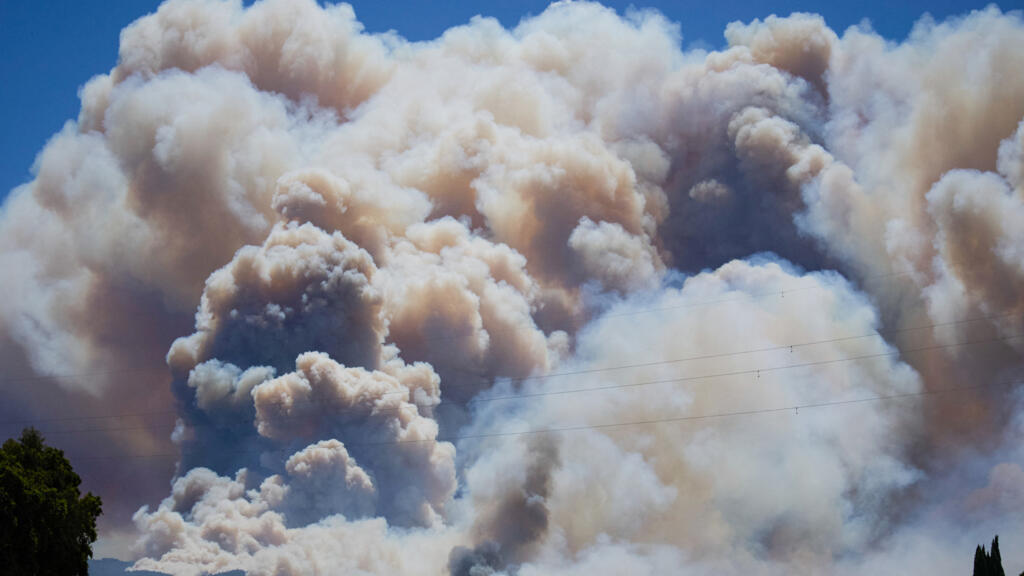
The European Union's climate monitoring agency reported on Thursday that Western Europe experienced its hottest June on record this year, primarily attributed to an intense heatwave affecting the region. This phenomenon has emerged as a notable highlight in the context of global warming, marking June as the hottest month ever documented on the continent known for its rapid climate shifts.
The extreme temperatures in Western Europe can be linked to a weather phenomenon known as a "heat dome." This high-pressure system acts similarly to a lid on a boiling pot, trapping heat beneath it and causing significant temperature increases. Countries across the region reported all-time high temperatures, with several national and monthly records shattered as a result of this meteorological occurrence.
This intense heatwave has impacted numerous countries, with residents experiencing sweltering conditions that are becoming increasingly common in recent years. Policymakers and scientists are raising alarms about the implications of such extreme weather events, pointing to the broader patterns of climate change that are evident in the data. The persistent rise in global temperatures and the frequency of heatwaves are of growing concern to environmental advocates and scholars alike.
In various regions across Western Europe, the impact of these soaring temperatures has been felt in multiple sectors, from health to agriculture. People are coping with heat-related stress, while farmers face challenges in crop yields due to the thermal stress on their fields. The situation underscores the urgent need for effective climate adaptation strategies to mitigate the adverse effects of such extreme weather events.
As experts analyze the data and strive to understand the long-term implications of this heatwave, the overall trends point to a troubling reality. The climatic conditions that have led to June’s record heat are anticipated to become more frequent as global warming continues unabated. Consequently, discussions on climate policy and the necessity for international cooperation in addressing climate change have gained renewed urgency.
The phenomenon experienced in Western Europe serves as a critical reminder of the challenges posed by climate change and the need for ongoing vigilance and action. With rising temperatures becoming the new norm, it is essential for governments, industries, and individuals to adapt to this new reality and work towards sustainable solutions that can mitigate the consequences of climate-related events.