The ongoing conflict between the U.S. and Iran has escalated, with days of strikes and counter-strikes across the Middle East threatening to unravel the interim deal aimed at ending the Iran war. This renewed violence has resulted in significant casualties, with Iranian officials claiming that U.S. strikes have killed over 35 people and injured more than 300. For the first time in this intense round of conflict, strikes have reached the vicinity of Tehran, Iran's capital.
Since the onset of hostilities, marked by a U.S. and Israeli offensive on February 28, Tehran has effectively closed the strategically vital Strait of Hormuz to shipping traffic. This blockade has caused a surge in the prices of oil, fertilizer, and various other goods, impacting global markets and granting Iran significant leverage in negotiations.
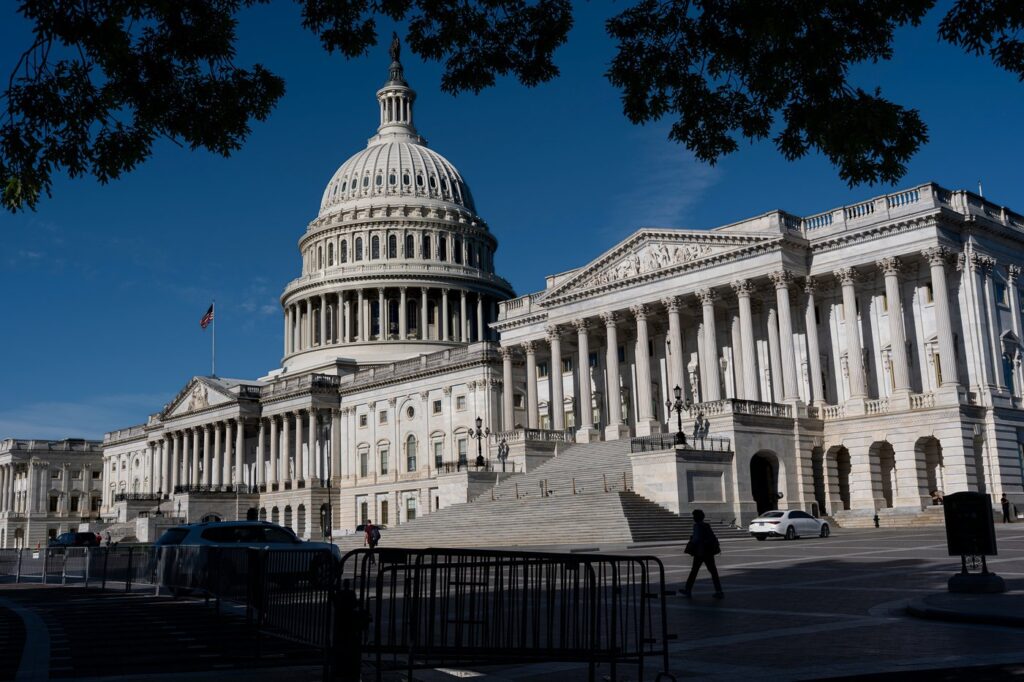
The rising prices pose a considerable challenge for U.S. President Donald Trump and his Republican Party, especially with the looming congressional elections in November. Despite efforts to reopen the waterway, Washington has struggled, leading to Trump reinstating the naval blockade on Wednesday. Iran's parliament speaker and chief negotiator, Mohammad Bagher Qalibaf, indicated that Iran is ready for a broader military confrontation should the U.S. fail to adhere to the interim deal's terms. The Revolutionary Guard has echoed this sentiment, threatening to halt all energy exports from the Middle East in response to the blockade, declaring that the export of oil and gas will be "either for everyone or for no one."
Trump stated on Wednesday at the U.S. Army War College that Iran is allegedly ready to negotiate a peace deal, though he did not provide further details. He remarked, "They don’t like what we’re doing, and they do want to settle. We’ll find out whether or not we settle with them, or we just finish it off."
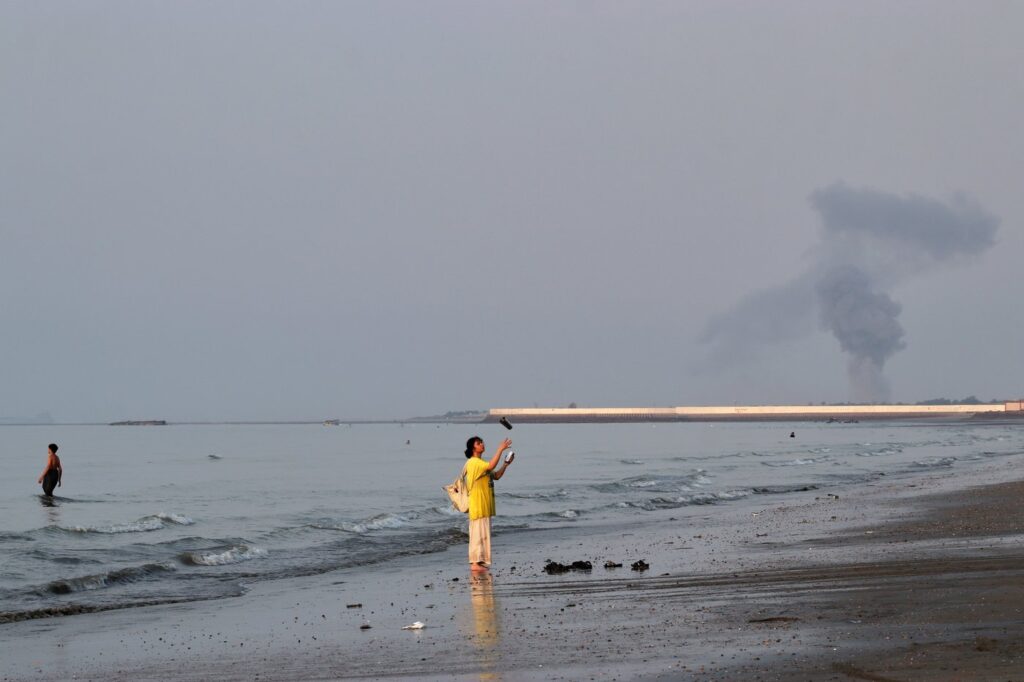
The series of U.S. strikes on Thursday targeted areas around Tehran and specifically Semnan province, known for its ballistic missile production and space program. The recently increased tempo of attacks saw daylight operations resumed, indicating a shift in U.S. military strategy. Notably, a strike on Greater Tunb Island—an essential point in the Strait of Hormuz—focused on Iranian defense and missile installations, according to Central Command reports.
In addition to land engagements, the U.S. military also engaged in maritime operations, firing on the Curacao-flagged oil tanker, Belma, which was suspected of breaching the naval blockade. After allegedly ignoring several warnings, a U.S. aircraft struck the vessel's smokestack with a missile. Another strike on Wednesday hit a barracks belonging to Iran's 388th Mechanized Infantry Brigade in Sistan and Baluchestan province, resulting in at least seven deaths, including both conscripts and career soldiers.
The Strait of Hormuz remains central to the conflict, with the U.S. struggling to navigate the challenges posed by Iranian actions in the waterway. Following the imposition of the interim deal, some vessels began using a route near Oman that is monitored by the U.S. military, allowing limited passage outside Iran’s jurisdiction. However, recent Iranian assaults on ships in that route have reignited hostilities, further complicating efforts to stabilize the situation.
The U.S. has suggested it may resort to military force to reopen the Strait, but analysts predict that this would necessitate a significantly larger naval presence or even ground forces, adding pressure to Iran in the interim. As these developments unfold, global oil prices are on the rise, with Brent crude trading above $85 a barrel—over a 15% increase since the conflict began—but still remaining under the nearly $120 reached during earlier escalations in hostilities.
As tensions continue to mount in the region, the stakes for both nations and their respective interests grow increasingly precarious, leaving the international community on edge as it watches for the next developments in this rapidly evolving conflict.