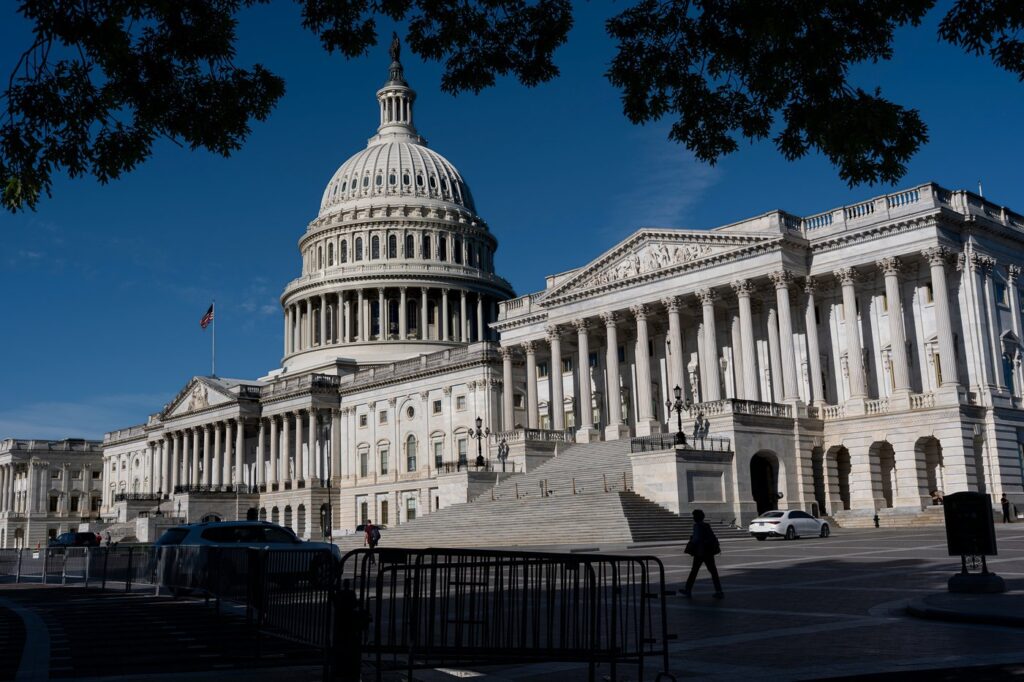
The House of Representatives passed a bill on Tuesday aimed at making daylight saving time permanent, with a significant majority voting in favor: 308-117. Proponents of the legislation, including officials from the White House, argued that this change would enhance the amount of daylight available during times when Americans are most active. The proposal, known as the "Sunshine Protection Act," would allow states to opt out if their legislatures choose to do so before the bill's enactment. However, the Senate must still approve the bill for it to become law, and its future in that chamber remains uncertain.
Representative Gus Bilirakis, a Republican from Florida, emerged as a strong advocate for the measure, stating that Americans are eager to "ditch the switch" of changing clocks twice a year. He highlighted the disruption brought about by the biannual clock changes and emphasized that more evening daylight would allow families to spend additional time outdoors and support local businesses. Bilirakis cited the importance of predictable daylight hours in Florida, a state where tourism plays a crucial role in the economy, benefiting workers, businesses, and visitors alike.
However, the proposal has faced opposition from various lawmakers who raise concerns about the potential implications of permanent daylight saving time. Critics argue that it could result in darker, more dangerous winter mornings, with children waiting for school buses and parents commuting to work in the dark. Representative Mary Gay Scanlon, a Democrat from Pennsylvania, expressed apprehension about the adverse effects this change could have on millions of Americans, who would be waking up before sunrise during the winter months.
Representative Jim McGovern, a Democrat from Massachusetts, supported the bill but questioned whether it was a priority given the pressing issues facing many Americans, such as rising rents and healthcare costs. He raised a critical question about the effectiveness of Congress spending time on daylight saving time reform in light of more immediate concerns affecting constituents.
A poll conducted in 2025 by The Associated Press-NORC Center for Public Affairs Research indicated that a majority of Americans would prefer to keep the extra hour of daylight in the evening. When given the choice for a national time standard, 56% of adults favored making daylight saving time permanent, sacrificing morning light for more evening daylight. Approximately 40% opted for standard time, which offers more light in the morning but less in the evening.
The White House expressed support for the Sunshine Protection Act prior to the House vote, labeling it a popular and sensible reform. They indicated that advisors would recommend the President sign the bill if it successfully passes through the Senate. Lawmakers have been interested in the implications of daylight saving time since its inception during World War II as a temporary measure in 1942. There was a Senate bill passed four years ago to make daylight saving time permanent, but it ultimately stalled in the House.
This recent legislative development demonstrates ongoing interest in the topic of daylight saving time, as well as the complexities surrounding it. As discussions unfold regarding the potential benefits against possible drawbacks, the final decision remains contingent upon the Senate's response to the House bill.