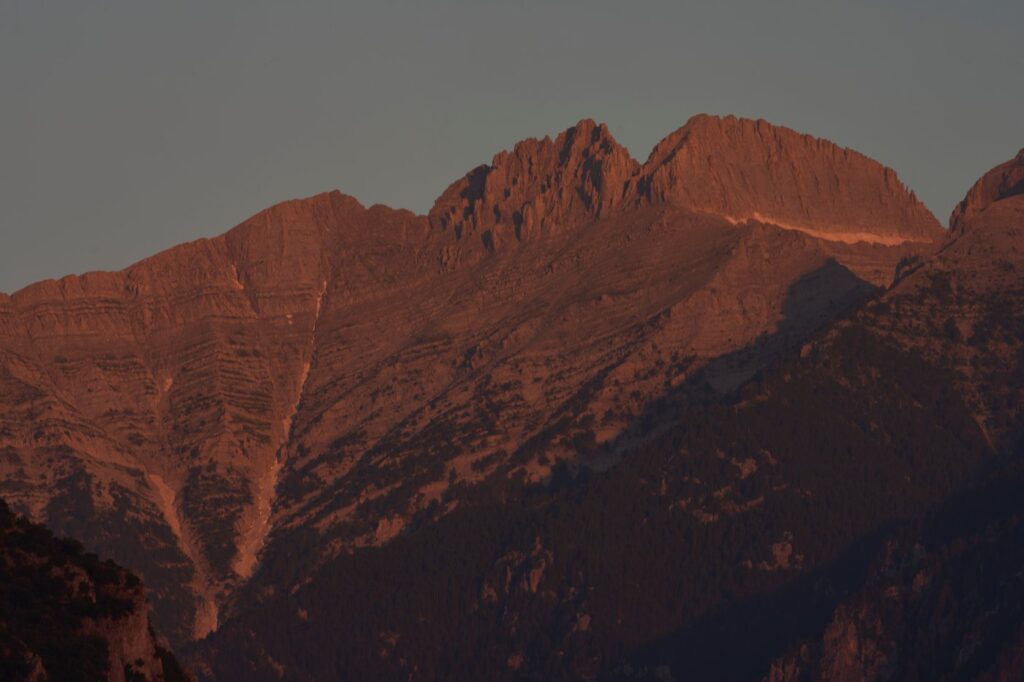
SEOUL, South Korea (AP) - The D-Day landing beaches located in northern France, along with Mount Olympus in Greece, have recently been inscribed to the prestigious World Heritage List at a U.N. committee meeting held in Busan, South Korea. This meeting, which will continue until Wednesday, began with a review of numerous nominations from around the globe.
The UNESCO committee highlighted the historical significance of the D-Day beaches, which include Omaha, Utah, Sword, Gold, and Juno beaches along with the Pointe du Hoc assault site. These locations were vital during the June 6, 1944, landings that marked a significant turning point in World War II, as over 150,000 Allied troops stormed the beaches to begin the liberation of Western Europe from Nazi rule.
The International Council on Monuments and Sites (ICOMOS), which assesses heritage nominations, noted the extensive remnants found at these sites, including bomb-scarred landscapes, German fortifications, Allied harbor structures, and sunken vessels. These elements are essential to understanding the pivotal event viewed as having restored freedom and initiated a lasting peace across Europe.
Amid rising concerns about sustainability, ICOMOS urged stronger monitoring and preservation efforts for these sites. Potential threats involve increased tourism, the impacts of climate change, rising sea levels, and the development of nearby wind farms. Ahlem Gharbi, France's permanent delegate to UNESCO, emphasized the timely significance of the designation, especially given the current global security challenges.
Mount Olympus, the legendary dwelling of the 12 Olympian gods, was recognized as a mixed cultural and natural heritage site after a 12-year effort by Greece. The mountain rises 2,918 meters (9,573 feet) above sea level and is considered not only a vital aspect of ancient mythology but also a biodiversity hotspot. Evangelos Geroliolios, the mayor of Dion-Olympus, expressed commitment to protecting the site amidst potential tourism pressures.
Georgios Koumoutsakos, Greece's UNESCO delegate, reiterated the country’s dedication to preserving Mount Olympus for future generations, aligning his remarks with the themes of responsibility found within Greek mythology.
The Japanese locations inscribed cover 19 archaeological sites from the ancient capitals of Asuka and Fujiwara in the Nara Prefecture. These sites, dating back to the 6th to 8th centuries, were instrumental in establishing Japan's first centralized state influenced by Chinese governance. The archaeological remains, which include royal palaces and Buddhist temples, are vital to understanding Japan's historical development.
Japanese Vice Culture Minister Shigeki Kobayashi expressed gratitude for the designation of the Asuka-Fujiwara sites, stating Japan's commitment to preserving this invaluable heritage for future generations. Japanese Prime Minister Sanae Takaichi shared her hopes that this recognition would enhance tourism to the area.
Notably, South Sudan's Boma-Badingilo Migratory Landscape was also included in this round of designations. This site is characterized by vast wetlands and flood plains and is a critical habitat for numerous animal species. The migration dynamics in this region support significant populations of wildlife such as elephants and lions, while also facilitating the livelihoods of various local communities engaged in traditional practices.
This recognition for these historical and natural landmarks underscores a global effort to preserve cultures and environments while fostering tourism and education around significant heritage sites.