WASHINGTON (AP) – The Trump administration has officially missed the deadline to petition the Supreme Court for a rehearing regarding its decision on birthright citizenship restrictions. This decision, which came down in June, resulted in a substantial legal setback for President Donald Trump on a key issue that he had prioritized.
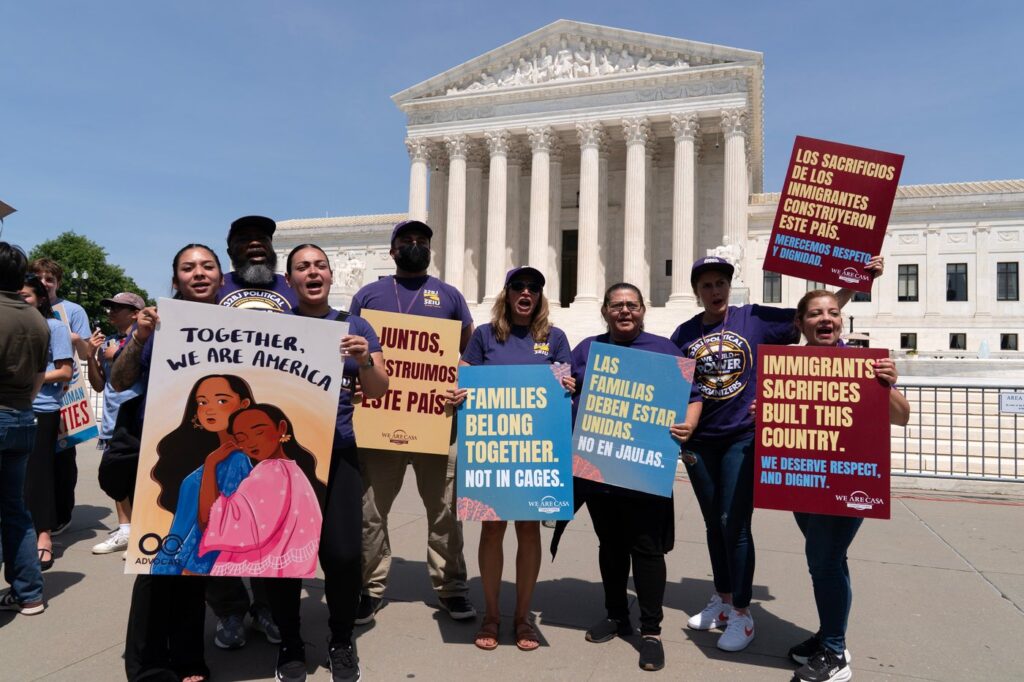
Following the Supreme Court's 6-3 ruling, the justices struck down Trump's executive order intended to deny automatic citizenship to children born in the United States to parents who are undocumented or temporarily in the country. Despite Trump's claims that he would seek a rehearing shortly after the opinion was announced, no such filing was made within the 25-day window that ended on Tuesday, with no activity recorded on the court's docket.
The barriers to successfully obtaining a rehearing are significant. Historically, the Supreme Court has not agreed to reconsider a previously argued case in more than 50 years. This trend raises the stakes for any future attempts to overturn the recent ruling. The failed effort to impose restrictions on birthright citizenship had already faced legal challenges and blockades in multiple lower courts before the Supreme Court's final decision ensured that the measures had no legal effect nationwide.
In the Supreme Court's opinion, three justices—Samuel Alito, Neil Gorsuch, and Clarence Thomas—expressed their support for upholding Trump's proposed changes to birthright citizenship. Meanwhile, Justice Brett Kavanaugh stated that although the Constitution would not inherently prevent the president's efforts, it would violate existing federal law.
One week after the Supreme Court's adverse decision, Trump took to social media to announce his intention to petition for a rehearing, emphasizing his commitment to the issue. However, the lack of subsequent legal action suggests that this pursuit has either been tabled or deemed impractical by Trump’s legal team.
The administration's silence has extended to the White House and the Justice Department, both of which did not return inquiries regarding the matter. Legal experts emphasize that the odds are slim for any successful petition, given the high prevalence of judicial precedent against granting rehearings. According to Aaron-Andrew Bruhl, a law professor at William & Mary Law School, the last time the Supreme Court approved a petition to revisit its decision was in 1965, and the last reversal of a decision occurred even earlier, in 1956.
The implications of these developments are profound for immigration policy, especially related to birthright citizenship, a contentious issue in American politics. While Trump and his administration aim to pursue stricter immigration controls, the legal mechanisms to implement such changes appear limited in light of recent judicial outcomes. As of now, the administration’s efforts to redefine the parameters of citizenship based on immigration status have been thoroughly rebuffed by the highest court in the land.