Recent Attack on Kyiv Resulting in Casualties
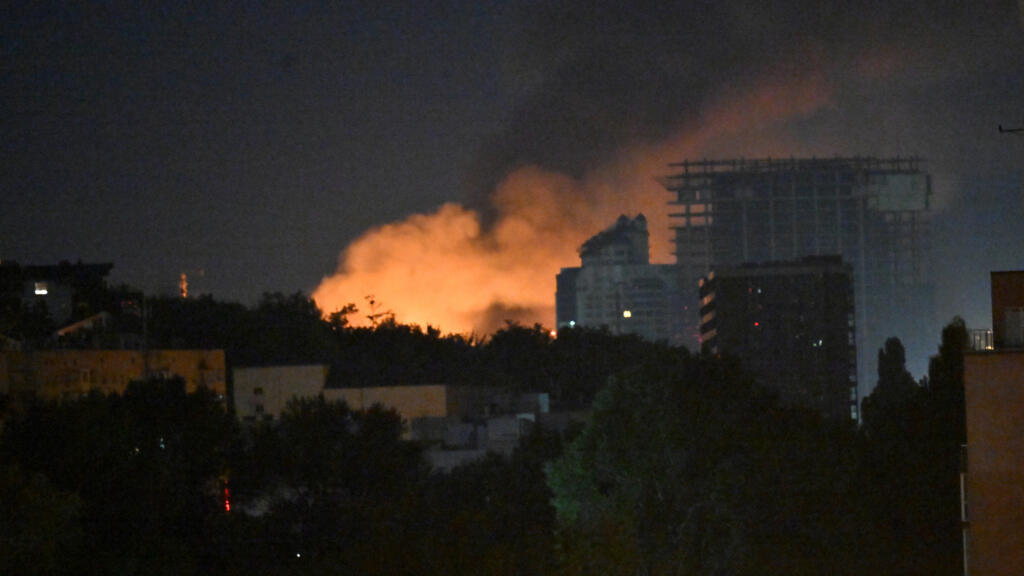
In a tragic escalation of violence, at least nine people were killed, and 28 others were wounded in a series of ballistic missile strikes launched by Russia in Ukraine's capital, Kyiv. This attack occurred overnight into Saturday, demonstrating a significant uptick in hostilities between the two nations. Authorities in Kyiv have confirmed these figures, reflecting the ongoing intensity of the conflict in the region.
Over recent months, both Russia and Ukraine have significantly increased their military operations, with Moscow notably ramping up its long-range attacks targeting various towns and cities across Ukraine. The situation in Kyiv has become increasingly precarious, as officials report that civilians are bearing the brunt of these aggressive military campaigns.
The recent shelling in Kyiv appears to be part of a broader strategy by Russia to assert its military dominance and instill fear among the Ukrainian population. Such missile strikes have targeted civilian areas, further highlighting the tragic consequences of the ongoing war. As reports of devastation continue to emerge, the international community watches closely, concerned about the potential for further escalation.
Moreover, the conflict has seen a shift in tactics, with both sides engaging in more brutal confrontations. The frequency of missile strikes and other forms of artillery bombardments has surged, raising alarms about the humanitarian implications for the affected populations. The increasing number of casualties and injuries underscores the urgent need for a ceasefire and diplomatic resolution to avert further loss of life.
Kyiv, once viewed as a resilient symbol of Ukraine's fight for sovereignty, now grapples with the harsh reality of ongoing war. The psychological impact on civilians, amid constant threats of missile strikes, cannot be overstated. Residents live in a state of anxiety, with sirens warning of incoming attacks becoming a part of daily life.
International reactions to the violence have been vocal, with calls for accountability and support for Ukraine. Many nations have actively condemned Russia's aggressive actions and offered aid to strengthen Ukraine's defense capabilities. While there have been diplomatic attempts to negotiate peace, the persistent cycles of violence pose challenges to these efforts.
As the situation develops, the impacts of these military actions extend beyond immediate physical harm. The fabric of Ukrainian society continues to be tested, as families are torn apart, and communities are devastated. The international community remains engaged, seeking pathways to facilitate peace and rebuilding efforts once the fighting ceases.
In conclusion, the attack on Kyiv marks a distressing reminder of the ongoing conflict between Russia and Ukraine. As the death toll rises and injuries mount, the need for a sustainable resolution becomes increasingly urgent. The world watches as both nations navigate this turbulent chapter in their histories, hoping for a return to peace.