In a significant announcement on Saturday evening, U.S. President Donald Trump revealed via social media that he would order American forces to refrain from launching new strikes against Iran. This decision comes amid claims that U.S. allies in the Middle East have outlined parameters for a potential deal aimed at resolving the ongoing five-month war.
Trump indicated that the proposed deal would entail the "Immediate, Complete, and Total OPENING OF THE HORMUZ STRAIT," as well as the cessation of Iran’s nuclear threats. He expressed a willingness to cancel any attacks contingent upon the ability to quickly reach a satisfactory agreement, highlighting a desire for both global stability and prosperity for Iran.
Israel is reportedly on board with the U.S. commitment to negotiate an agreement that would seek to bring an end to the conflict, which has heightened tensions in the region. Saudi Crown Prince Mohammed bin Salman raised concerns during a phone call with Trump about the potential for increased hostilities between the U.S. and Iran, particularly regarding possible Iranian retaliation against Saudi energy infrastructure and Gulf allies.
In the lead-up to this announcement, Kuwait reported responding to new drone attacks attributed to Iran. The strikes occurred while a tanker was hit in the crucial waterway. The attacks came as Iran has been accused of targeting vessels that attempt to transit through the Strait of Hormuz without its consent, which is part of its wider conflict with the U.S. and its allies.
The escalating violence has prompted the U.S. State Department to issue new security alerts for American citizens traveling in ten Middle Eastern countries—including Bahrain, Israel, Iraq, Jordan, Kuwait, Lebanon, Oman, Qatar, Saudi Arabia, and the United Arab Emirates—advising heightened caution due to the increasing tensions surrounding Iran.
On Friday, Trump had threatened further military action against Iran while emphasizing a desire to ensure the reopening of the Strait of Hormuz. In a Cabinet meeting held at Camp David, he stated the U.S. intended to exert heavy pressure on Iran, aiming for a decisive victory in the region.
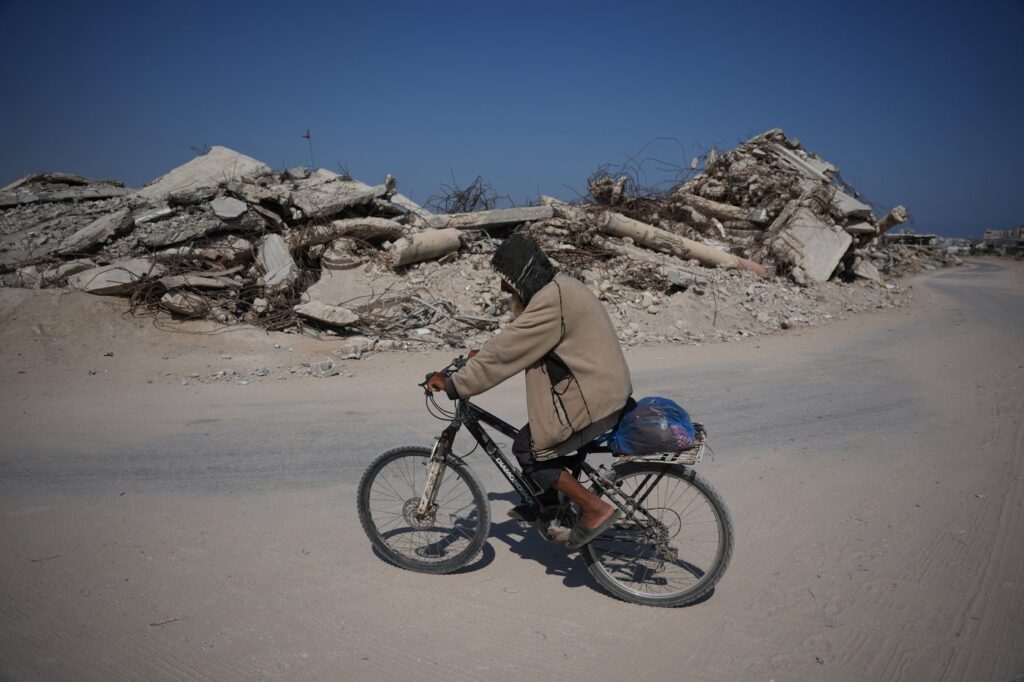
The interplay between tensions in Iran and ongoing conflict in Gaza was underscored Saturday, with Israel launching heavy strikes against Hamas targets following the group’s recent announcement regarding disarmament. Despite these developments, skepticism remains among Palestinians in Gaza regarding the disarmament plan, especially amid continuing humanitarian struggles.
In addition, a separate update noted that Israeli military operations targeted a tunnel network used by Hezbollah militants in southern Lebanon, which included detonating explosives near a historical site. The military engagement from both sides reflects a fraught and volatile situation where military action continues to escalate amid diplomatic efforts.
As the geopolitical landscape evolves with these announcements, the ramifications for regional stability remain to be seen, particularly with the potential ramifications of the proposed Iran deal. The situation continues to develop, with international leaders closely monitoring the outcomes of these communications and military actions.