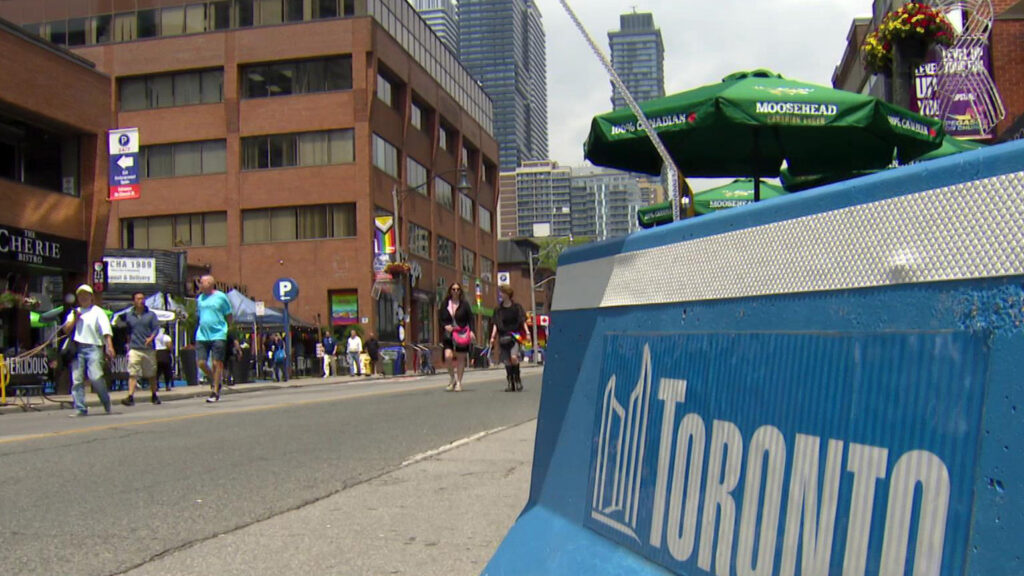
The Church-Wellesley neighborhood of Toronto saw two busy blocks reopen to vehicle traffic after a nine-week pedestrianization pilot project, which took place starting in June. The initiative aimed to give pedestrians more space in the heart of The Village, drawing inspiration from similar pedestrianized areas in cities like Montreal and Vancouver.
Initially met with skepticism from some Toronto City Hall officials, the project was championed by Chris Moise, the councillor for Ward 13 Toronto Centre. Moise described the initiative as a "huge success" in an interview, sharing that over 100 volunteers signed up to assist with the pedestrianization. He personally visited the area multiple times during the project and noted the excitement generated by the increased pedestrian activity.
Moise expressed disappointment at the project's conclusion, calling it one of his "top accomplishments" as a councillor. Throughout the planning phase, he faced significant pushback from various city departments, including police and transportation officials. Initially, police requested 24/7 policing at an estimated cost of $3 million, a figure Moise deemed unfeasible. Ultimately, he negotiated to employ 24-hour security instead, which reduced the final budget to approximately $500,000. Funded by the Church-Wellesley Business Improvement Association (BIA) and community donations, the project did not cost taxpayers any money.
Business Report Increases in Sales and Customers
While city officials are still assessing the total visitor numbers and revenue generated during the nine-week pedestrianization, several local businesses reported increased sales and foot traffic. Jaret Sereda, the executive director of the Church-Wellesley BIA, noted that businesses typically see a drop in activity following Pride month, but this year was different. He remarked that the pedestrianization brought many visitors to the area, making it a unique experience for both locals and tourists.
Specific businesses, like the vegan burger shop Soy Boys, reported substantial increases in sales during the pilot project. Employees indicated that there was a notable influx of first-time customers, as the pedestrian-friendly environment enhanced community engagement. One line cook at Soy Boys stated that business improved by 10 to 20 percent due to the project, citing increased walkability and a stronger sense of community in the neighborhood.
Overwhelming Neighborhood Response
Community advocate Rodney Chan, who initially suggested the pedestrianization to Moise, highlighted the overwhelming support from locals during the project's duration. Chan spoke to hundreds of individuals who expressed appreciation for the initiative, emphasizing the need for peaceful gathering spaces outside the typical nightlife and drinking environments in the area. He believes that the pilot project has the potential to bring significant change to urban planning in Toronto and sees opportunities to expand pedestrian-only zones to other neighborhoods.
Chan mentioned that many have expressed interest in having pedestrian streets in their areas, particularly in well-suited locations like Cumberland Street in Yorkville and Baldwin Street in Kensington Market. He envisions extending the project duration, perhaps from May 1 until the end of October, covering the period from Pride until Halloween. Furthermore, Chan indicated a desire to expand the pedestrianized area by adding more blocks.
For the project to return in 2024, Chan urged city officials to demonstrate greater support, particularly concerning logistics like vehicle mitigation and garbage collection. He stressed the need for funding, as much of the current financing relies on contributions from the BIA and sponsors.