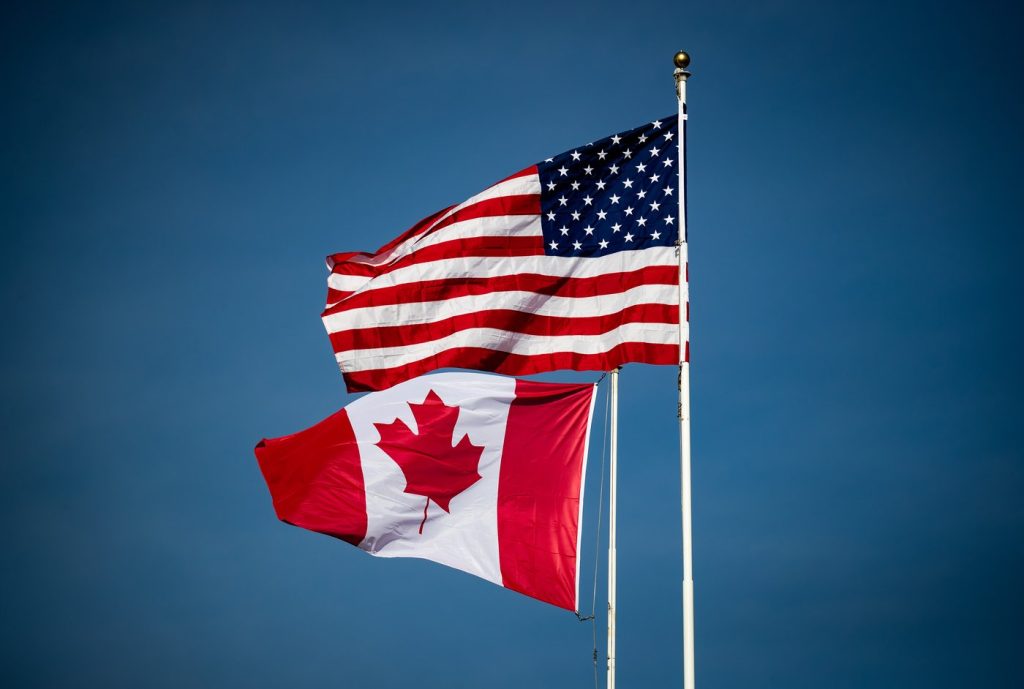
Border communities between Canada and the U.S. are preparing for further economic consequences as trade talks have failed and both nations find themselves entrenched in a tariff dispute. The situation escalated on August 24, 2026, leading to heightened tensions and fears of economic downturn.
Mayor Mike Bradley of Sarnia, a significant Ontario city known for its petrochemical industry, has expressed concern that the ongoing trade dispute could be a "job killer" for his community. The city is a substantial exporter of plastics, which are included in the new tariffs imposed by the U.S. Bradley supports the federal government's response but cautions that public support may wane when the tangible effects of job losses and industry struggles begin to surface. He emphasized the importance of unity among leaders during this turbulent time.
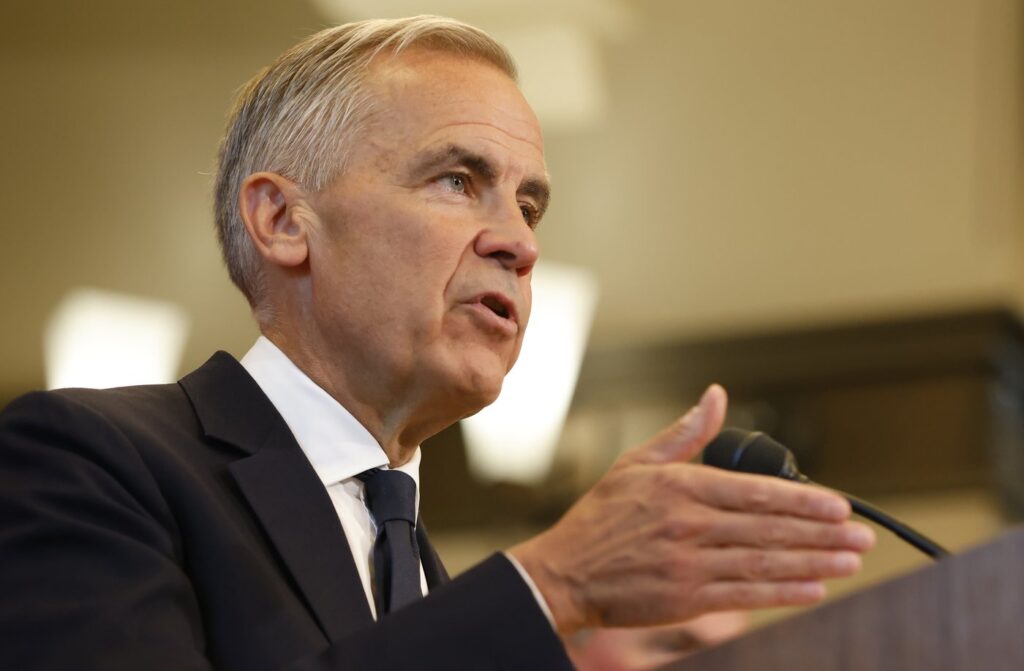
In response to the U.S. imposing 50 percent tariffs on about $28 billion worth of Canadian goods, Prime Minister Mark Carney has pledged a reciprocal approach. Canada's retaliatory tariffs are set to take effect on September 8, targeting various sectors including steel, dairy, pulp and paper, electronics, and appliances. This retaliation comes following failed trade negotiations, highlighting the strained economic relationship between the two nations.
The situation became more precarious when U.S. President Donald Trump threatened to impose 50 percent tariffs on Canadian vehicles and auto parts starting January 1. This threat adds to existing tariffs on steel, further complicating trade dynamics. Windsor, Ontario, a hub for Canada's automotive industry, has raised alarm about the potential job losses that would result from such levies. Mayor Drew Dilkens is hopeful that rational decision-making will prevail, especially given the approaching U.S. midterm elections, which could serve as a platform to showcase the detrimental impacts of tariffs on American families and businesses.
Dilkens remarked on the negative implications of Trump's stance against Canada, arguing that it could backfire significantly on the U.S. However, he also acknowledges that there will be "casualties" along the way if the tariffs remain in place for an extended period.
Several Democratic governors from U.S. border states have publicly opposed the federal government's tariff strategy over the weekend. Michigan Governor Gretchen Whitmer highlighted that her state's residents are "uniquely impacted" by the ongoing trade conflict, mentioning that tariffs increase costs for families and businesses while jeopardizing the state’s automotive sector. Meanwhile, New York Governor Kathy Hochul criticized President Trump's actions as "needlessly picking fights" with allies, calling into question the long-term wisdom of such an approach.
The growing trade tensions and the imminent deadline for retaliatory tariffs have put communities across the border on high alert. Officials on both sides are expressing anxiety about the future, underscoring the intricate connection between U.S. and Canadian economies. As the situation develops, leaders are calling for solidarity and rational discourse to navigate what may become a deeply damaging trade war.