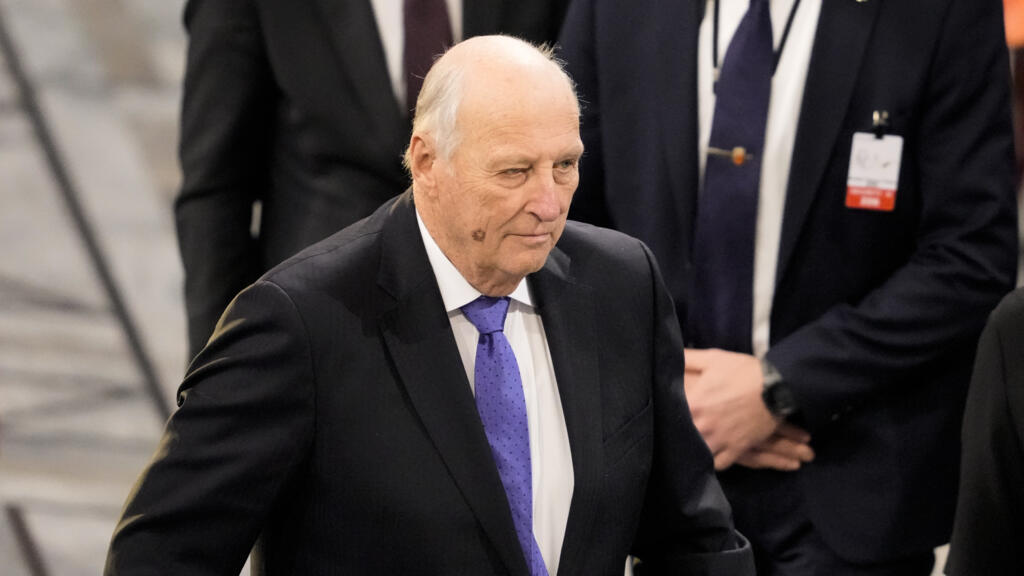
King Harald V of Norway, who was the oldest reigning monarch in Europe, passed away at the age of 89, as announced by the royal palace on Friday. His long reign and dedication to the Norwegian people have left an indelible mark on the country.
Born on February 21, 1937, King Harald V ascended to the throne on January 17, 1991, after the passing of his father, King Olav V. Throughout his reign, King Harald demonstrated a strong commitment to constitutional monarchy and public service, representing Norway domestically and internationally with grace and dignity. He played a significant role in fostering Norway's democratic values and maintaining the monarchy's relevance in contemporary society.
King Harald was also known for his passion for sailing and sports, which endeared him to many Norwegians. His love for outdoor activities, alongside his deep appreciation for Norwegian culture and traditions, contributed to his popularity among the citizens. The king was often seen participating in various national events, showcasing his dedication to the nation and his people.
With the death of King Harald V, the Norwegian crown now passes to his son, King Haakon VIII, the former Crown Prince. Born on July 20, 1973, King Haakon has been groomed for his role from a young age and is expected to carry on the legacy of his father while modernizing the monarchy in line with contemporary societal values.
King Haakon's ascension to the throne comes at a time when the monarchy faces challenges typical of 21st-century royal families, including the need to remain relevant in a rapidly changing world. He has demonstrated a keen interest in social issues, particularly concerning welfare, climate change, and global cooperation. His focus on these themes may help the monarchy adapt to the evolving expectations of the Norwegian people.
The transition of the monarchy from King Harald V to King Haakon VIII marks a significant moment in Norwegian history, as it reflects both continuity and change. While King Harald's reign is characterized by stability and tradition, King Haakon's youthfulness and progressive outlook may usher in a new era for the royal family. The public's response to this transition will likely shape the future trajectory of the monarchy in Norway.
As Norway and the world mourn the passing of King Harald V, a period of reflection on his contributions and the values he embodied has begun. His commitment to fostering unity, compassion, and national pride stands as a testament to his dedication as a monarch. King Harald's legacy will continue to influence the values that guide Norway, inspiring future generations.
In conclusion, the royal family, alongside the Norwegian people, now embarks on a new chapter under the reign of King Haakon VIII. The successful blend of tradition with innovation will be crucial for the monarchy's role in modern Norway.
```