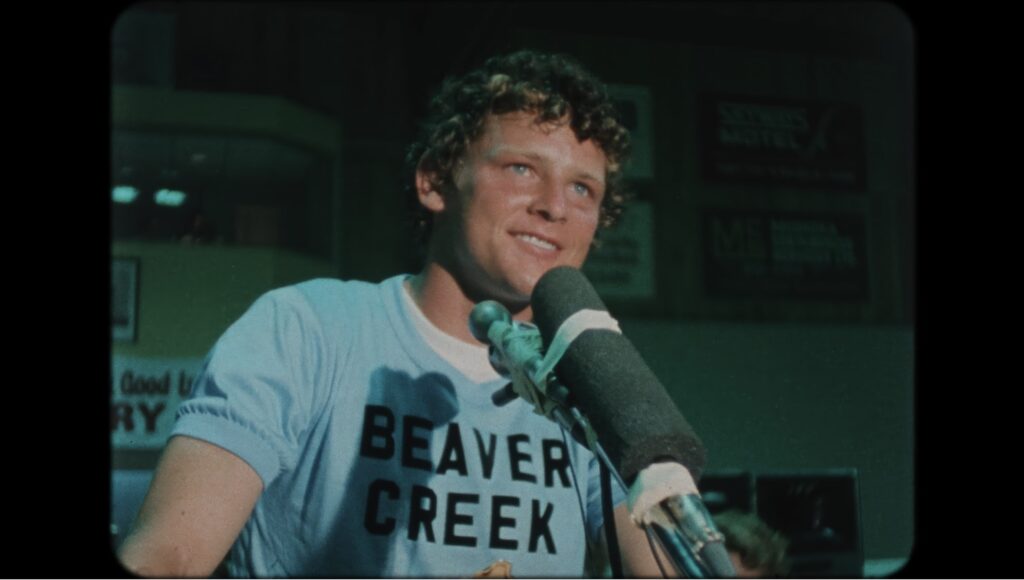
On April 12, 1980, Terry Fox embarked on his Marathon of Hope with the goal of running across Canada to raise funds for cancer research. At just 21 years old, Fox had already faced immense challenges, having lost his right leg to cancer as a teenager. His mission was to transform his personal struggle into a source of hope for others battling the disease.
As he traveled from St. John's, Newfoundland, through Atlantic Canada and into Ontario, Canadians were captivated by his journey, following his daily progress on television news broadcasts. Tragically, after 143 days and covering over 5,000 kilometers, Fox's run was halted when he received the devastating news that his cancer had returned and metastasized to his lungs.
While many are familiar with Fox's remarkable story, a new documentary titled Run Terry Run aims to delve deeper into his life and the impact he had on others. This film takes viewers on the road alongside Fox, providing an intimate look at the day-to-day aspects of his extraordinary journey. It humanizes him, portraying him as an inspiring role model and offering a profound understanding of why he resonates so deeply with Canadians.
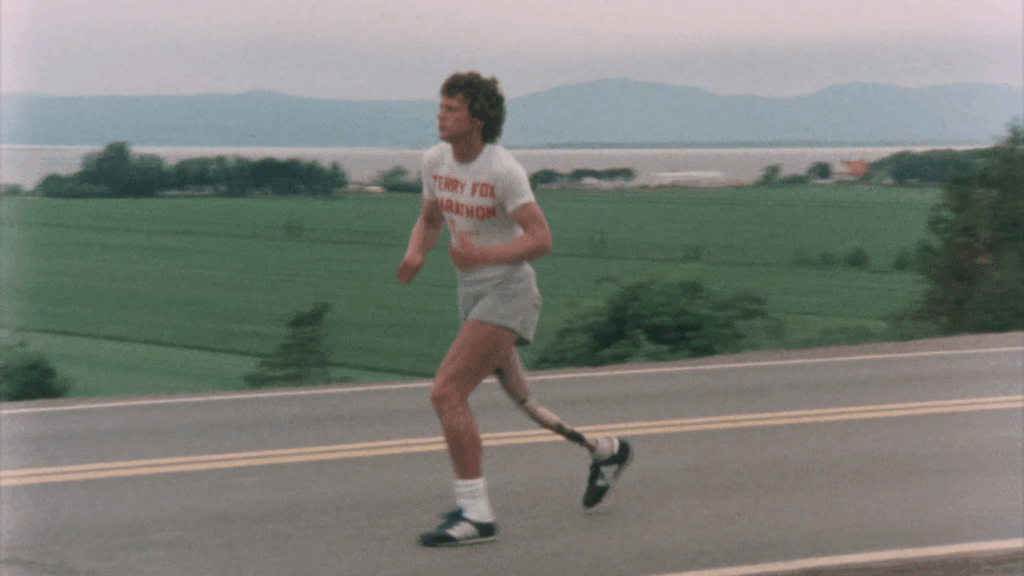
The powerful images from this time depict Terry running alone along expansive stretches of highway; however, he was actually supported by a small team throughout this journey. His best friend, Doug Alward, managed the support van, while his brother, Darrell Fox, joined him for the closing 93 days of the 143-day run.
CityNews spoke with Darrell Fox and Run Terry Run director Sean Menard to gain further insights into the making of the documentary.
CityNews: Darrell, Terry has become an iconic figure in Canada. What do you think people still might not understand about him?
Darrell: I've shared my brother's story many times, but I don’t feel I’ve ever done it justice. Run Terry Run captures the essence of his journey, allowing viewers to experience what I witnessed firsthand in 1980. The miracle of what Terry achieved every day—waking up at 4:30 AM, running for 10 to 12 hours, while also managing multiple media engagements—was exhausting for everyone involved, including myself, who was only supporting him from the van.

Now, with Run Terry Run, I can direct people to this film instead of trying to explain everything. Everyone knows who Terry was and his mission, but the details presented in the documentary are what make it so powerful and moving.
CityNews: The documentary utilizes minimal voiceover and focuses heavily on visuals. Sean, can you elaborate on that choice?
Sean: My goal was to create the definitive Terry Fox film by only featuring those who were present with him during the Marathon of Hope. I avoided traditional sit-down interviews to maintain a timeless feel and to authentically depict that magical summer of 1980 through the eyes of those who lived it.
CityNews: Darrell, was there a particular moment during the marathon that you recognized it had grown beyond your expectations?
Darrell: I felt it on the very first day. I had been there throughout Terry's training, so to see him fulfilling his dream on that first day was unforgettable. I could sense that as he approached Ontario, the public interest would only grow larger.
CityNews: Do you think Terry would be comfortable with the iconic status he has attained in Canada?
Sean: From my understanding, Terry would have likely been uncomfortable with being put on a pedestal. However, if it means raising awareness and funds for cancer research, he would accept that role. But he wouldn’t be the type to seek out the spotlight.
Darrell: Terry would feel uneasy with this level of fame. As depicted in Run Terry Run, he expressed discomfort when praised at the height of his success in Scarborough Centre. Throughout the Marathon of Hope, he remained the same humble person from his small-town beginnings, despite achieving fame and fortune.
Sean: There’s an impactful moment in the film where Doug shares Terry’s belief that if he had to walk, it wouldn’t count. He was committed to running every step of the journey.

CityNews: Is there a common misconception about Terry or the Marathon of Hope that you would like to clarify?
Sean: It was crucial for me to make this film after overhearing an educator explaining that Terry only walked across Canada. He ran every step of the way, and that commitment is central to his legacy.
Darrell: People often mistakenly say it was a “walk.” Terry was relentless in his pursuit of his goal, running every step. He believed that if he didn’t run the entire distance, he would be letting down those still suffering from cancer. His dedication is a testament to his integrity.

CityNews: Is there a specific moment of footage that stood out to you?
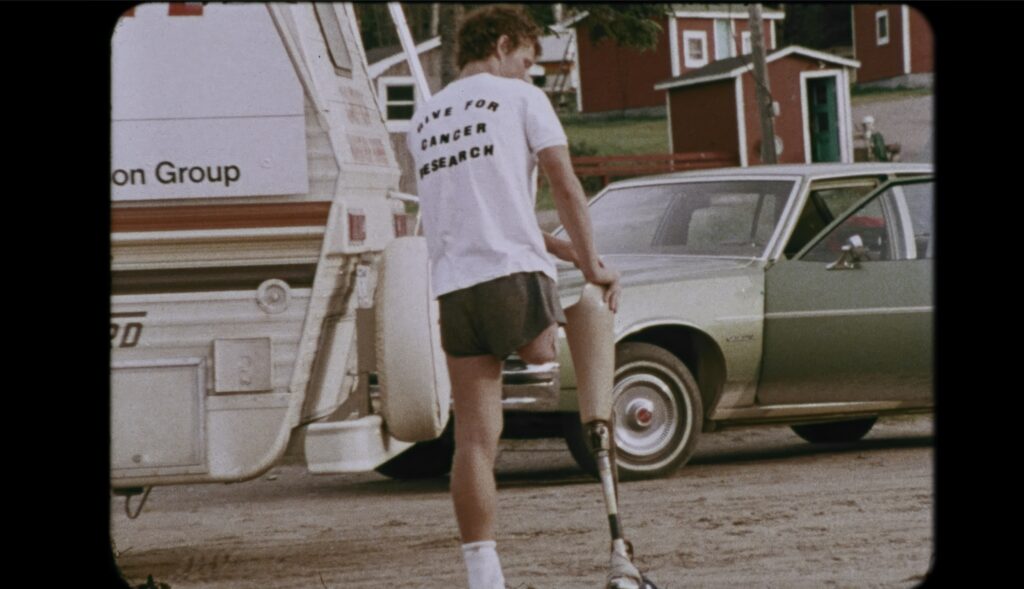
Sean: One of the first reels I discovered was silent footage of Terry running uphill for three and a half minutes. His determination was palpable in the detail—seeing him adjust his prosthetic and observing his iconic running style.
Darrell: The long clips of Terry running are incredible, transporting me back to 1980. Hearing his voice in new footage adds a deeply personal layer to the experience.
CityNews: Given the challenges he faced, what does 'keep going' mean to both of you after making this film?
Darrell: We’ve been carrying on Terry's legacy for 46 years, amplifying his message long after he stopped running. The Marathon of Hope continues every year, a sign that we won't cease until cancer is eradicated. I am confident that one day, cancer will be a manageable disease instead of a death sentence!
Run Terry Run (dir. Sean Menard, 111 min.) premiered at the Toronto International Film Festival in September and had two more screenings at the Vancouver International Film Festival before its general release on Friday, October 9.