Protests Erupt in Madrid Following the Death of Maricarmen Abascal
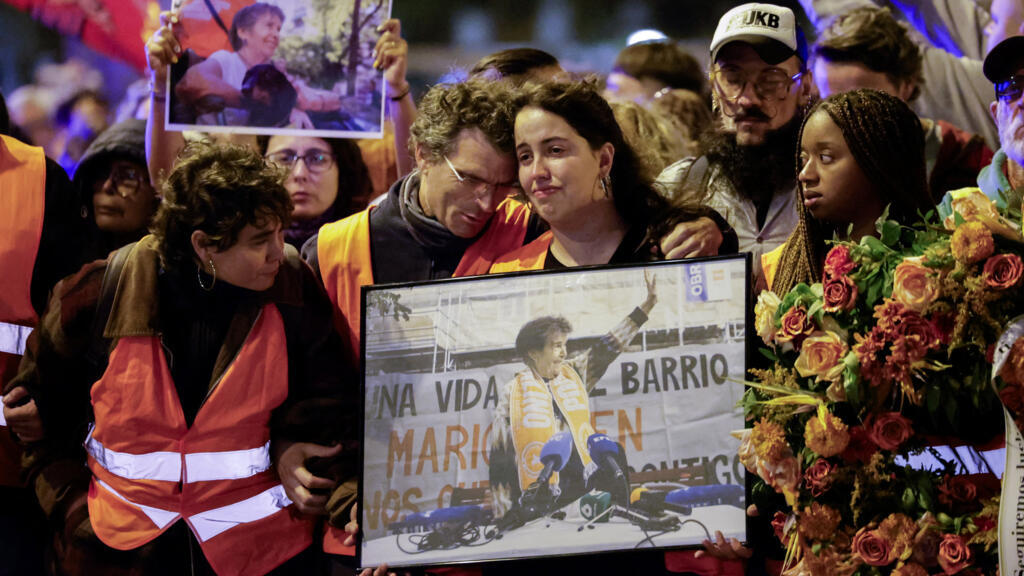
Tens of thousands of protesters gathered in Madrid on Thursday to commemorate Maricarmen Abascal, an 87-year-old retiree whose recent death has ignited a nationwide conversation about housing issues in Spain. Abascal's eviction from her apartment in the Spanish capital in September was a catalyst for widespread protests and has significantly influenced the political landscape, prompting the government to call for early elections.
The march, which took place in the heart of Madrid, saw individuals from various demographics united in their demand for housing rights and reforms. The tragic circumstances surrounding Abascal's eviction drew increased attention to the plight of vulnerable populations, particularly the elderly and low-income families, who are facing similar housing challenges. Many protesters carried banners and placards asking for justice and advocating for the right to housing, highlighting the urgent need for systemic changes in Spain’s housing policies.
Abascal's case became emblematic of a larger national crisis regarding affordable housing and eviction practices in Spain. As renters and homeowners grapple with rising costs and insufficient protections, the public outcry against evictions has gained momentum. Activists argue that the government must take action to prevent such situations from recurring, particularly in urban areas where housing demand is outstripping supply. The emotional impact of Abascal's story resonated throughout the demonstration, with many attendees recalling their own struggles against eviction and housing insecurity.
The march was not just a tribute to Maricarmen Abascal but also a call to action for all political leaders. As the government gears up for early elections triggered by the housing crisis and public dissatisfaction, the issue has become a central topic in political discourse. Lawmakers are now faced with the challenge of addressing the demands of constituents who are increasingly vocal about their frustration with current housing policies and practices.
In light of this growing discontent, various political parties are revising their platforms to include more robust housing policies, aimed at curbing evictions and making housing more accessible to all citizens. This evolving political landscape reflects the urgent need for a solution to the ongoing crisis, as public sentiment continues to shift toward prioritizing the right to secure and affordable housing.
As the waves of protests continue to ripple through Madrid and other Spanish cities, the legacy of Maricarmen Abascal serves as both a reminder of the human cost of the housing crisis and a catalyst for change. The government and political leaders will need to respond to this public outcry effectively, addressing the systemic issues that have led to such tragedies in the first place. Whether this movement will lead to substantial changes in housing policy remains to be seen, but one thing is clear: the fight for affordable housing in Spain is far from over.