PENSACOLA, Fla. — Residents in the Florida Panhandle and southern Alabama began cleanup efforts following Hurricane Isaias, which made landfall as a Category 2 storm on Friday near Destin, Florida. The storm later contributed to severe flooding in North Carolina over the weekend, with its remnants generating dangerous conditions along the southeastern coast.
In western North Carolina, the National Weather Service reported rivers overflowing due to heavy rainfall that increased the risk of flash flooding. Residents were warned of potential tornadoes in parts of Virginia and North Carolina, as well as hazardous surf conditions along the Gulf Coast.
The aftermath of Isaias has been deadly, with at least four fatalities reported. In Escambia County, Florida, Sheriff Chip Simmons noted that a woman lost her life when a tree fell on her home, while another man died due to carbon monoxide poisoning from a generator running in his garage. In Birmingham, Alabama, a man was killed when a tree fell on his house, and a second storm-related death resulted from a vehicle crash involving a downed tree in Barbour County.
Flooding conditions intensified in North Carolina as an unhoused couple and their dog were rescued from the Catawba River after being caught off guard by rising waters. Additionally, a woman trapped in her car in floodwaters was also rescued outside of Morganton. In McDowell County, emergency responders dealt with multiple landslides and conducted voluntary evacuations due to flooded roads.
Rain totals in western North Carolina reached up to 9.57 inches (24 centimeters) at the Enola fire/rescue station. Although the rainfall was subsiding, the risk of rapid river rises and additional flooding remained significant.
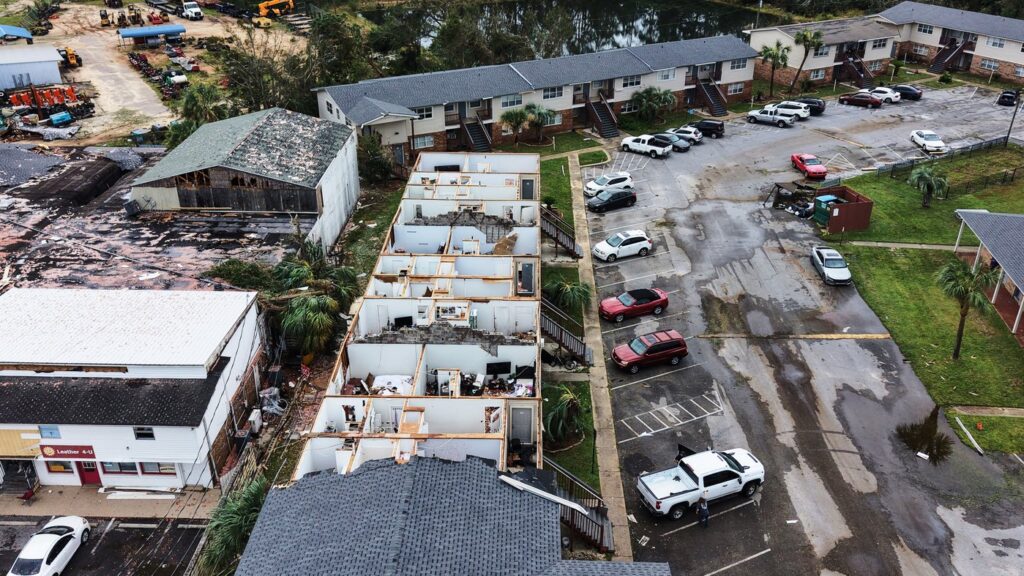
In the Florida Panhandle, Hurricane-force winds from Isaias caused significant damage, blowing off roofs and flattening structures. A notable casualty was the strip of beachfront properties, where a large hotel in Pensacola lost parts of its roof. Local residents lined up for supplies at a church in Pensacola, with many, like Yvette Haro, expressing concerns over food spoilage due to a power outage affecting around 226,000 customers across the region. Florida Governor Ron DeSantis anticipates that power restoration efforts will conclude by Tuesday night.
As Isaias dissipated, another storm, Rachel, transitioned into a post-tropical cyclone, generating unusually large waves along the Southern California coast. This caused significant erosion along the beachfront and compelled evacuations along parts of the Long Beach peninsula in response to deteriorating conditions.
According to Joe Sirard from the Oxnard weather service, the Pacific Ocean's temperature is approximately 7 to 8 degrees Fahrenheit above average, primarily due to the El Niño weather pattern. The unusual warmth has contributed to rising ocean levels, exacerbated by the wind gusts and swell associated with Rachel, leading to emergency measures such as placing heavy sandbags along damaged areas.
Residents, such as Jazmin Evers of Long Beach, described the community's heightened anxiety as they cope with the impacts of these storms. Rachel moved on to affect areas further inland, including Las Vegas, where it caused flooding on the streets of the famed Las Vegas Strip with an inch of rain recorded on Sunday.
Meanwhile, Hurricane Simon was observed as a Category 4 storm battering Mexico’s Pacific coast, with its eye remaining offshore while unleashing powerful winds and rain on regions between the Sierra Madre and the ocean.
The severe weather events in both the Atlantic and Pacific illustrate the ongoing challenges faced by southern states and communities reacting to nature's fury.