BRUSSELS (AP) – NATO is reducing the number of high-level meetings, announcing that it will not hold a leaders' summit in Albania next year as originally planned. This decision stems from ongoing tensions within the alliance regarding defense spending, Iran, and the war in Ukraine.
Albanian Prime Minister Edi Rama revealed that there is no consensus on a timeline for the summit, stating, "for sure not in 2027." He projected that if a summit occurs, it would take place in Tirana, the capital of Albania, in 2028.
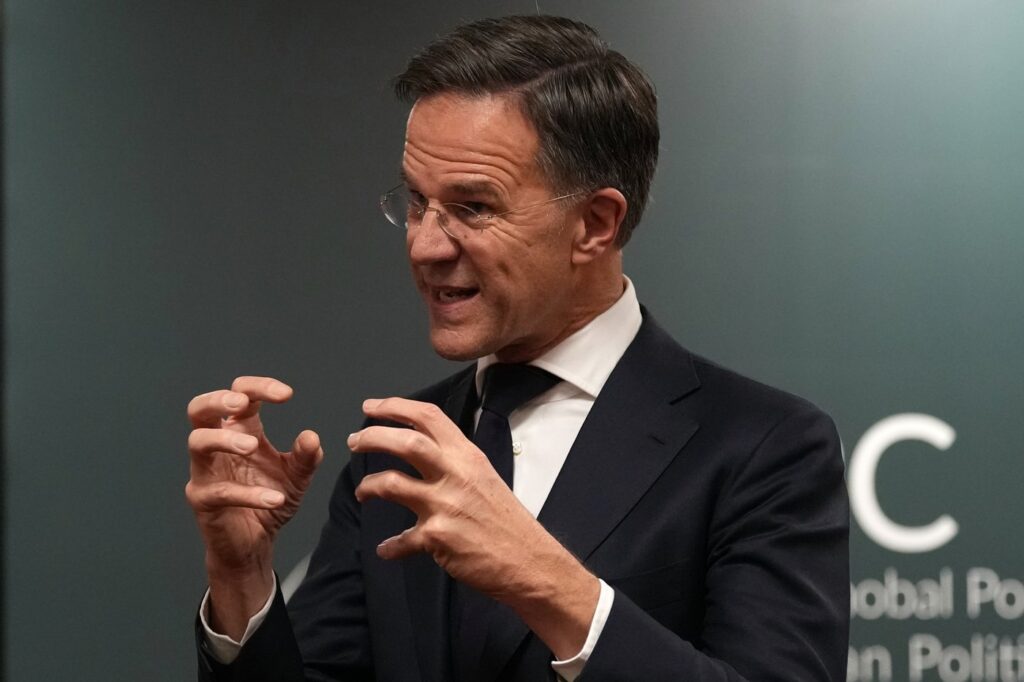
NATO Secretary-General Mark Rutte downplayed the significance of the issue, emphasizing the organization's flexibility regarding summits. He noted, "We have summits when we need them," indicating that the next meeting will be held only when deemed necessary. Historically, NATO summoned leaders every two years until about a decade ago.
In addition to the cancellation of the summit, NATO's ministerial meetings are also being scaled back. For instance, NATO defense ministers, who typically convene in October, did not meet last month, and no meetings are scheduled for October 2027. Furthermore, foreign ministers will have only one meeting planned for next year instead of the usual two, a change described as part of a "reorganization package."
U.S. Defense Secretary Pete Hegseth and Secretary of State Marco Rubio have previously skipped NATO meetings or departed early from discussions upon taking office. Hegseth, in particular, has used these ministerial gatherings to criticize European allies and Canada.
There are concerns regarding Albania's defense spending as well. Though Albania was chosen to host next year's summit in 2025, it was notably excluded from a summit declaration issued in July. Some NATO allies argue that Albania is not allocating sufficient resources to defense. In 2023, the Albanian government is projected to spend 2.15% of its gross domestic product on defense—a figure that falls below NATO's goal for all 32 members to reach 3.5% by 2035 and 1.5% for defense-related infrastructure.
Hosting a NATO summit involves significant financial and political implications. The Netherlands, scheduled to host the 2025 summit in The Hague, had to prepare a year in advance and invest approximately $100 million. NATO officials indicated that a decision regarding Albania's potential hosting needed to be made by October to allow sufficient organization time for a summit in 2024.
Turkish President Recep Tayyip Erdogan, who recently hosted the annual summit in Ankara, undertook substantial preparations, including refurbishing a military airport for dignitaries and mobilizing thousands of security personnel, effectively shutting down parts of the capital. Rutte noted the complexities and financial demands involved, stating, "There’s always a lot of security involved," and reaffirmed that organizing such an event is necessary, saying, "It is."
Political dynamics are crucial during these summit meetings; they often become spectacles that can distract from the main agenda. For instance, during this year's summit, Donald Trump reignited discussions about Greenland and voiced demands for "loyalty," placing NATO in a delicate position concerning its foundational defense agreements.
Experts suggest that the diminishing need for frequent summits might reflect a broader consensus within NATO that adequate progress has already been made, with new spending goals and military capability targets established during recent discussions. David Cattler, a Senior Fellow at the Center for European Policy Analysis, posits that a gathering of all 32 leaders may not be warranted unless significant new challenges arise, suggesting that a hiatus of two to three years between meetings could be feasible.
In emergencies, NATO has proven capable of adapting to needs, having successfully conducted its first virtual summit in February 2022, following Russia's full-scale invasion of Ukraine.