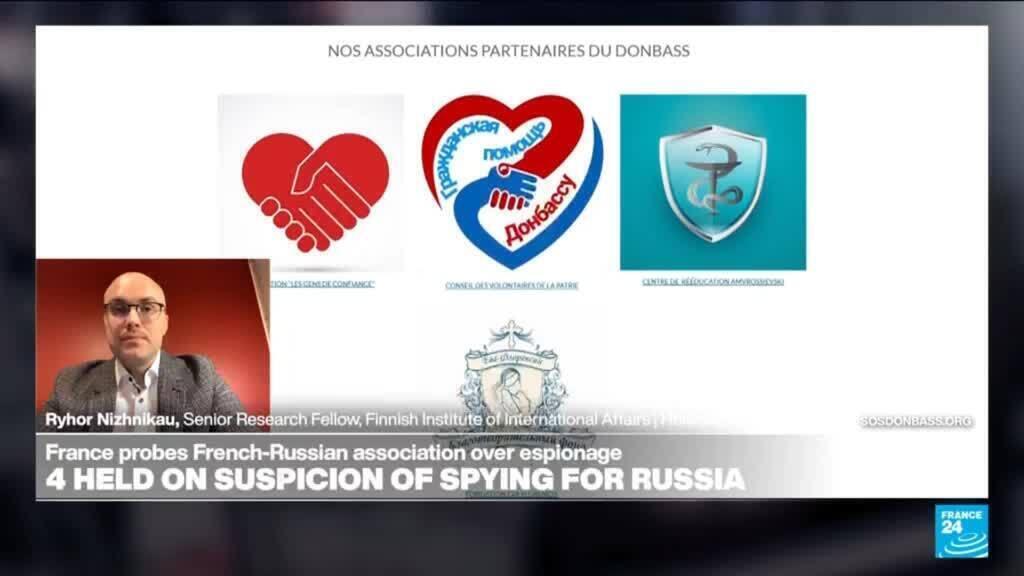
French authorities have detained members of a pro-Russia support group, SOS Donbass, who are accused of engaging in intelligence-gathering activities on behalf of a foreign power. The group was established in France in 2022 and has since been under scrutiny for its connections and activities related to pro-Russian sentiments amidst ongoing geopolitical tensions.
The founder of SOS Donbass, a dual French-Russian national, was among four individuals taken into custody during the operation conducted by French law enforcement. The arrests come at a time when France is increasingly vigilant regarding any groups or individuals suspected of acting in the interest of foreign powers, particularly in the context of the current conflict in Ukraine and the broader implications for European security.
French intelligence agencies are particularly concerned about the activities of organizations that promote foreign interests that may compromise France’s national security. The SOS Donbass group has been involved in organizing events and rallies in support of Russian positions regarding the situation in Ukraine, which many view as a potential threat to France's democratic values and territorial integrity.
Discussions surrounding the situation have drawn attention to the role of diaspora communities in influencing public opinion about international conflicts. The presence of pro-Russian groups in France highlights the complexities of balancing free speech with national security concerns, especially in a political landscape charged with intense ideological divides.
Ryhor Nizhnikau, Senior Research Fellow at the Finnish Institute of International Affairs, has weighed in on the matter, discussing the geopolitical implications of foreign influence operations in Europe. Nizhnikau emphasized that the activities of groups like SOS Donbass reflect a broader trend of foreign interference that can destabilize countries and affect public sentiment regarding international relations.
The French authorities’ actions serve as a reminder of the ongoing struggles that many European nations face in countering disinformation and the potential for foreign manipulation of political discourse. As countries navigate these complex issues, the need for robust policies to protect national interests while respecting civil liberties remains a critical point of discussion.
In conclusion, the detainment of members of the SOS Donbass group raises important questions about the intersection of foreign interests and domestic security. As investigations proceed, the implications for France's approach to managing foreign influence will be closely monitored both within the country and by other nations observing France's handling of geopolitical tensions.