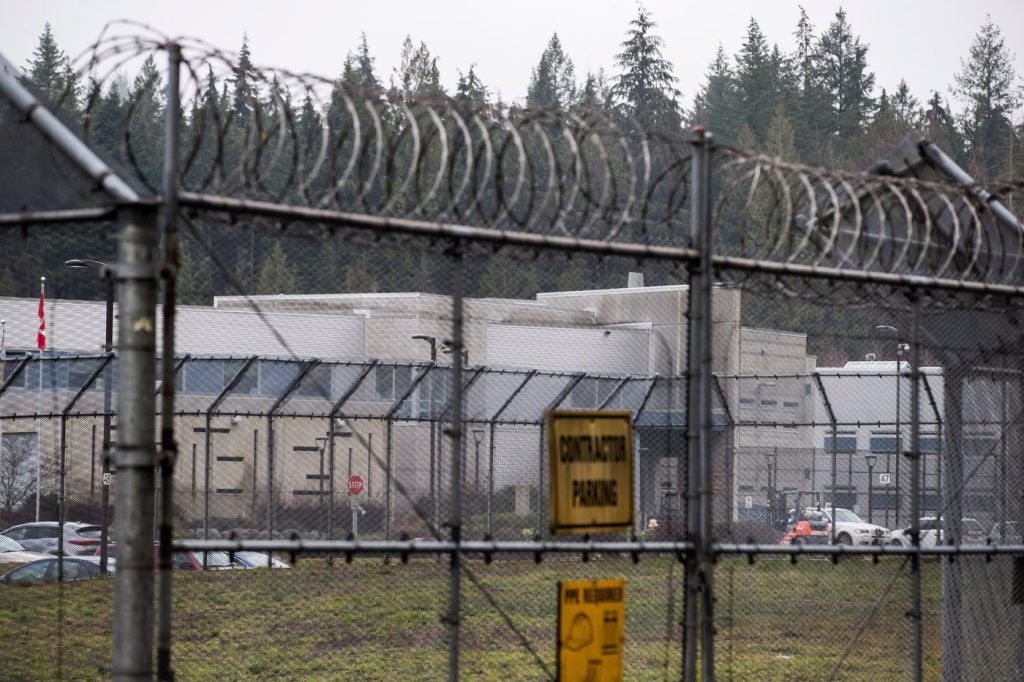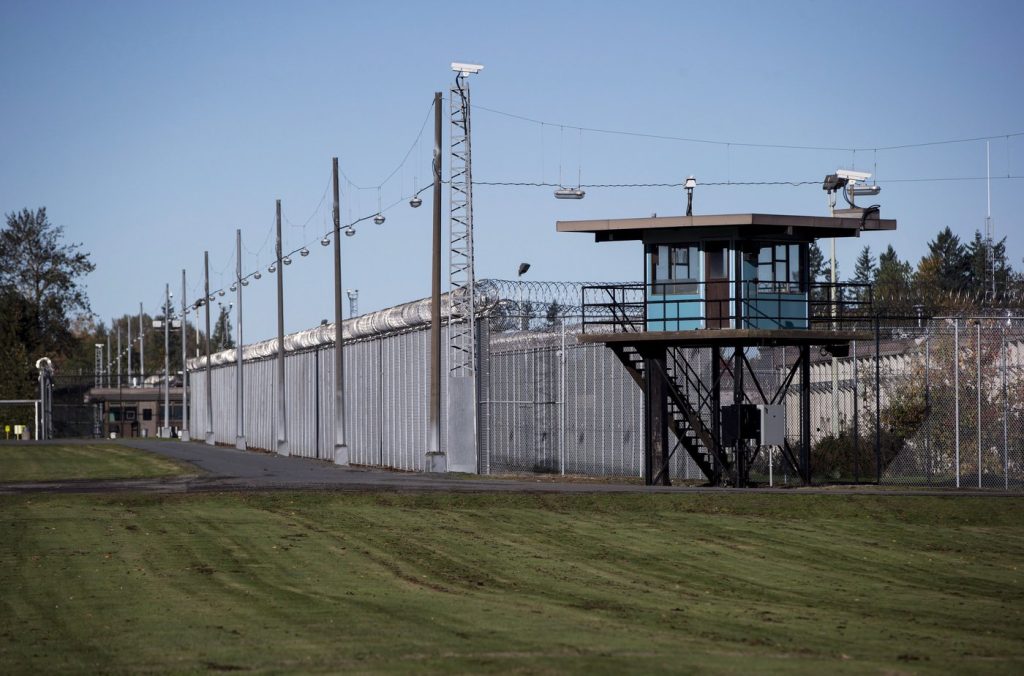
VANCOUVER A recently released report from Statistics Canada indicates a staggering disparity in incarceration rates between Indigenous and non-Indigenous adults in six provinces. According to the findings, Indigenous adults are incarcerated at a rate ten times higher than their non-Indigenous counterparts. Justice advocates have described this as a significant barrier to reconciliation.
The report utilizes a new measure known as the overrepresentation index, which specifically assesses the experiences of First Nations, Inuit, and Métis individuals in British Columbia, Prince Edward Island, Nova Scotia, Ontario, Saskatchewan, and Alberta during the 2023/2024 period. This index highlights systemic injustices that have persisted over centuries since colonization.
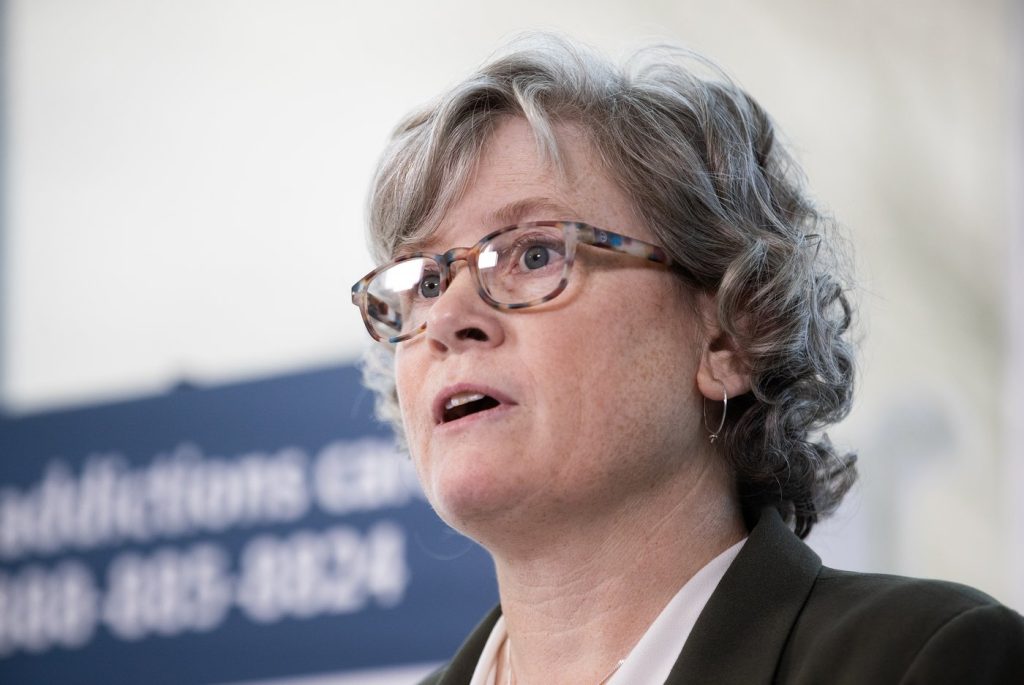
Kory Wilson, chair of the BC First Nations Justice Council, commented on the report, stating, “The numbers in this report are staggering, but not surprising. Indigenous people are not inherently more criminal — we are more criminalized.” Notably, Indigenous individuals accounted for 33.2 percent of the custodial population in these provinces, despite constituting only 4.3 percent of the overall adult demographic.
Statistics from the report reveal that Indigenous adults were incarcerated at a rate of 89 per 10,000 population, contrasted with eight per 10,000 among non-Indigenous adults. Alarmingly, 2.6 percent of the Indigenous adult population experienced incarceration at some point during the 2023/2024 year, with this figure rising to 7.3 percent among Indigenous men aged 35 to 44. Furthermore, the report indicates that overrepresentation of Indigenous individuals in custody has consistently increased year over year from 2019 to 2024, with women facing higher rates than men.
Cree lawyer Eleanore Sunchild, based in Saskatoon, emphasized the ongoing strain between Indigenous Peoples and the justice system since colonization. She pointed to other injustices, such as the trauma stemming from residential schools and the ’60s scoop, as contributing factors to high incarceration rates. “There’s been such a push toward incarceration of Indigenous people, and in doing that, I don’t think that the governments realized that it was colonization that created this problem,” she noted.
Sunchild advocates for focusing on healing generational trauma among Indigenous communities rather than punitive measures. She asserted that meaningful support and resource allocation are essential for real change, emphasizing that rehabilitation should be prioritized to facilitate reconciliation.
Statistics Canada describes the overrepresentation of Indigenous individuals as a "complex and interconnected" issue, affirmatively linked to colonialism, socioeconomic marginalization, intergenerational trauma, and systemic discrimination. The agency articulates that this overrepresentation in Canada's correctional systems represents a long-standing and deeply rooted concern.
Darryl Shackelly, CEO of the Native Court Work and Counselling Association of British Columbia, echoed similar sentiments, stating that he has dedicated the last thirty years to empowering Indigenous individuals to understand the justice system. He noted the consistency of these troubling statistics throughout his career, highlighting various disadvantages Indigenous people face, such as racial profiling during arrests and harsher sentences from judges.
Shackelly acknowledged some progress, including the adoption of Gladue reports, which provide context about Indigenous offenders. However, he pointed out that culturally safe services remain underfunded and that significant challenges persist.
The report further identifies disparities within the Black population, which is incarcerated at a rate three times that of White individuals in Nova Scotia, Ontario, Alberta, and British Columbia. While Black individuals represent approximately 13 percent of the custodial population, they constitute only 3.3 percent of the general adult demographic in these provinces. Statistics Canada attributes their overrepresentation to social and economic challenges rooted in the historical and ongoing consequences of colonial laws, policies, and practices.
In conclusion, Wilson highlighted the ongoing efforts of the BC First Nations Justice Council to mitigate the overincarceration of Indigenous individuals, emphasizing the necessity for the legal system to embrace alternatives to incarceration. “Diversion significantly reduces the rate of repeat offending and leads to safer communities for everyone,” she asserted. The Council is currently piloting diversion programs in the Lheidli Tenneh territory in Prince George, BC, and is working towards 15 justice centers that provide access to culturally safe legal aid, support from Elders, and connections to other essential services.